When Do Babies Start Teething? Timing, Signs and Soothing Tips
Most babies get their first tooth between 6 and 10 months; here is what to expect, how to soothe sore gums and when to get help.
Edited and fact-checked by our editorial team.
When do babies start teething? Most babies get their first tooth somewhere between 6 and 10 months, although some start earlier and others not until after their first birthday.
That wide range is normal, which is why comparing your baby with a cousin or a friend’s child is rarely helpful. Here is what New Zealand and UK health services say about the usual timing, the signs you might notice, ways to ease sore gums, and when a grizzly baby needs a health professional rather than a teething ring.
When do most babies get their first tooth?
KidsHealth, the New Zealand children’s health site, says baby teeth usually break through the gums between 6 and 10 months. Healthify gives the same range and adds that some children are earlier or later. The NHS describes the spread more widely: most babies start at around 6 months, some start before 4 months, others after 12 months, and a few are born with a tooth already showing.
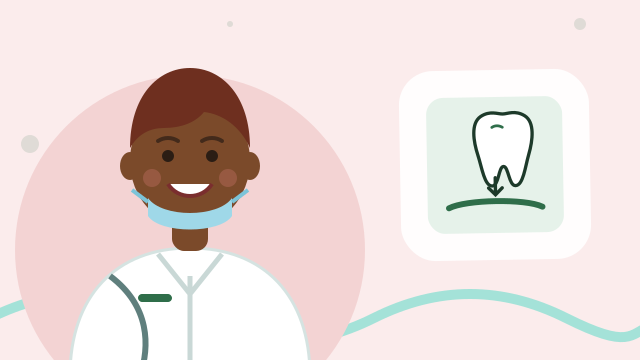
KidsHealth also points out that most babies are born with all 20 baby teeth already formed and hidden under the gums. Teething is simply the process of those teeth pushing through. A baby who was born with a visible tooth may take longer to get the rest.
Which teeth come through first?
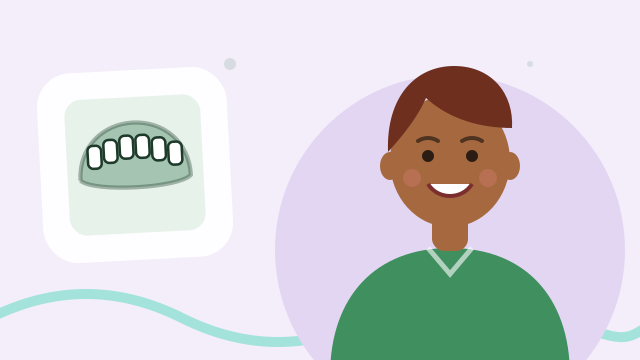
The lower front teeth usually appear first, followed by the upper front teeth. After that, the rest arrive over roughly the next two years. The NHS gives this typical order:
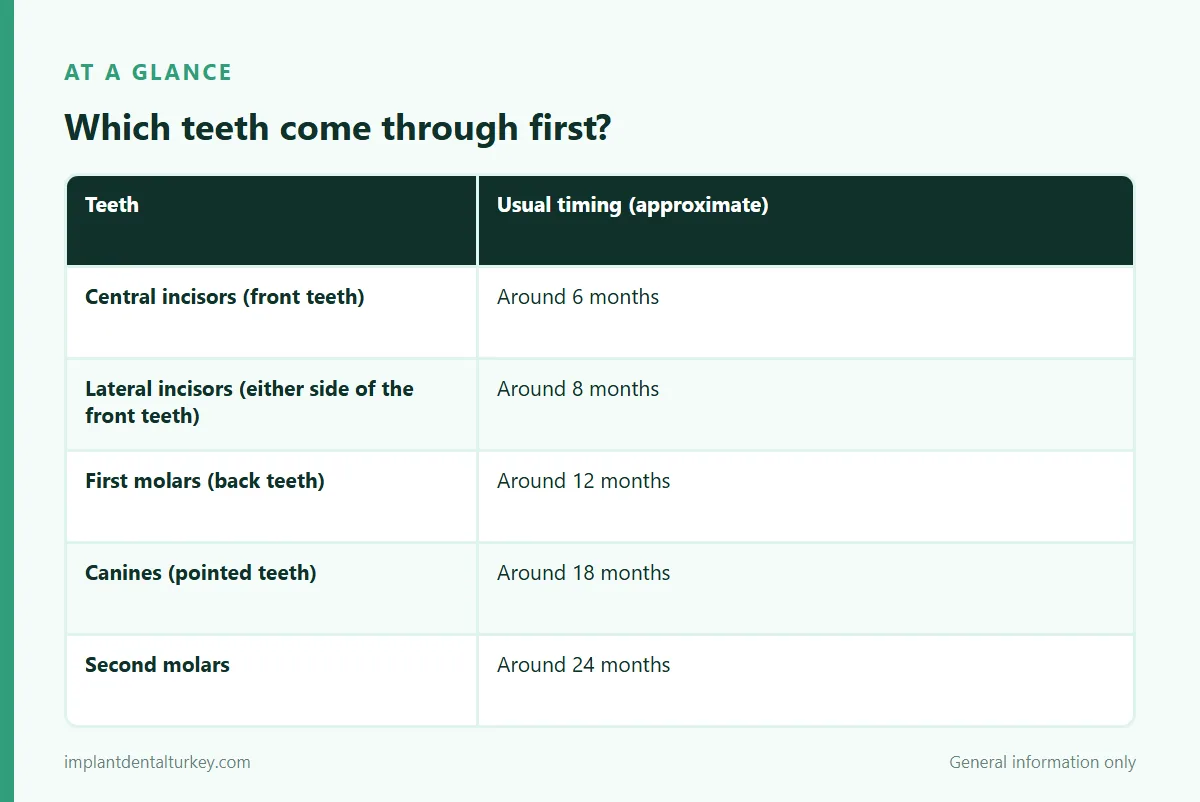
| Teeth | Usual timing (approximate) |
|---|---|
| Central incisors (front teeth) | Around 6 months |
| Lateral incisors (either side of the front teeth) | Around 8 months |
| First molars (back teeth) | Around 12 months |
| Canines (pointed teeth) | Around 18 months |
| Second molars | Around 24 months |
Bottom teeth often come through before the matching top ones, and most children have all their milk teeth by the time they are 2 to 3 years old. Treat these ages as a rough guide rather than a checklist.
Signs your baby may be teething
Some babies breeze through teething with barely a fuss; others find it uncomfortable for a few days each time a tooth moves. Healthify describes the gum over an erupting tooth as looking red, swollen, tight and shiny. Other signs listed by Healthify, KidsHealth and the NHS include:
- more dribbling than usual
- chewing or gnawing on fingers, toys and anything else within reach
- a flushed cheek or a rash on the face
- rubbing an ear
- being grizzly, harder to settle or sleeping poorly
- eating less than usual
- a slightly raised temperature (the NHS describes this as below 38°C)
What teething does not cause
Teething should not make your child very unwell. Healthify is clear that diarrhoea or a high fever should not be written off as a normal part of teething, and the NHS notes there is no evidence that teething causes diarrhoea. KidsHealth puts it simply: teething itself does not make babies sick.
This matters because it is easy to blame every bad night on a new tooth. If your baby seems genuinely unwell, look for another cause with help from a health professional.
How can you soothe sore gums?
Healthify suggests a few simple things that many families find helpful:
- Something cold to chew. A clean flannel that has been dampened and frozen for a few hours, or a silicone teething ring chilled in the fridge (not the freezer). If your baby is already on solids, a chilled piece of banana is another option, but watch for choking.
- Gentle pressure. Massage or press the gums with a clean finger or soft cloth, and stop if your baby is clearly upset.
- Skin care. Wipe away dribble with a warm, clean flannel and use a protective ointment on the chin. Regular nappy changes and a barrier cream can help, as some babies get nappy rash while teething.
Healthify also notes that liquid paracetamol can be used for pain, following the dose on the pack for your baby’s weight. If you are unsure whether it is suitable or how much to give, ask your pharmacist or doctor before using it.
Things to avoid
- Amber teething necklaces. Healthify says there is no evidence they relieve pain, and they carry a serious choking and strangulation risk.
- Teething gels. There is little evidence they reduce teething pain, possibly because saliva and the tongue remove most of the gel quickly.
- Sweet dips and rusks. Do not dip teething rings in honey or syrup, and sugary teething biscuits are not recommended because of the risk to new teeth.
When should you see a doctor?
Healthify advises taking your child to a doctor if they have a high temperature, diarrhoea, sore ears, are not drinking, or seem unwell rather than just grizzly. KidsHealth adds a lot of pain, bleeding or pus in the gums, facial swelling, or a fever that will not settle. You can phone Healthline free on 0800 611 116 for advice at any time.
Looking after those first teeth
KidsHealth recommends wiping your baby’s gums with a clean, damp facecloth before teeth appear. Once the first tooth shows, brush twice a day with a small, soft brush and a smear (half a pea) of regular-strength fluoride toothpaste, about 1000 ppm, with one of those brushes at bedtime. Avoid putting your baby to bed with a bottle of milk or juice, as this causes tooth decay.
In New Zealand, oral health care is free for children until they turn 18. KidsHealth suggests enrolling your baby with the free community oral health service as early as possible by calling 0800 TALK TEETH (0800 825 583). For more on looking after young children’s teeth, see our guide to children’s dental care in New Zealand.
Frequently asked questions
Can babies start teething at 3 months?
Yes, some do. The NHS says some babies start before 4 months, while others begin after 12 months. Early or late teething on its own is usually just normal variation.
How long does teething last?
Each tooth may cause discomfort for a few days, and the whole set of baby teeth usually arrives by 2 to 3 years of age.
Is my baby’s fever caused by teething?
Teething can cause a slightly raised temperature, but not a high fever. A high or persistent fever needs checking by a doctor or a call to Healthline.
My baby is 12 months old with no teeth. Should I worry?
Some babies do not get their first tooth until after their first birthday. If you are concerned, mention it at your baby’s oral health check or to your doctor.
Sources
- KidsHealth NZ, Caring for your baby’s teeth
- Healthify, Teething
- NHS, Baby teething symptoms
This article is general information and does not replace advice from your own dentist.