Composite Bonding NZ – Procedure Guide

The following table summarises the key steps in the composite bonding procedure:
Composite Bonding NZ – Procedure Guide
Composite bonding has emerged as a highly sought-after cosmetic dental solution in New Zealand, offering a minimally invasive yet remarkably effective way to enhance the aesthetics of a smile. This procedure involves the artistic application of a tooth-coloured resin material to correct various dental imperfections, providing a natural-looking restoration that blends seamlessly with existing teeth. For individuals seeking to address issues such as chipped teeth, gaps, discolouration, or minor misalignments without extensive dental work, composite bonding presents an excellent, often more conservative alternative. Its popularity stems from its ability to deliver significant aesthetic improvements in a single visit, making it a convenient option for many New Zealanders looking to revitalise their smile.
What is Composite Bonding?
Composite bonding utilises a dental composite resin, a durable plastic material mixed with fine glass particles, meticulously matched to the natural shade of the patient’s teeth. This versatile material is then skillfully applied to the tooth surface, where it is sculpted and contoured by the dentist to achieve the desired shape and appearance. Once the resin is in place, a high-intensity light is used to harden or “cure” the material, bonding it firmly to the tooth. The final steps involve further shaping, trimming, and polishing to ensure a smooth finish and a natural lustre that mimics healthy tooth enamel. The entire process is a testament to both scientific advancement in dental materials and the artistic precision required of the dental professional, ultimately resulting in a smile that is both beautiful and functional.
Benefits of Composite Bonding
The widespread adoption of composite bonding in New Zealand’s dental clinics is largely due to its compelling array of benefits. One of its most significant advantages is its conservative nature; unlike veneers or crowns, composite bonding typically requires minimal to no removal of healthy tooth structure, preserving the integrity of the natural tooth. This makes it an ideal option for patients who prefer less invasive treatments. The procedure is also remarkably quick, often completed in a single appointment, which is a considerable convenience for busy individuals. Furthermore, the aesthetic outcome is highly pleasing; the composite resin can be precisely matched to the natural tooth shade, creating an undetectable restoration that enhances the smile without appearing artificial. It is also often a more cost-effective solution compared to other cosmetic procedures, making smile enhancements more accessible. Lastly, composite bonding is reversible to some extent, as the original tooth structure remains largely intact, offering flexibility for future dental decisions.
Who is a Candidate for Composite Bonding?
Composite bonding is a versatile treatment suitable for a broad range of minor cosmetic and structural dental issues. Ideal candidates are typically individuals with:
- **Chipped or cracked teeth:** Bonding can effectively restore the original shape and appearance of teeth damaged by minor chips or cracks.
- **Gaps between teeth:** Small to moderate gaps can be seamlessly closed using composite resin, improving smile uniformity.
- **Discoloured teeth:** While not a substitute for professional whitening, bonding can cover stubborn stains that do not respond to bleaching, particularly for intrinsic discolouration.
- **Uneven tooth length or shape:** The resin can be used to lengthen short teeth or reshape irregularly formed teeth for a more harmonious smile.
- **Exposed tooth roots:** Bonding can be applied to cover receding gums, protecting sensitive tooth roots and improving aesthetics.
- **Minor alignment issues:** For very slight misalignments, bonding can create the illusion of straighter teeth without orthodontics.
A thorough consultation with a dental professional is crucial to determine if composite bonding is the most appropriate treatment option for an individual’s specific needs and desired outcomes.
The Composite Bonding Procedure: A Step-by-Step Guide (Composite Bonding NZ)
The process of composite bonding is a meticulous one, requiring precision and an artistic eye from the dentist. Understanding each stage can help patients feel more comfortable and informed about their treatment journey.
Initial Consultation and Assessment
The first step involves a comprehensive evaluation of the patient’s oral health. The dentist will examine the teeth, discuss the patient’s aesthetic goals, and determine if composite bonding is the most suitable solution. This stage may include taking X-rays and photographs to assess the overall condition of the teeth and plan the treatment effectively. Shade matching is also critical during this phase, where the dentist selects the composite resin colour that most closely matches the natural tooth enamel, ensuring a seamless and invisible restoration.
Tooth Preparation and Shade Matching
In most cases, very little tooth preparation is needed. The dentist may gently etch the tooth surface with a mild acidic solution. This microscopic roughening creates a more porous surface, which helps the bonding agent adhere more securely to the enamel. Unlike procedures for crowns or veneers, healthy tooth structure is preserved as much as possible, embodying the minimally invasive philosophy of composite bonding.
The Bonding Process: Resin Application and Curing
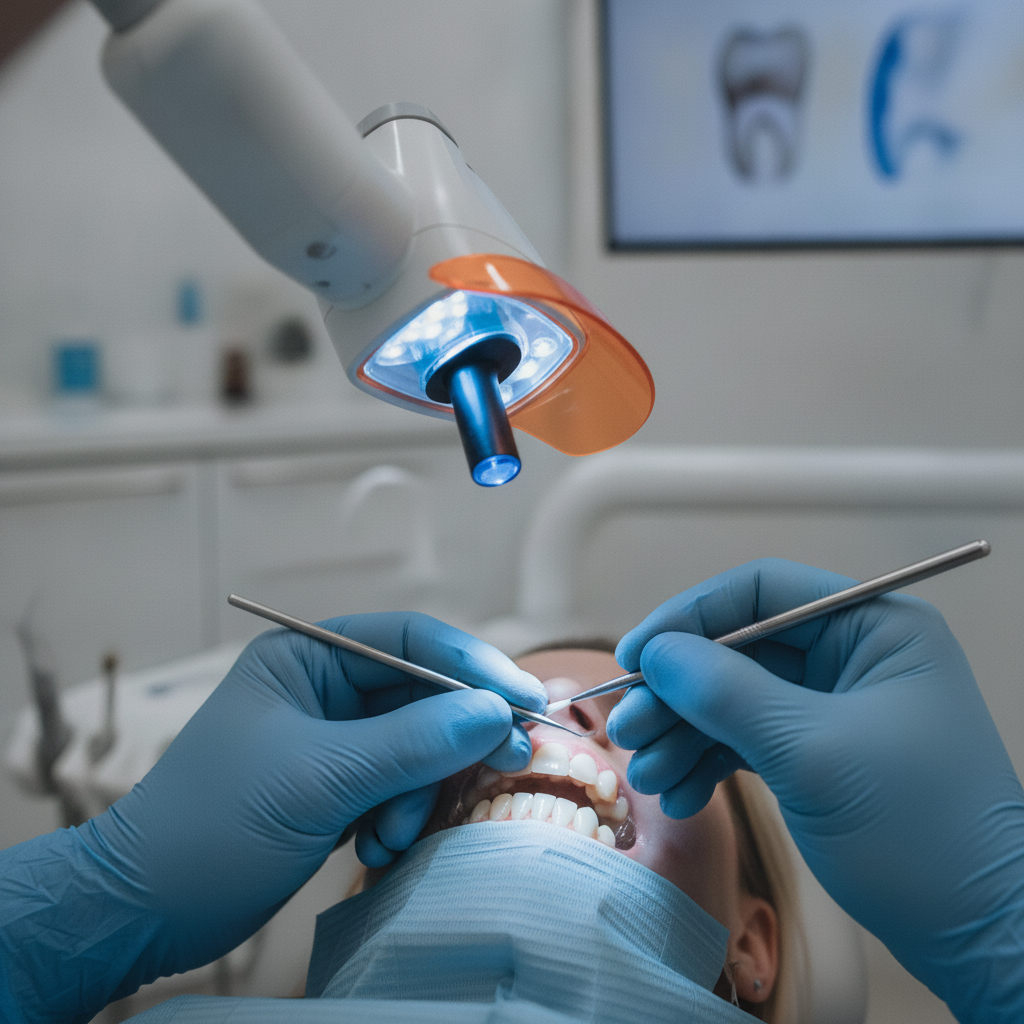
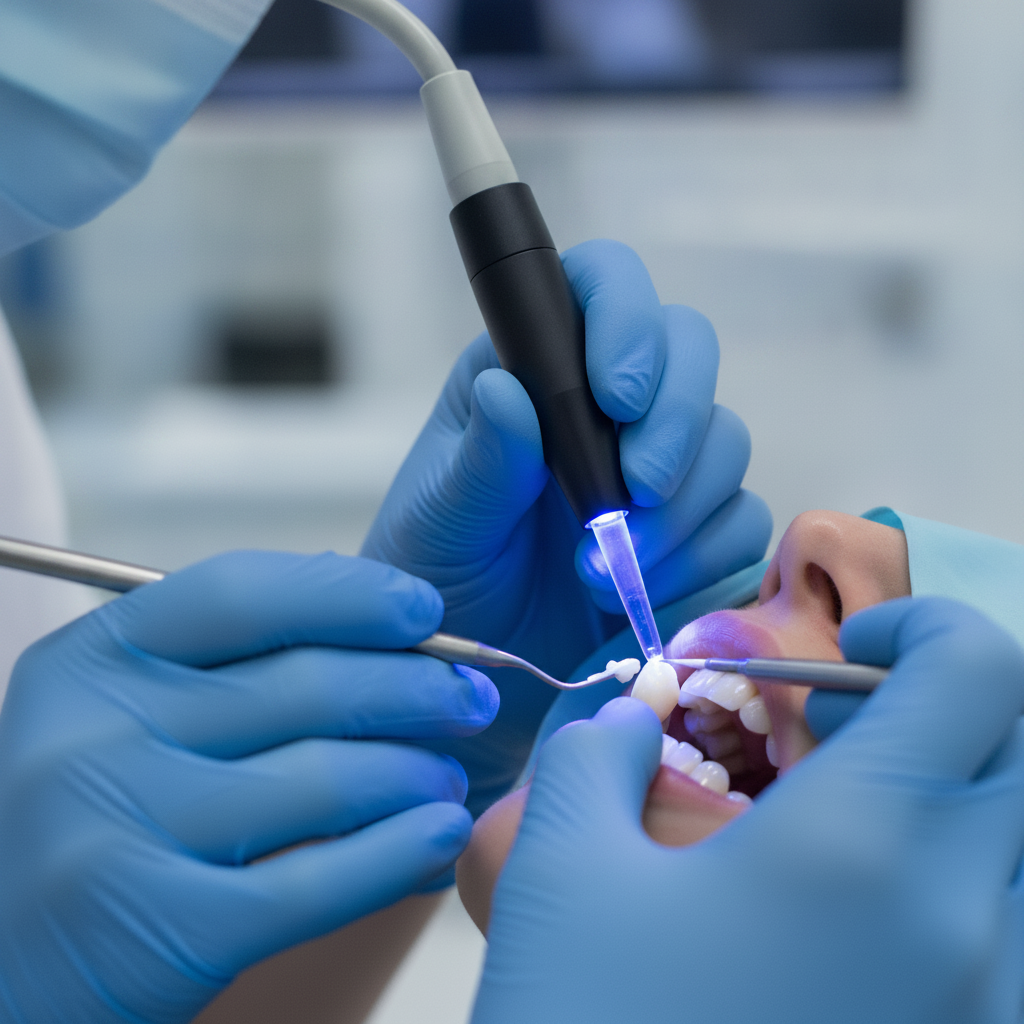
After preparation, a conditioning liquid or bonding agent is applied to the etched tooth surface. This liquid helps to create a strong adhesive layer between the natural tooth and the composite resin. The tooth-coloured composite resin, which has been selected to match the patient’s natural tooth shade, is then applied in layers. The dentist carefully sculpts and moulds the resin to achieve the desired shape and contour, effectively correcting the aesthetic imperfection. Each layer of resin is then hardened or “cured” using a high-intensity light, typically a blue LED light, which causes the material to polymerise and bond firmly to the tooth structure. This layering and curing process is repeated until the desired shape and bulk are achieved.
Shaping, Polishing, and Final Touches
Once all the resin layers are applied and cured, the dentist meticulously shapes and trims the bonded material. Using various dental instruments, they ensure the bonded area is perfectly integrated with the natural tooth, smooth to the touch, and harmonious with the patient’s bite. The final stage involves extensive polishing. This step is crucial for achieving a natural, lustrous finish that reflects light similarly to natural tooth enamel, ensuring the bonded tooth blends imperceptibly with the surrounding teeth. The entire procedure, from preparation to final polish, is often completed within one to two hours per tooth, depending on the complexity.
| Step | Description | Purpose |
|---|---|---|
| 1. Consultation & Assessment | Oral examination, X-rays, discussion of goals, shade matching. | To plan treatment, assess suitability, and select resin colour. |
| 2. Tooth Preparation | Gentle etching of tooth surface (minimal or no enamel removal). | To create a porous surface for strong bond adhesion. |
| 3. Bonding Agent Application | Application of a conditioning liquid/adhesive to the tooth. | To create a strong link between tooth and composite resin. |
| 4. Composite Resin Application | Layer-by-layer application of tooth-coloured resin, sculpted by dentist. | To correct imperfections and achieve desired shape/contour. |
| 5. Curing | Hardening of each resin layer with a high-intensity light. | To solidify the composite resin and bond it to the tooth. |
| 6. Shaping & Polishing | Trimming, shaping, and extensive polishing of the bonded area. | To ensure smooth finish, natural lustre, and proper bite. |
Caring for Your Bonded Teeth
Proper care and maintenance are essential to maximise the lifespan and aesthetic appeal of your composite bondings. Immediately after the procedure, it’s advisable to avoid consuming highly pigmented foods and beverages like coffee, tea, red wine, and berries for at least 24-48 hours, as the resin can be more susceptible to staining during this initial period. Long-term care involves maintaining excellent oral hygiene, including brushing twice daily with a non-abrasive toothpaste and flossing once a day. Regular dental check-ups and professional cleanings are also vital to monitor the condition of the bonding and address any potential issues. Patients should also avoid habits that can damage the bonding, such as biting on hard objects, chewing ice, or using their teeth to open packages, as these can chip or crack the composite material.
Composite Bonding vs. Other Cosmetic Treatments
While composite bonding offers significant advantages, it’s important to understand how it compares to other popular cosmetic dental treatments like veneers. Veneers, typically made of porcelain, are thin shells custom-made to cover the entire front surface of a tooth. They are renowned for their exceptional durability and stain resistance, often lasting 10-15 years or more. However, veneer placement is generally more invasive, requiring significant enamel removal, and the procedure is irreversible. Furthermore, veneers are usually more expensive and require multiple appointments for fabrication and fitting.
Composite bonding, on the other hand, is less invasive and more cost-effective. It can be completed in a single visit and allows for easier repairs if chipped or damaged. However, composite resin is generally not as durable as porcelain and may be more prone to staining over time, typically lasting 5-7 years before needing touch-ups or replacement. The choice between composite bonding and veneers often comes down to the extent of the aesthetic concerns, budget, desired longevity, and the patient’s willingness for tooth preparation. For minor corrections and a conservative approach, bonding is often preferred. For more extensive or long-lasting aesthetic changes, veneers might be recommended. For a deeper dive into veneers, consider exploring information on veneers in NZ procedure and results.
Longevity and Maintenance
The lifespan of composite bonding largely depends on several factors, including the location of the bonding, the patient’s oral habits, and the quality of their oral hygiene. Bondings on front teeth that are not subjected to heavy biting forces tend to last longer. With proper care, composite bondings can typically last anywhere from 5 to 10 years. Over time, the resin may chip, wear down, or discolour. When this happens, the bonding can often be repaired or replaced, extending its aesthetic and functional benefits. Regular dental visits allow the dentist to assess the condition of the bonding and recommend timely maintenance or repair, ensuring your smile remains bright and healthy.
Cost of Composite Bonding in NZ
The cost of composite bonding in New Zealand can vary significantly based on several factors. These include the number of teeth being treated, the complexity of the case (e.g., the extent of damage or gaps), and the specific dental clinic’s fees. Generally, composite bonding is considered a more affordable cosmetic dental option compared to porcelain veneers or crowns. While precise figures fluctuate, patients should expect to discuss pricing details during their initial consultation, where a tailored treatment plan and associated costs will be provided. It’s important to consider the long-term value, including maintenance and potential repairs, when evaluating the overall investment in your smile. Further information on dental bonding can be found on authoritative resources such as Wikipedia’s entry on Dental Bonding.
Composite bonding offers a fantastic opportunity for individuals in New Zealand to achieve a more aesthetically pleasing smile with a conservative and efficient dental procedure. By addressing minor imperfections like chips, gaps, and discolouration, it empowers patients with newfound confidence in their appearance. With its immediate results and natural finish, it’s clear why composite bonding remains a popular choice for smile enhancement.