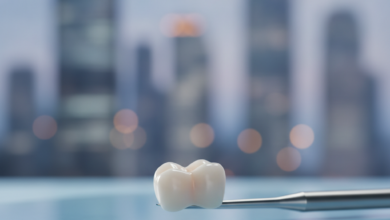
Dental Bridges vs Implants NZ
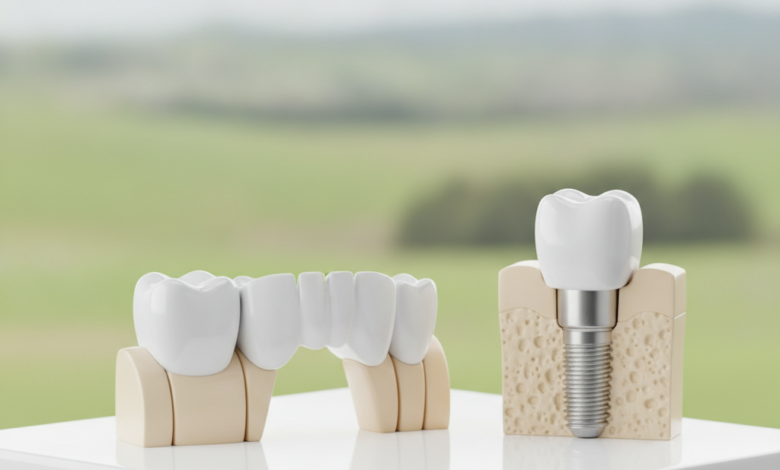
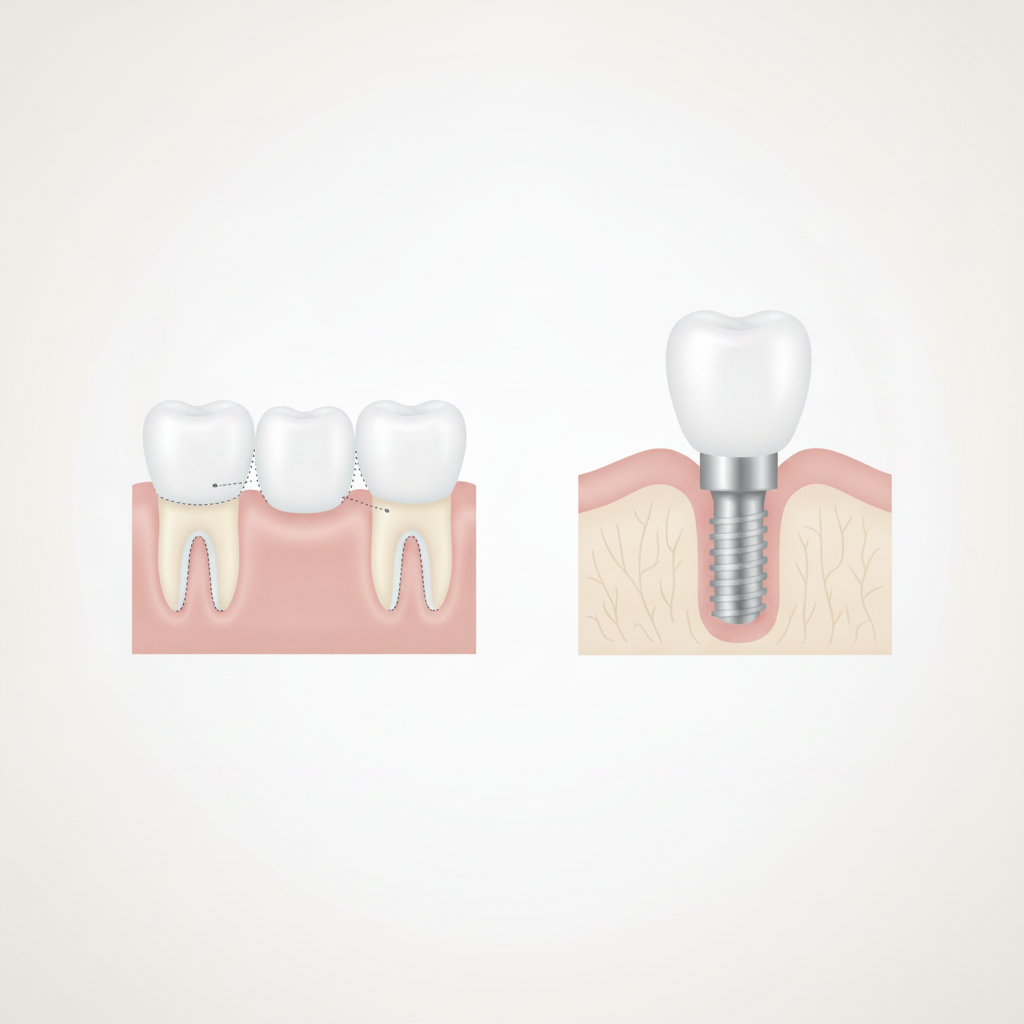
A dental bridge is a fixed dental prosthesis used to “bridge” the gap created by one or more missing teeth. It consists of two or more crowns for the teeth on either side of the gap, known as abutment teeth, and a false tooth or teeth in between, called pontics. These pontics can be made from gold, alloys, porcelain, or a combination of these materials, with porcelain often being chosen for its aesthetic similarity to natural teeth. The bridge is permanently cemented onto the abutment teeth, restoring function and appearance. To learn more about the general concept, you can consult sources like Wikipedia’s explanation of dental bridges.
Dental Bridges vs Implants NZ
Losing a tooth can significantly impact not only your smile but also your overall oral health, speech, and ability to eat comfortably. In New Zealand, as in many parts of the world, individuals seeking to restore their smiles and functionality often find themselves weighing two primary options: dental bridges and dental implants. Both solutions effectively replace missing teeth, but they differ fundamentally in their approach, longevity, cost, and impact on your remaining oral structures. Understanding these distinctions is crucial for making an informed decision that best suits your individual needs and long-term oral health goals. This comprehensive guide will delve into the intricacies of dental bridges and implants, offering a detailed comparison to help you navigate your choices in the NZ context.
Understanding Dental Bridges
What Are Dental Bridges?
The Dental Bridge Procedure and Its Types
The process of getting a traditional dental bridge typically involves two appointments. During the first visit, the dentist prepares the abutment teeth by recontouring them, which involves removing a portion of enamel to make space for the crowns that will be placed over them. Impressions of your teeth are then taken to create a custom bridge, pontic, and crowns. A temporary bridge is fitted to protect the exposed teeth and gums while the permanent bridge is being fabricated in a dental laboratory. At the second visit, the temporary bridge is removed, and the permanent bridge is checked for fit and bite before being cemented into place.
There are several types of dental bridges:
- Traditional Bridges: The most common type, involving crowns on either side of the missing tooth/teeth.
- Cantilever Bridges: Used when there are adjacent teeth on only one side of the missing tooth. This is less common today due to potential for leverage issues.
- Maryland Bonded Bridges (Resin-Bonded Bridges): These use a metal or porcelain framework that is bonded to the back of the adjacent teeth, avoiding the need to prepare them extensively. They are often used for front teeth where biting forces are less.
Pros and Cons of Dental Bridges
Advantages:
- Faster Treatment: The entire process for a bridge can often be completed within a few weeks.
- Less Invasive: Compared to implants, bridge placement does not involve surgery into the jawbone.
- Cost-Effective (Initially): The upfront cost of a dental bridge can sometimes be lower than that of a single implant.
- Aesthetics: Bridges are custom-made to match your natural teeth, providing a seamless look.
Disadvantages:
- Damage to Adjacent Teeth: Abutment teeth must be ground down, even if they are perfectly healthy, making them more susceptible to decay or requiring root canals in the future.
- No Bone Stimulation: Bridges do not stimulate the jawbone where the tooth is missing, which can lead to bone resorption over time and changes in facial structure.
- Shorter Lifespan: Bridges typically last 5 to 15 years, requiring replacement due to wear, decay under crowns, or changes in the abutment teeth.
- Maintenance: Special tools (like floss threaders) are required to clean under the pontic to prevent plaque buildup and gum disease.
Understanding Dental Implants
What Are Dental Implants?
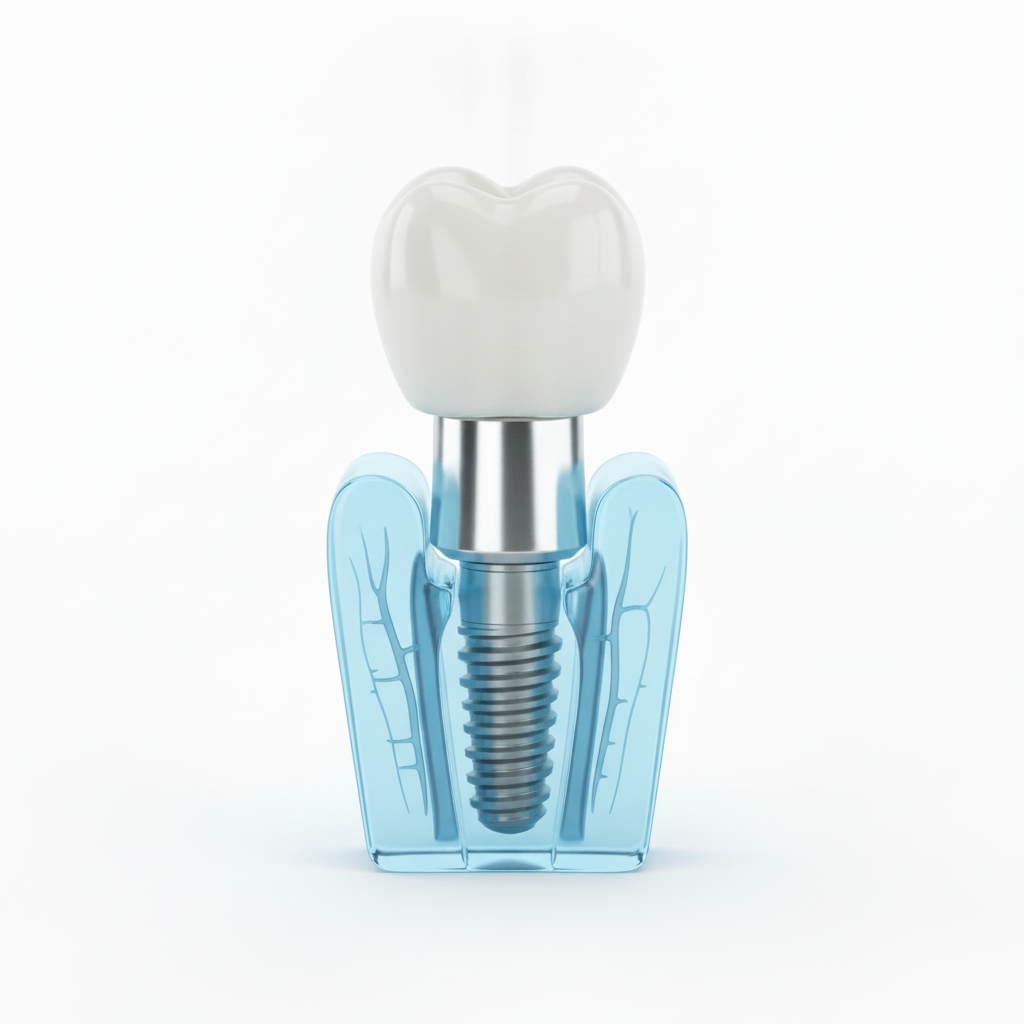
A dental implant is a sophisticated solution for replacing missing teeth, designed to mimic the entire natural tooth structure. It consists of three main parts: a titanium implant post (which acts as the artificial tooth root), an abutment (a connector), and a custom-made crown (the visible tooth portion). The titanium post is surgically placed directly into the jawbone, where it fuses with the bone in a process called osseointegration, providing a stable and durable foundation for the replacement tooth.
The Dental Implant Procedure
The dental implant procedure is typically more involved than a bridge, requiring several stages:
- Initial Consultation and Planning: A thorough examination, including X-rays and sometimes 3D scans, is conducted to assess bone density and determine the ideal implant placement.
- Implant Placement Surgery: The titanium post is surgically inserted into the jawbone. This is usually an outpatient procedure performed under local anaesthesia.
- Osseointegration: A crucial healing period of several months follows, during which the implant post fuses with the jawbone. This creates a strong, stable anchor. You can learn more about the detailed steps of this process at Dental Implant Procedure New Zealand: Step by Step.
- Abutment Placement: Once osseointegration is complete, a small connector post called an abutment is attached to the implant.
- Crown Attachment: After the gums heal around the abutment, a custom-made crown is placed on top, completing the restoration.
Implants can replace single teeth, multiple teeth (using implant-supported bridges), or even a full arch of teeth (with solutions like All-on-4 or All-on-6).
Pros and Cons of Dental Implants
Advantages:
- Longevity: With proper care, dental implants can last a lifetime, making them a very cost-effective long-term solution.
- Preserves Bone Structure: Implants stimulate the jawbone, preventing bone loss that naturally occurs when teeth are missing. This helps maintain facial structure.
- No Impact on Adjacent Teeth: Unlike bridges, implants do not require modification of healthy adjacent teeth.
- Superior Aesthetics and Functionality: Implants look, feel, and function like natural teeth, offering excellent chewing ability and a natural smile.
- Easy Maintenance: Implants can be brushed and flossed just like natural teeth.
Disadvantages:
- Invasive Surgery: Requires a surgical procedure, which carries standard surgical risks (though complications are rare).
- Longer Treatment Time: The entire process, including healing and osseointegration, can take several months.
- Higher Upfront Cost: The initial investment for a dental implant is generally higher than for a dental bridge.
- Suitability: Not everyone is a candidate for implants; sufficient bone density and good general health are required. Bone grafting may be necessary for some patients.
Dental Bridges vs Implants NZ: A Detailed Comparison
Choosing between a dental bridge and an implant requires careful consideration of various factors, particularly in the New Zealand context where treatment approaches and costs can vary. Here’s a comparative overview:
| Feature | Dental Bridge | Dental Implant |
|---|---|---|
| Mechanism | Relies on adjacent natural teeth for support. | Surgically placed in jawbone, mimics natural root. |
| Impact on Adjacent Teeth | Requires grinding down healthy adjacent teeth. | Does not affect adjacent teeth. |
| Bone Health Preservation | Does not stimulate jawbone; bone loss can occur over time. | Stimulates jawbone, preventing bone loss. |
| Longevity | Typically 5-15 years, may require replacement. | Can last a lifetime with proper care. |
| Treatment Time | Usually 2-3 weeks for fabrication and placement. | Several months, including healing and osseointegration. |
| Procedure Type | Non-surgical (tooth preparation, cementation). | Surgical placement of implant post. |
| Aesthetics & Feel | Good aesthetics, but may feel slightly different from natural teeth. | Excellent aesthetics, feels and functions like a natural tooth. |
| Maintenance | Requires special cleaning techniques (e.g., floss threaders). | Maintained like natural teeth (brushing, flossing). |
| Cost (Initial) | Generally lower upfront cost. | Higher initial cost, but better long-term value. |
| Suitability | Broader patient suitability, less reliant on bone density. | Requires adequate bone density and good general health. |
Factors to Consider When Choosing
Key Decision-Making Factors
When deciding between a dental bridge and an implant in NZ, several personal and clinical factors come into play:
- Oral Health: The health of your remaining teeth and gums is paramount. If adjacent teeth are already compromised or heavily restored, a bridge might be less ideal. For implants, sufficient bone density is crucial.
- Overall Health: Certain medical conditions or medications can affect suitability for surgery (implants) or healing.
- Budget: While implants have a higher initial cost, their longevity often makes them a more economical choice over a lifetime. Bridges may seem cheaper initially but incur replacement costs.
- Timeframe: If you need a quick solution, a bridge may be preferable. If you can commit to a longer treatment period for a permanent solution, implants offer superior benefits.
- Aesthetics: Both can look natural, but implants generally offer a more seamless and natural integration with your existing teeth and facial structure, especially in preventing bone loss.
- Bone Density: A critical factor for implants. If bone density is insufficient, bone grafting may be required, adding to time and cost.
Long-Term Outlook and Maintenance
Regardless of your choice, diligent oral hygiene and regular dental check-ups are essential. Bridges require specific cleaning techniques to ensure food particles don’t accumulate beneath the pontic, which could lead to decay in the abutment teeth. Implants, behaving much like natural teeth, require standard brushing and flossing, along with professional cleanings. The long-term success of both procedures heavily relies on patient commitment to oral hygiene.
The Journey to a Restored Smile
Embarking on the journey to replace a missing tooth begins with a thorough consultation with a qualified dental professional in New Zealand. This initial appointment is critical for evaluating your specific situation, discussing your dental history, and understanding your aesthetic and functional goals. Your dentist will conduct a comprehensive examination, including diagnostic imaging, to determine the most suitable treatment plan. They will discuss the pros and cons of both bridges and implants in the context of your unique oral health, helping you weigh the options and decide which path aligns best with your needs, expectations, and budget.
Whether you opt for a dental bridge or a dental implant, the goal remains the same: to restore your smile, improve your oral health, and enhance your quality of life. Making an informed decision, guided by expert advice, will ensure a successful and satisfying outcome.