Sedation Dentistry in New Zealand: Options for Nervous Patients
Sedation Dentistry in New Zealand: Options for Nervous Patients and how this approach is transforming the dental experience for those who suffer from anxiety or phobia. For millions of people, the thought of visiting a dentist can trigger feelings of fear, stress, and panic. This dental anxiety is a significant barrier to receiving essential oral healthcare, often leading to the neglect of minor issues until they become major, painful, and costly problems. Fortunately, modern dentistry offers a powerful solution to bridge this gap. Sedation techniques are designed to provide a calm, relaxed, and comfortable experience, allowing even the most apprehensive individuals to undergo procedures without distress. From simple cleanings to complex surgical work, sedation ensures that fear no longer has to dictate the health of your smile. This comprehensive guide will explore the various options available across New Zealand, detailing the types of sedation, who can benefit, and what to expect from the process, empowering you to make informed decisions about your dental care.
What is Sedation Dentistry?
Sedation dentistry utilises medication to help patients relax during dental procedures. It is often referred to as “sleep dentistry,” although this term can be slightly misleading. In most cases, patients are not actually asleep. Instead, they are in a state of deep relaxation and comfort. The primary goal is not to induce unconsciousness but to eliminate the anxiety and fear associated with dental work. Patients typically remain conscious enough to respond to verbal cues from the dentist, ensuring safety and cooperation, but they often have little to no memory of the procedure itself afterward.
The medications used can range from mild anxiolytics that simply take the edge off, to more potent sedatives that induce a deeper state of calm. The level of sedation is carefully tailored to the individual patient’s needs, considering their level of anxiety, the complexity of the dental procedure, and their overall medical history. A qualified dental professional will conduct a thorough assessment before recommending a specific type of sedation. This ensures the method chosen is not only effective but also completely safe for the patient. Unlike general anaesthesia, which renders a patient completely unconscious and often requires a hospital setting, most forms of sedation dentistry can be safely administered in a certified dental clinic. This makes it an accessible and highly effective tool for managing dental phobia and ensuring everyone can access the care they need.
Understanding the Levels of Sedation
The spectrum of sedation used in dentistry is carefully controlled to match the patient’s needs. These levels are defined by the degree of consciousness the patient maintains during the procedure. Understanding these distinctions is key to knowing what to expect and which option might be right for you. A practitioner will always discuss these levels during a consultation to determine the most appropriate and safest course of action.
Minimal Sedation (Anxiolysis)
This is the lightest form of sedation. Under minimal sedation, you are fully awake, responsive, and able to breathe on your own without any assistance. While you remain conscious and aware of your surroundings, the medication significantly reduces anxiety, making you feel calm and at ease. You can still hear the dentist, understand instructions, and respond to questions. Nitrous oxide, commonly known as “laughing gas,” is a classic example of a minimal sedative. The effects wear off very quickly, which is a major advantage as it often allows patients to drive themselves home after the appointment. This level is ideal for individuals with mild anxiety or those undergoing shorter, less invasive procedures.
Moderate Sedation (Conscious Sedation)
At this level, you enter a deeper state of relaxation. While technically conscious, you will feel much more drowsy and may drift in and out of a light sleep. You can still be easily awakened to respond to verbal commands or a light touch. Your speech may become slurred, and a common effect of moderate sedation is amnesia regarding the procedure. Many patients report having no memory of the dental work being performed, which is a primary benefit for those with significant dental phobia. Oral sedatives and lower-dose IV sedation are typically used to achieve this state. Due to the lingering effects of the medication, you will be required to have an escort drive you home after your appointment.
Deep Sedation
Deep sedation brings you to the edge of consciousness. You will be asleep and will not respond to commands easily unless there is repeated or strong stimulation. Your breathing may be affected, so your vital signs, including heart rate, blood pressure, and oxygen levels, are monitored continuously throughout the entire procedure. While you are not completely unconscious as with general anaesthesia, you will have no awareness or memory of the treatment. This level is reserved for patients with severe phobia, those undergoing very long or complex surgical procedures, or individuals who cannot cooperate due to physical or cognitive conditions. It requires specialised training and monitoring equipment.
Types of Sedation Dentistry in New Zealand
Clinics across New Zealand offer several methods for administering sedation, each with unique characteristics, benefits, and applications. The choice depends on the patient’s level of fear, the duration and complexity of the procedure, and their medical background. A detailed consultation with your dentist is crucial to select the most suitable option.
Inhaled Sedation (Nitrous Oxide)
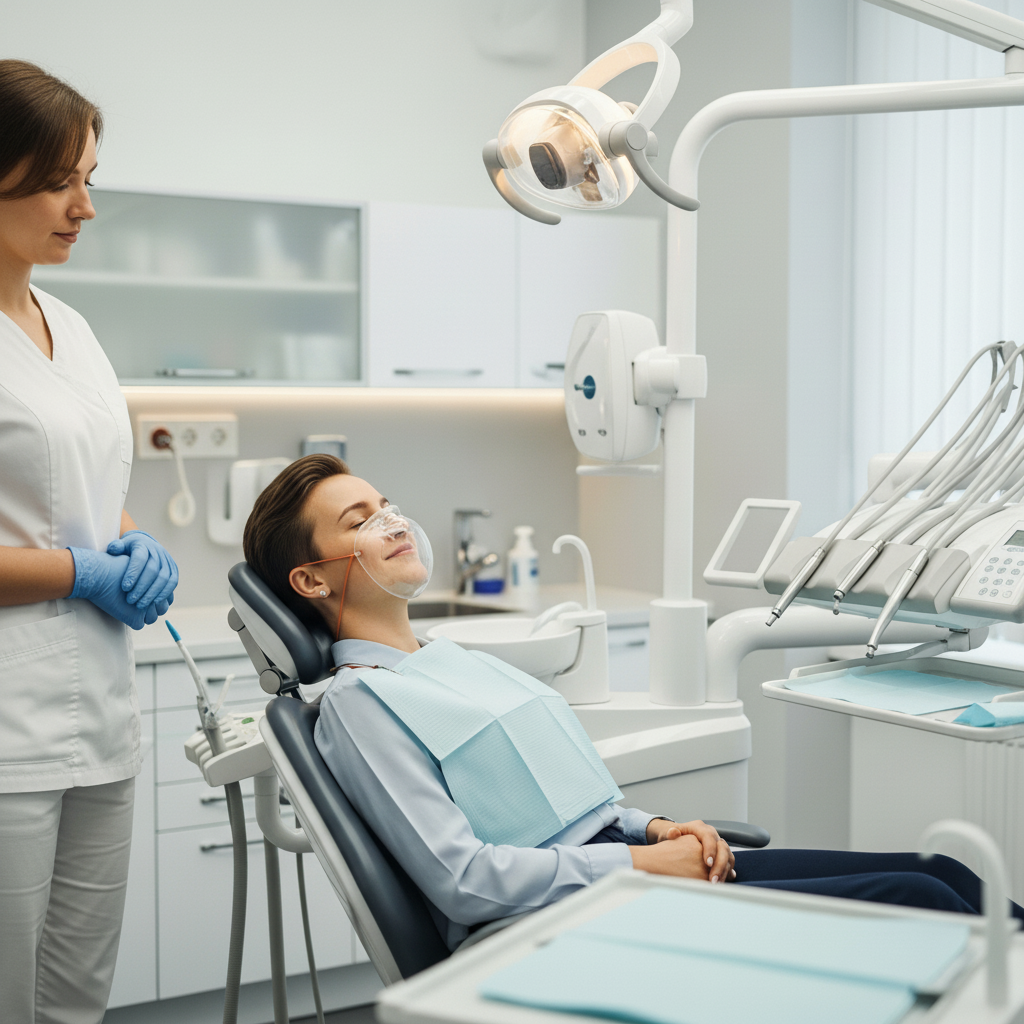
Commonly known as “laughing gas,” nitrous oxide is a safe and effective sedative gas mixed with oxygen. You inhale it through a small, comfortable mask placed over your nose. The dentist can precisely control the amount of sedation you receive, and its effects are felt within minutes, inducing a feeling of light-headedness, relaxation, and well-being. A key advantage is its rapid recovery time. Once the mask is removed, the gas is quickly eliminated from your system, and the effects disappear almost immediately. This is the only form of sedation where you may be able to safely drive yourself home afterward. It is an excellent choice for adults and children with mild to moderate anxiety.
Oral Sedation
This method involves taking a prescribed sedative pill, typically about an hour before your dental appointment. The medications are usually from the benzodiazepine family, such as Halcion or Valium, which are known for their anti-anxiety properties. The dosage determines the level of sedation, ranging from minimal to moderate. You will feel very drowsy and relaxed but will remain conscious. Because the onset and intensity can be less predictable than other forms, and the effects last for several hours, you are legally and medically required to have a responsible adult escort you to and from the clinic. Oral sedation is ideal for patients with moderate dental fear who prefer not to have an IV line placed.
Intravenous (IV) Sedation
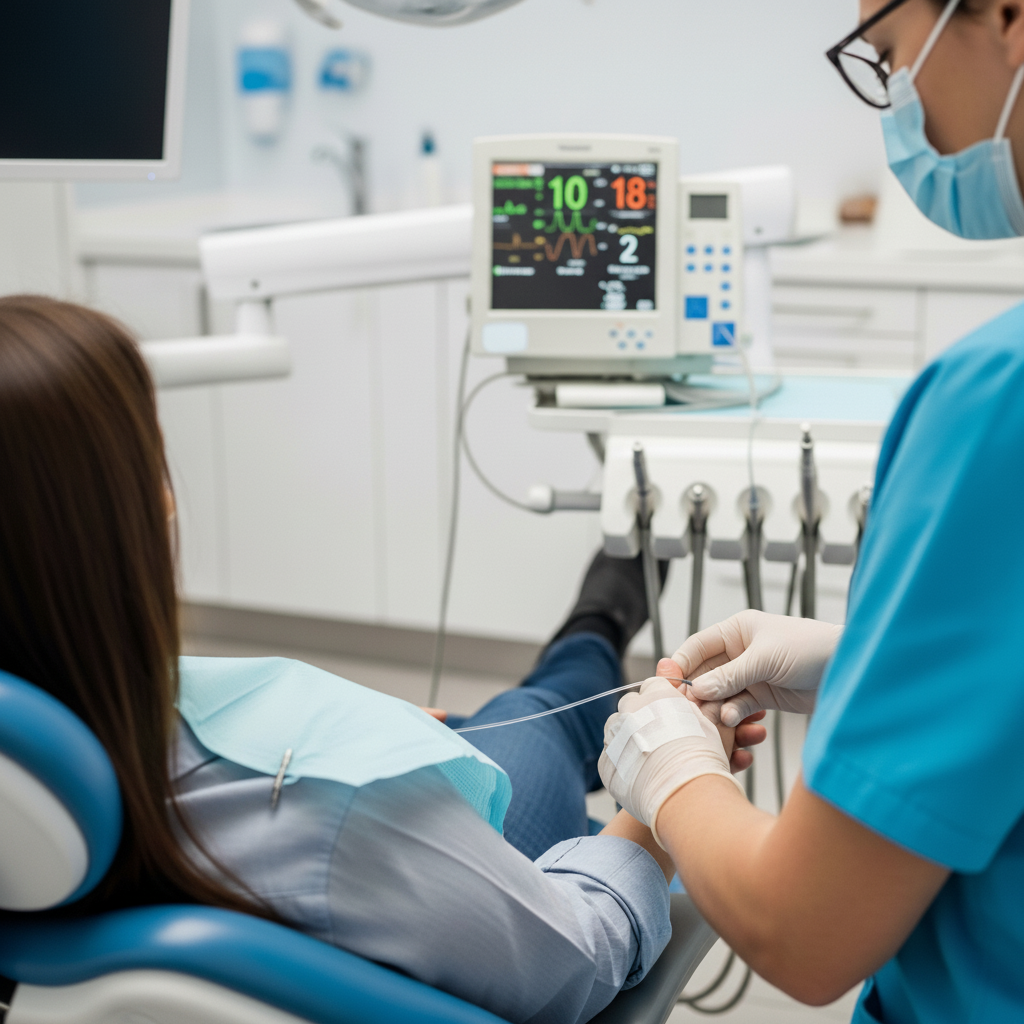
IV sedation delivers the sedative drug directly into your bloodstream through a thin needle placed in a vein, usually in your arm or hand. This method offers the fastest and most predictable results, as the dentist can continuously adjust the dosage to achieve the desired level of sedation in real-time. It typically induces a state of deep relaxation and amnesia, making it perfect for patients with severe anxiety or those undergoing extensive or complex dental work. Throughout the procedure, a dedicated professional will monitor your heart rate, blood pressure, and oxygen levels to ensure your complete safety. As with oral sedation, you will need an escort to take you home and should plan to rest for the remainder of the day.
| Feature | Inhaled Sedation (Nitrous Oxide) | Oral Sedation | IV Sedation |
|---|---|---|---|
| Administration | Inhaled through a nose mask | Pill taken orally before appointment | Injected directly into a vein |
| Anxiety Level | Mild to Moderate | Moderate | Moderate to Severe |
| Onset Speed | Very Fast (2-3 minutes) | Slow (30-60 minutes) | Immediate (within seconds) |
| Recovery Time | Very Fast (minutes) | Slow (several hours) | Slow (several hours) |
| Amnesia Effect | Minimal to none | Common | Very Common |
| Escort Required? | No (usually) | Yes (mandatory) | Yes (mandatory) |
Who is an Ideal Candidate for Sedation Dentistry?
While sedation is most commonly associated with dental phobia, its applications are much broader. Many individuals can benefit from this service to ensure they receive comfortable and efficient dental care. Research indicates that a large portion of the population experiences significant dental anxiety, making sedation a vital tool in public health. You may be an ideal candidate if you experience one or more of the following:
- High Fear or Anxiety: An overwhelming sense of dread or panic at the thought of visiting the dentist.
- Traumatic Dental Experiences: A past negative event that has created a lasting phobia.
- Difficulty Getting Numb: Some patients find it hard for local anaesthetics to take full effect, especially when they are anxious. Sedation can help the anaesthetic work more effectively.
- A Very Sensitive Gag Reflex: An overactive gag reflex can make even simple procedures like X-rays or impressions nearly impossible. Sedation relaxes this reflex.
- Extremely Sensitive Teeth: For individuals with severe tooth sensitivity, sedation can make routine cleanings and examinations manageable.
- Complex or Lengthy Procedures: If you require extensive dental work, such as multiple extractions, implants, or a full mouth reconstruction, sedation allows the dentist to perform more work in a single, longer appointment, reducing the total number of visits.
- Physical Limitations: Patients who have difficulty sitting still for extended periods due to conditions like neck or back problems, or certain neuromuscular disorders, can benefit greatly from the relaxation sedation provides.
The Process: What to Expect Before, During, and After
A structured and transparent process ensures both patient safety and comfort. It begins with a comprehensive consultation where your dentist will review your full medical history, including any medications you are taking, and discuss your anxieties and treatment needs. This is the time to ask questions and establish which sedation method is best for you.
Before Your Appointment
Based on the chosen sedation type, you will receive specific pre-operative instructions. For oral or IV sedation, this will almost certainly include a period of fasting, meaning no food or drink for several hours before your procedure. You will also be reminded of the absolute necessity of arranging for a responsible adult to drive you home. Following these instructions precisely is critical for your safety.
During the Procedure
Upon arrival, the dental team will ensure you are comfortable. If you are having IV sedation, the line will be placed. Your vital signs will be monitored continuously from start to finish. The dentist will not begin the dental work until the sedative has taken full effect and you are in a state of calm. The team is highly trained to manage sedated patients, ensuring a smooth and safe experience.
After Your Appointment
Once the procedure is complete, the recovery process begins. If you had nitrous oxide, you will feel back to normal within minutes. For oral or IV sedation, you will continue to feel drowsy for several hours. Your escort will receive post-operative instructions for your care at home. You should plan to rest for the remainder of the day and avoid driving, operating machinery, or making any important decisions. Most patients feel fully recovered by the following morning.