Save 70% on Dental Implants in Turkey
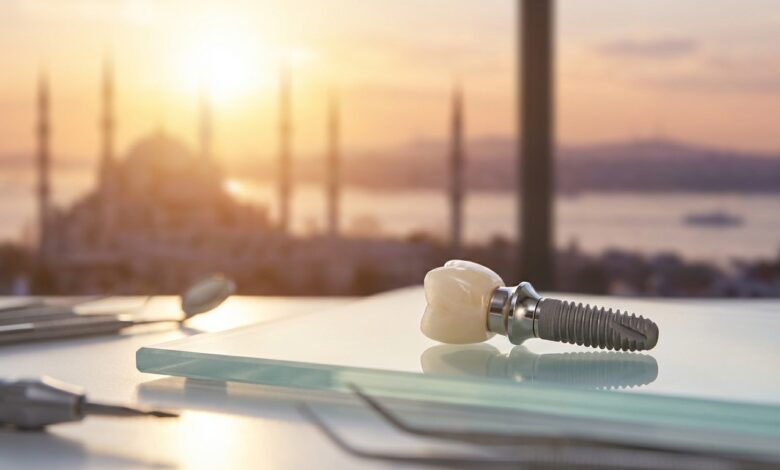
Save 70% on Dental Implants in Turkey, a decision that combines world-class dental care with unparalleled affordability. For individuals facing tooth loss, the search for a permanent, reliable, and aesthetically pleasing solution often leads to dental implants. These marvels of modern dentistry restore not just a smile, but also function and confidence. However, the high cost in countries like the UK, USA, and across Europe can make this transformative treatment seem out of reach. This is where Turkey has emerged as a global leader in dental tourism, offering a compelling proposition: access to the highest standards of dental technology and expertise at a fraction of the domestic price. Patients from around the world are discovering that traveling to Turkey for their dental work is not a compromise on quality, but a smart investment in their long-term oral health.
What Are Dental Implants? A Permanent Solution Explained
A dental implant is a sophisticated and durable replacement for a missing tooth root. Unlike dentures or bridges, which sit on the gums or are anchored to adjacent teeth, an implant is surgically placed into the jawbone, providing a stable and independent foundation for a replacement tooth. This approach mimics the natural structure of a tooth, ensuring superior stability, function, and appearance. The success of this procedure lies in a biological process called osseointegration, where the implant material fuses directly with the bone, creating a rock-solid and permanent bond.
The Anatomy of a Dental Implant
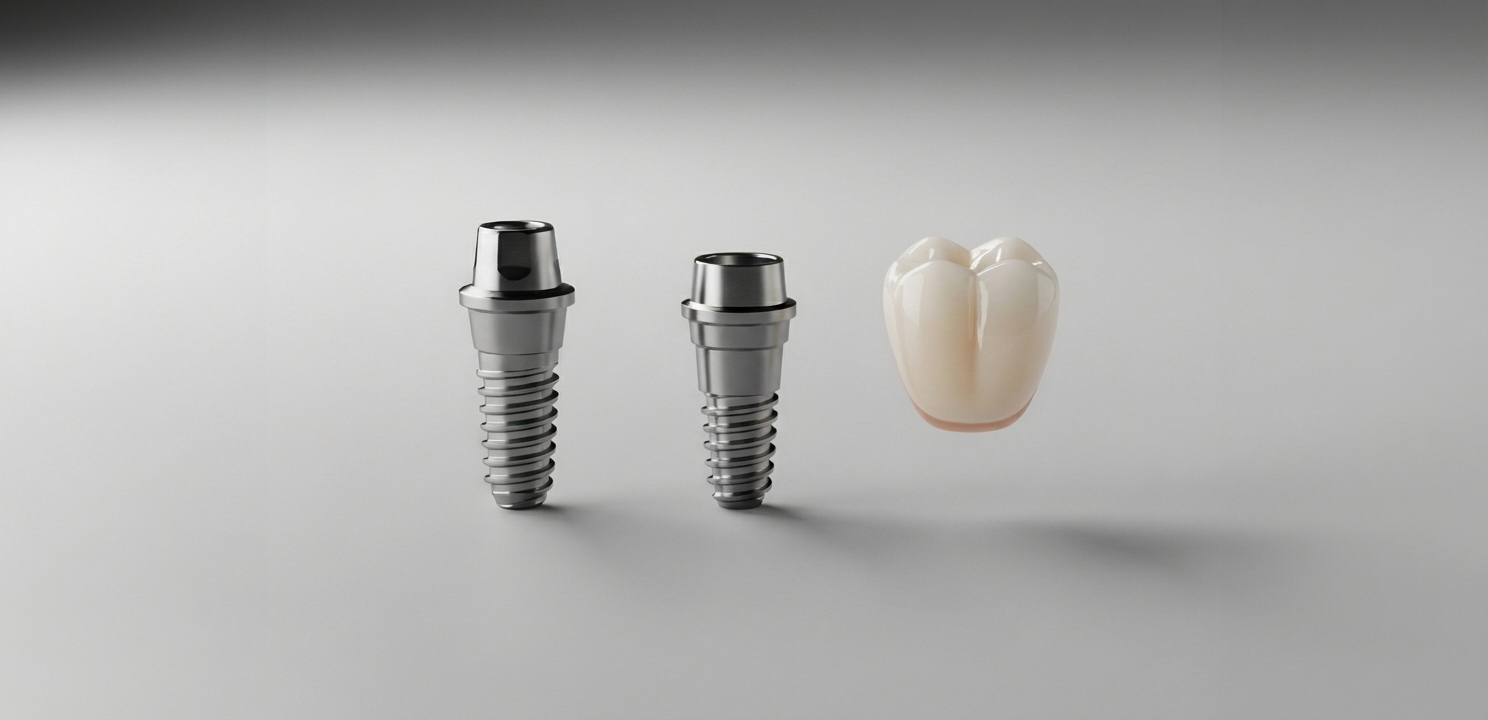
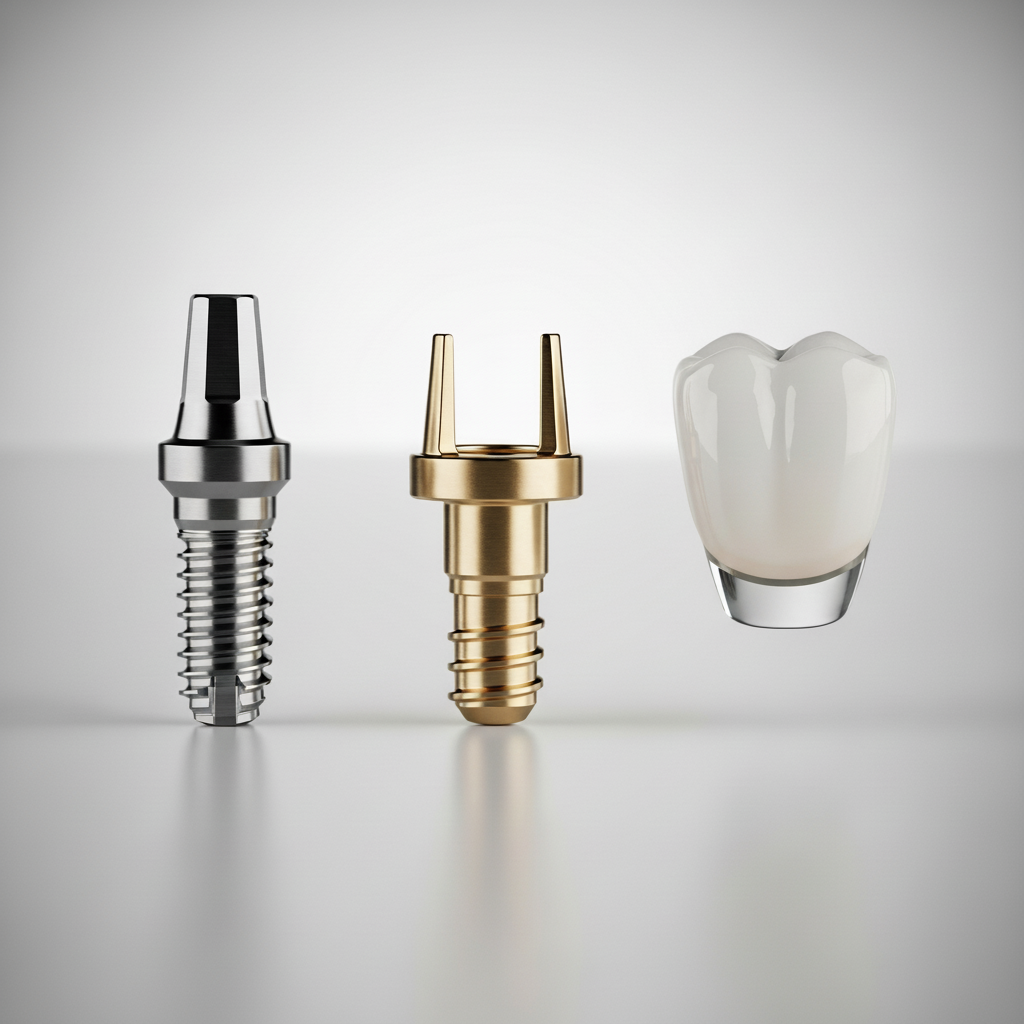
Understanding the components of a dental implant system helps to appreciate its effectiveness. A complete implant consists of three primary parts working in harmony:
- The Implant (Post/Fixture): This is a small, screw-like post typically made from biocompatible titanium. It is surgically inserted into the jawbone where the original tooth root was located. This post acts as the artificial root and is the foundational element that osseointegrates with the bone.
- The Abutment: Once the implant has fully fused with the jawbone, a connector piece called an abutment is attached to the top of the implant post. The abutment extends just above the gum line and serves as the docking point for the final restoration.
- The Crown (Prosthesis): This is the visible, tooth-shaped part of the restoration. The crown is custom-made in a dental laboratory to match the color, shape, and size of your natural teeth. It is then securely attached to the abutment, completing the restoration and providing a functional and natural-looking new tooth.
Materials Used: The Gold Standard of Titanium
The choice of material is critical to the long-term success of a dental implant. The industry standard, and the material used in the vast majority of successful procedures worldwide, is medical-grade titanium alloy. This material is chosen for its exceptional properties, including immense strength, low weight, and corrosion resistance. Most importantly, titanium is biocompatible, meaning the human body accepts it without causing an allergic or rejection response. This biocompatibility is what facilitates the crucial process of osseointegration. The long-term success and high survival rates of titanium implants are extensively documented in scientific literature, solidifying their status as the gold standard in implantology. Research consistently shows that with proper care, titanium implants can have a success rate of over 95% for 10 years and beyond, making them a truly reliable, lifelong investment. The remarkable durability and biological compatibility of these materials are supported by decades of clinical studies, such as this comprehensive review on implant success rates.
Why Choose Dental Implants in Turkey?
The surge in Turkey’s popularity as a premier destination for dental care is no accident. It is the result of a concerted effort to build a world-class healthcare infrastructure that delivers excellence without the exorbitant price tag common in Western nations. The benefits extend far beyond simple cost savings, encompassing quality, technology, and a superior patient experience.
Unbeatable Cost-Effectiveness
The primary motivator for many patients is the significant cost difference. The lower cost of dental implants in Turkey is not due to inferior materials or a lower standard of care. Instead, it is a result of the country’s lower cost of living, reduced operational expenses for clinics, favorable exchange rates, and government support for the medical tourism sector. This economic efficiency allows clinics to offer the exact same globally recognized implant brands (such as Straumann or Nobel Biocare) and high-quality materials for crowns (like Zirconia or E-Max) for up to 70% less than in other developed countries.
| Country | Average Cost Per Single Dental Implant (including Abutment & Crown) | Notes |
|---|---|---|
| Turkey | €400 – €800 | Includes high-quality, globally-recognized implant brands. Often part of an all-inclusive package. |
| United Kingdom | €2,500 – €4,000 | Costs can vary significantly by city and clinic. Consultation fees are often separate. |
| USA | $3,000 – $5,500 | Insurance coverage for implants can be limited, leading to high out-of-pocket expenses. |
| Germany | €2,000 – €3,500 | Known for high standards but also among the most expensive in Europe. |
World-Class Clinics and Technology
Top Turkish dental clinics are equipped with state-of-the-art technology that often surpasses what is available in an average neighborhood clinic in the UK or US. This includes essential diagnostic tools like Cone Beam Computed Tomography (CBCT) scanners, which provide highly detailed 3D images of the jawbone, teeth, and surrounding tissues. This allows for incredibly precise implant planning and placement, minimizing risks and improving outcomes. Furthermore, the use of digital intraoral scanners, computer-aided design/computer-aided manufacturing (CAD/CAM) for creating crowns, and soft tissue lasers ensures every step of the process is accurate, efficient, and comfortable for the patient. Dentists and oral surgeons in Turkey undergo rigorous training and often have international experience and certifications, ensuring their skills are on par with the best in the world.
The Step-by-Step Dental Implant Procedure
The dental implant journey is a carefully planned process that typically requires two separate visits to Turkey, spaced a few months apart to allow for proper healing.
Step 1: Initial Consultation and Planning
The process begins long before you board a plane. Through a remote consultation, you will share your dental records, including panoramic X-rays or CT scans. The dental team in Turkey will evaluate your case, determine your suitability for implants, and create a personalized treatment plan. This plan will detail the number of implants needed, any prerequisite procedures like bone grafting or sinus lifting, the type of materials to be used, a full cost breakdown, and the proposed timeline. This transparent and comprehensive planning phase ensures there are no surprises.
Step 2: The First Visit – Implant Placement
During your first trip, which typically lasts for a few days, the surgical placement of the titanium implant posts occurs. The procedure is performed under local anesthesia and is generally painless. The surgeon makes a small incision in the gum, prepares the jawbone using precision drills, and carefully inserts the implant post. The gum is then sutured closed over the implant. This marks the beginning of the critical healing phase, or osseointegration, which takes approximately 3 to 6 months. During this time, the jawbone grows around and fuses with the implant, creating a strong, stable foundation.
Step 3: The Second Visit – Crown Placement
After the osseointegration period is complete, you will return to Turkey for your second visit. This trip is usually shorter. The surgeon will first expose the top of the implant and attach the abutment. Next, highly accurate impressions or digital scans of your mouth are taken. These are sent to a specialized dental laboratory where your final crowns are meticulously crafted to match your natural teeth perfectly. Once the crowns are ready, your dentist will securely fit them onto the abutments, making final adjustments to ensure a perfect bite and a beautiful, seamless aesthetic.
Are You a Good Candidate for Dental Implants?
While dental implants have a very high success rate, they are not suitable for everyone. A thorough evaluation is necessary to determine candidacy. Key factors include having sufficient jawbone density and volume to support the implant. In cases where bone loss has occurred, a preliminary procedure such as a bone graft or a sinus lift may be required to create a solid foundation for the implant. Candidates should also have good overall health and healthy gums, free from periodontal disease. Certain chronic conditions, if uncontrolled, may affect the healing process. The best way to know for sure is to begin the evaluation process. A professional assessment will provide a clear path forward and a detailed plan to restore your smile. To find out if you are an ideal candidate and receive a personalized treatment plan, it is best to contact a specialist for a free consultation.