Best Dental Clinics in Hamilton for Implants
Dental implants represent a revolutionary advancement in restorative dentistry, offering a durable, aesthetically pleasing, and functional solution for missing teeth. For individuals in Hamilton seeking to regain their smile, confidence, and chewing ability, identifying a top-tier dental clinic specializing in implants is paramount. This guide aims to navigate the landscape of dental care in Hamilton, highlighting what to look for when choosing a clinic for dental implant procedures.
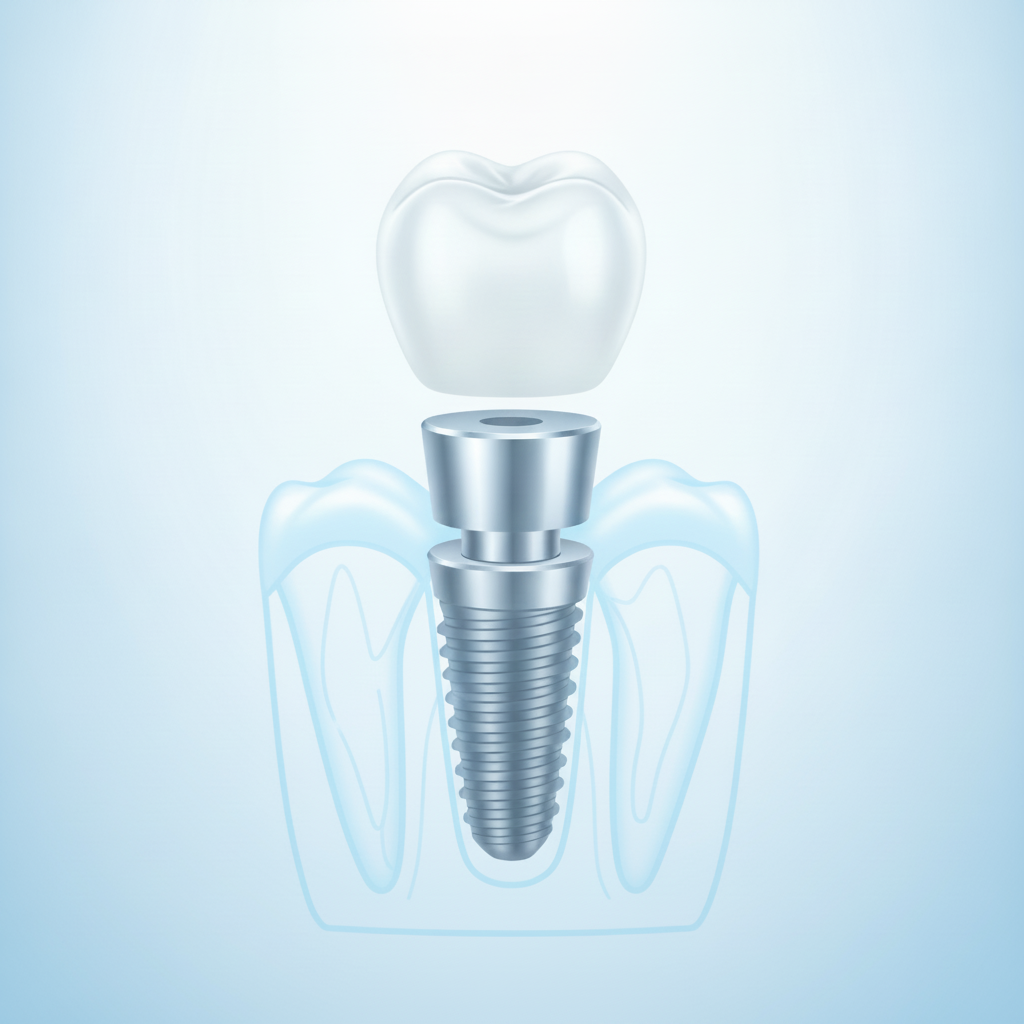
Losing a tooth can have significant implications beyond just aesthetics. It can lead to shifting of adjacent teeth, changes in bite, difficulty speaking and eating, and even jawbone deterioration over time. Dental implants provide a comprehensive solution by mimicking the natural tooth structure, from root to crown. They are small, screw-shaped posts, typically made of biocompatible titanium, that are surgically placed into the jawbone beneath the gum line. Once integrated with the bone, they serve as a stable foundation for artificial teeth (crowns, bridges, or dentures). This integration process, known as osseointegration, is key to their success and longevity.
Hamilton, a vibrant city known for its growing communities and healthcare infrastructure, hosts numerous dental practices. However, not all clinics possess the specialized expertise, technology, and patient-centered approach required for successful implant dentistry. Choosing the right clinic involves evaluating several critical factors, from the dentist’s experience to the clinic’s technological capabilities and commitment to patient care.
Understanding Dental Implants: A Foundation for Choice
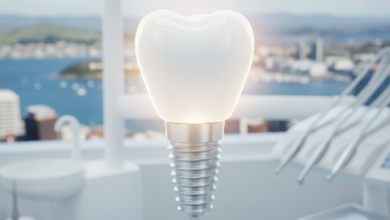
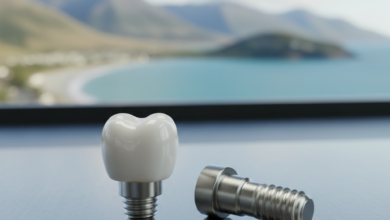
- The Implant Fixture: This is the titanium post that is surgically placed into the jawbone. Titanium is used because of its biocompatibility, meaning it can fuse directly with bone tissue.
- The Abutment: A small connector piece that screws into the implant fixture and protrudes through the gum line. It serves as the attachment point for the final prosthesis.
- The Dental Prosthesis: This can be a single crown, a bridge, or a full denture, custom-made to match your natural teeth in shape, size, and color, which attaches to the abutment.
The process generally involves several stages over a few months, allowing for proper healing and osseointegration. The benefits are extensive: improved appearance, enhanced speech, greater comfort, easier eating, improved oral health, and exceptional durability, often lasting a lifetime with proper care.
Best Dental Clinics in Hamilton for Implants: Key Selection Criteria
When searching for the ideal dental clinic in Hamilton for your implant procedure, consider these essential criteria:
Dentist’s Experience and Specialization in Implantology
The success of dental implants heavily relies on the skill and experience of the dental surgeon. Look for dentists who have specialized training in implant dentistry, extensive experience performing implant procedures, and a strong track record of successful outcomes. It’s beneficial to inquire about the number of implant cases they have handled and their continuing education in this field. A dentist who regularly attends workshops and stays abreast of the latest techniques and technologies in implantology demonstrates a commitment to excellence.
Advanced Technology and Facilities
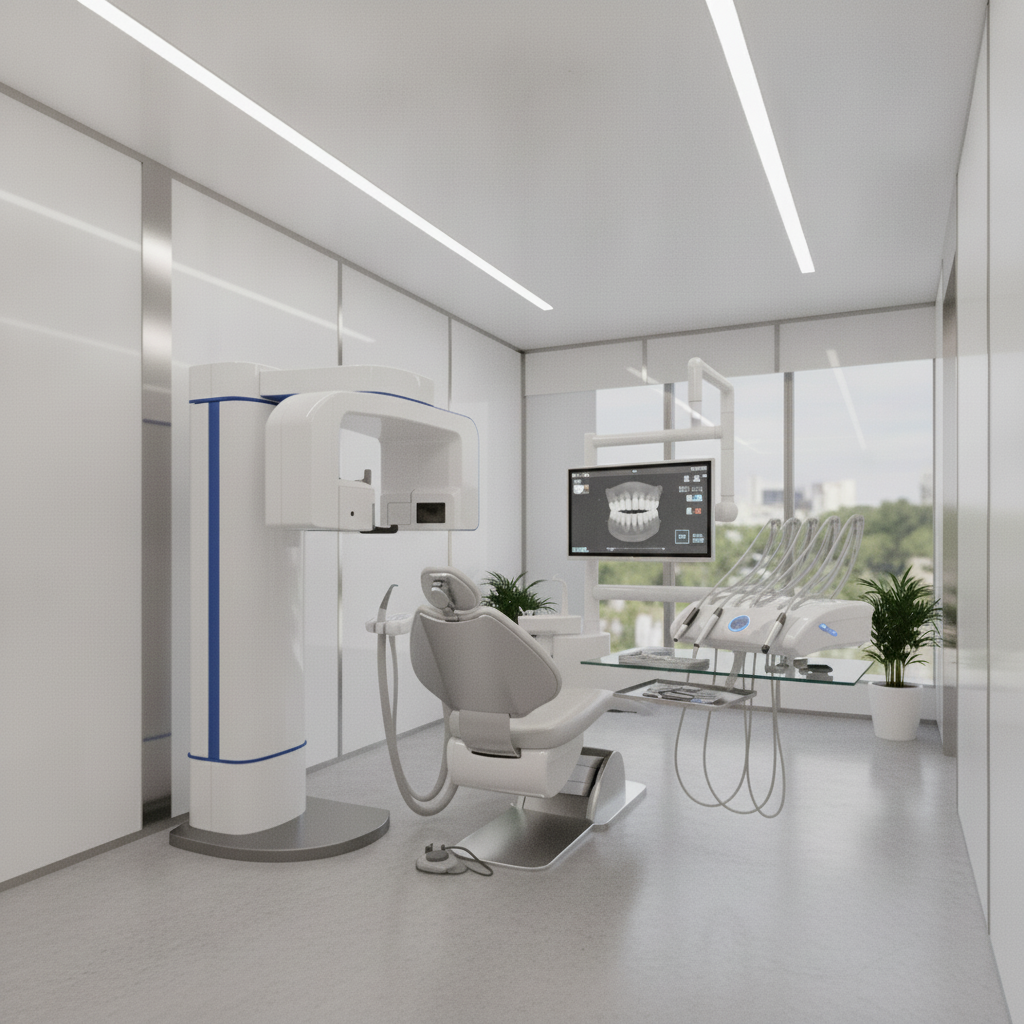
Modern dental implantology utilizes cutting-edge technology to ensure precision, safety, and optimal results. Clinics equipped with advanced diagnostic tools like 3D Cone Beam Computed Tomography (CBCT) scanners can provide highly detailed images of your jawbone, nerves, and sinus cavities, which are crucial for precise treatment planning. Digital impression systems, computer-guided implant surgery, and in-house labs for fabricating prosthetics can further enhance the quality and efficiency of your treatment.
Comprehensive Treatment Planning and Personalized Care
A top clinic will offer a thorough initial consultation, including a detailed examination, diagnostic imaging, and a discussion of your medical history and treatment goals. They should provide a clear, personalized treatment plan that outlines each step of the procedure, anticipated timelines, and a transparent breakdown of costs. Patient-centered care means the clinic prioritizes your comfort, answers all your questions, and offers clear communication throughout your journey.
Sterilization and Safety Standards
Adherence to strict sterilization protocols and safety standards is non-negotiable in any medical setting, especially for surgical procedures like implant placement. Ensure the clinic follows all local health regulations and maintains a meticulously clean and sterile environment to prevent infections and ensure patient safety.
Post-Procedure Care and Follow-up
The implant journey doesn’t end after the placement of the crown. Excellent clinics provide comprehensive post-operative instructions, diligent follow-up appointments to monitor healing, and guidance on long-term maintenance and oral hygiene to ensure the longevity of your implants.
To summarize these crucial factors, here’s a table that provides a structured overview for your decision-making process:
| Factor | Description | Why it Matters for Implants |
|---|---|---|
| Dentist Experience & Specialization | Dentists with extensive training and practical experience in implantology. | Ensures precise placement, minimizes complications, and optimizes long-term success of the implant. |
| Advanced Technology & Tools | Clinics using 3D imaging (CBCT scans), digital planning software, and guided surgery. | Enhances diagnostic accuracy, predictability of outcomes, and patient safety during the procedure. |
| Comprehensive Treatment Approach | A thorough initial consultation, detailed diagnostics, and a clear, personalized treatment roadmap. | Crucial for a complete understanding of the procedure, costs, and expected aesthetic and functional results. |
| Patient Care & Comfort | Emphasis on patient education, comfort management, clear communication, and robust aftercare. | Contributes to a positive patient experience and ensures proper healing and maintenance of the implants. |
| Accreditation & Safety Protocols | Strict adherence to local health regulations, infection control standards, and best practices. | Guarantees a safe and hygienic environment, reducing the risk of complications. |
The Dental Implant Procedure: A Step-by-Step Overview
- Initial Consultation and Planning: This involves a thorough examination, medical history review, X-rays, and often 3D imaging to assess bone quality and quantity. The dentist will determine if you are a suitable candidate and develop a personalized treatment plan.
- Implant Placement Surgery: The titanium implant post is surgically placed into the jawbone under local anesthesia. In some cases, sedation options may be available for patient comfort.
- Healing and Osseointegration: A crucial phase where the implant fuses with the surrounding jawbone. This process typically takes several weeks to a few months, ensuring a strong and stable foundation for the artificial tooth. During this time, a temporary prosthesis might be worn.
- Abutment Placement (if not already integrated): Once osseointegration is complete, a small connector piece called an abutment is attached to the implant post. This may involve a minor surgical procedure to expose the top of the implant.
- Prosthetic Restoration: Impressions are taken to create your custom-made crown, bridge, or denture. Once fabricated, the final prosthesis is securely attached to the abutment, completing your new smile.
The number of visits required for dental implants can vary based on individual circumstances, the complexity of the case, and the specific implant system used. Factors such as the need for bone grafting or tooth extraction prior to implant placement can extend the overall treatment timeline. For a deeper understanding of the time commitment, you can refer to information on how many visits are needed for implants.
Post-surgery, some discomfort, swelling, and minor bleeding are normal. Your dentist will provide detailed aftercare instructions, including medication for pain management, dietary recommendations, and oral hygiene guidelines. Adhering to these instructions is vital for proper healing and to prevent complications. Long-term care for dental implants involves diligent oral hygiene practices, including brushing, flossing, and regular dental check-ups, just like natural teeth. Dental implants are known for their high success rates, but proper maintenance plays a significant role in their longevity. For more detailed information on dental implants as a medical procedure, you can consult reliable sources such as Wikipedia’s entry on Dental Implant.
Cost Considerations and Financing Options
The cost of dental implants can vary significantly based on factors such as the number of implants, the type of prosthesis, the need for supplementary procedures like bone grafting, and the clinic’s fees. While dental implants are an investment, their long-term benefits in terms of oral health, function, and aesthetics often outweigh the initial cost. Many clinics in Hamilton offer various financing options, payment plans, or work with third-party lenders to make treatment more accessible. It’s important to discuss all financial aspects transparently with your chosen clinic before commencing treatment.
Making Your Final Decision
Choosing the best dental clinic for implants in Hamilton is a personal decision that should be based on thorough research and careful consideration of the factors discussed. Don’t hesitate to schedule consultations with a few different clinics to compare their approaches, facilities, and the rapport you feel with the dental team. A reputable clinic will be transparent about their procedures, costs, and expected outcomes, empowering you to make an informed choice that aligns with your oral health goals. By prioritizing experience, technology, and patient-centered care, you can confidently select a clinic that will provide you with a successful and long-lasting dental implant solution, restoring your smile and quality of life.