
Dental Implant Procedure New Zealand – Step-by-Step
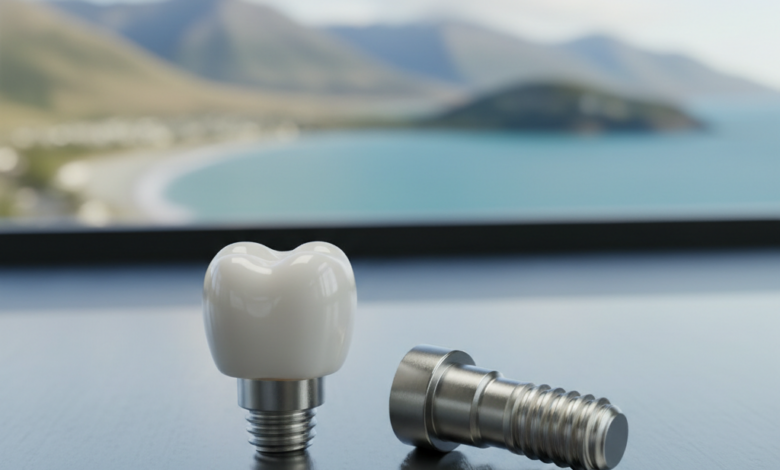
Navigating the landscape of modern dentistry in New Zealand, many individuals face the challenge of missing teeth, impacting not only their oral health but also their confidence and quality of life. Among the various restorative options available, dental implants stand out as a gold standard, offering a durable, aesthetically pleasing, and functionally superior solution. These sophisticated prosthetics are designed to mimic the natural structure of a tooth, from root to crown, providing stability and preserving jawbone integrity. Understanding the intricate process of receiving a dental implant is crucial for anyone considering this life-changing procedure. This comprehensive guide will walk you through each stage, from initial consultation to final restoration, demystifying the journey towards a complete and radiant smile.
Dental Implant Procedure New Zealand – Step-by-Step
Understanding Dental Implants: The Foundation of a Restored Smile
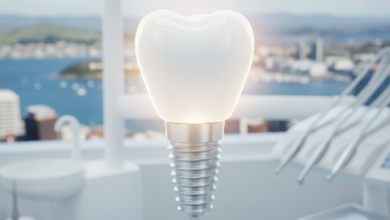
Dental implants are small, biocompatible titanium posts that are surgically placed into the jawbone beneath the gum line. Once integrated with the bone, they serve as stable anchors for artificial teeth, such as crowns, bridges, or dentures. Unlike traditional bridges or dentures, implants do not rely on neighbouring teeth for support and help prevent bone loss that often occurs when teeth are missing. The success of dental implants lies in a biological process called osseointegration, where the titanium post fuses directly with the bone over several months, creating a strong and lasting foundation. This unique ability to integrate with human bone tissue is what makes titanium an ideal material for such medical applications.
Choosing dental implants offers a multitude of advantages over conventional tooth replacement methods. They restore chewing efficiency, allowing patients to enjoy their favourite foods without discomfort or restriction. Implants also improve speech clarity, eliminate the need for removable dentures, and enhance facial aesthetics by preventing the sunken appearance that can result from jawbone atrophy. Perhaps most importantly, they offer a long-term solution, often lasting many decades or even a lifetime with proper care, making them a wise investment in overall oral health and well-being.
The Dental Implant Procedure New Zealand Process: A Detailed Journey
The journey to a fully restored smile with dental implants is a carefully planned and executed process, involving several distinct stages. While the exact timeline can vary depending on individual patient needs, bone quality, and the complexity of the case, the core steps remain consistent.
Initial Assessment and Planning
The first and most critical step is a thorough consultation with a qualified dental professional. This involves a comprehensive oral examination, including X-rays and often 3D Cone Beam Computed Tomography (CBCT) scans, to assess the health of your gums, jawbone density, and the precise location of nerves and sinuses. The dentist will also review your medical history to ensure you are a suitable candidate for surgery. Based on this detailed evaluation, a personalised treatment plan is developed, outlining the number of implants required, the type of restoration (e.g., single crown, multiple crowns, or full arch), and the overall timeline. This planning phase is crucial for predictable and successful outcomes.
Surgical Implant Placement
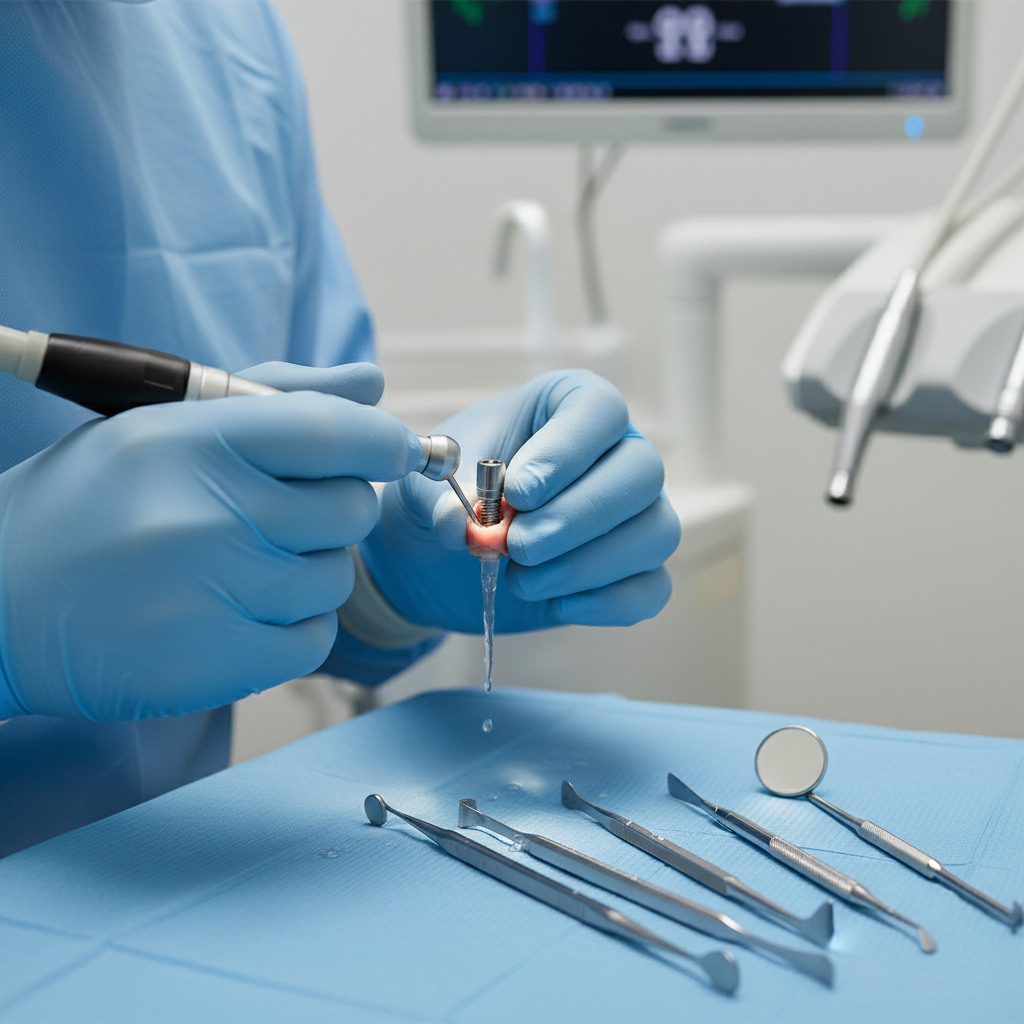
Once the treatment plan is finalised, the surgical phase begins. Under local anaesthesia (and sometimes sedation), a small incision is made in the gum tissue to expose the underlying jawbone. A precise pilot hole is then drilled into the bone at the predetermined location. The titanium implant post is carefully inserted into this prepared site. In some cases, if there is insufficient bone, a bone grafting procedure may be performed either before or concurrently with implant placement to ensure a stable foundation. After the implant is securely in place, the gum tissue is closed over the implant, and a protective cover screw is placed.
The Osseointegration Period
Following the surgical placement, a crucial healing period of typically 3 to 6 months begins. During this time, the implant gradually fuses with the surrounding jawbone in the process known as osseointegration. This biological bonding creates an incredibly strong and stable anchor for the future artificial tooth. Patients are usually advised to eat soft foods and maintain excellent oral hygiene during this phase. Temporary restorations may be provided to maintain aesthetics and function, especially for front teeth. Regular follow-up appointments allow the dentist to monitor the healing progress. For more in-depth information on dental implants and their long-term benefits, you can refer to authoritative resources like Wikipedia’s entry on Dental Implants.
Abutment and Prosthesis Attachment
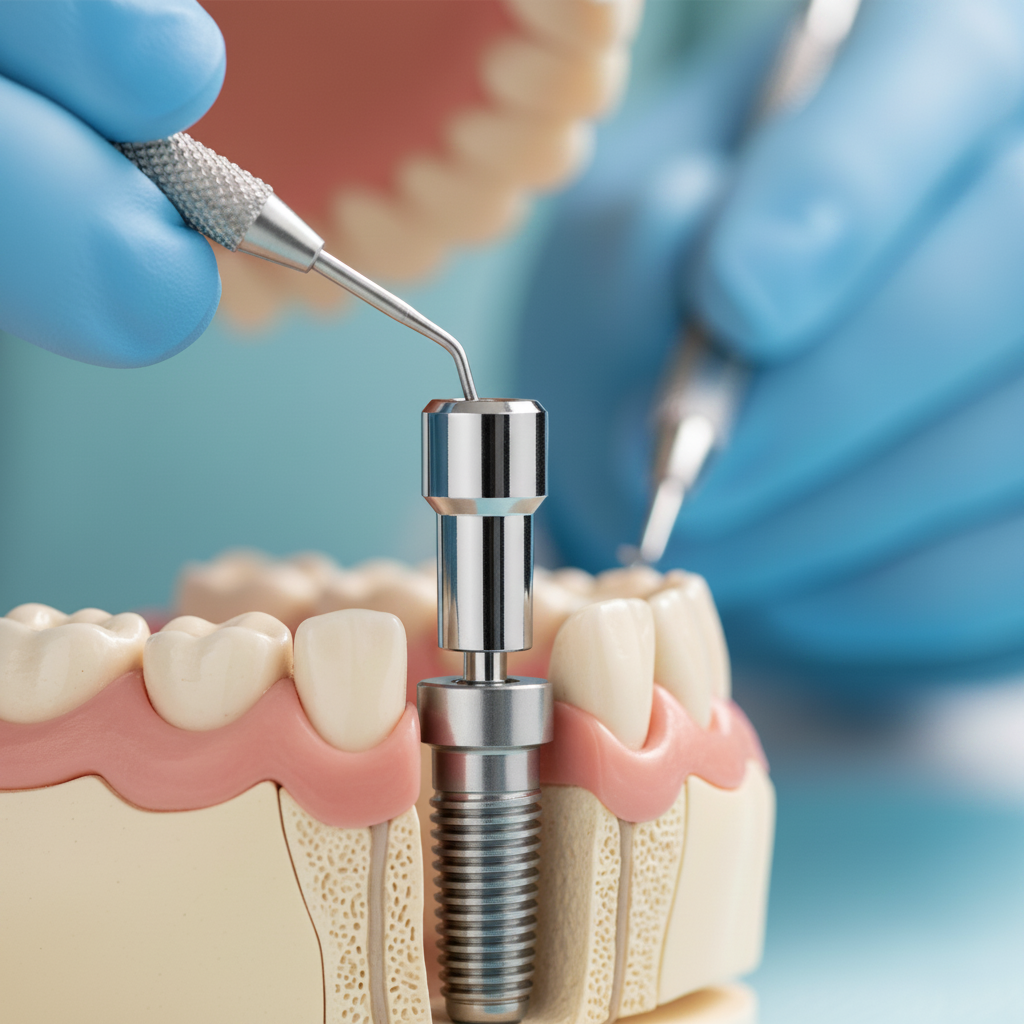
Once osseointegration is complete and the implant is fully stable, the second stage of the restoration process can begin. A minor surgical procedure is performed to expose the top of the implant, and a small connector post called an abutment is attached. The abutment extends through the gum line and serves as the attachment point for the final crown, bridge, or denture. Impressions of your mouth are then taken to custom-fabricate your permanent prosthetic tooth or teeth, ensuring a perfect fit, natural appearance, and correct bite alignment. Finally, the custom-made crown, bridge, or denture is securely cemented or screwed onto the abutment, completing your new smile.
The table below offers a generalised overview of the dental implant procedure timeline:
| Procedure Stage | Description | Estimated Timeline |
|---|---|---|
| Initial Consultation & Planning | Comprehensive examination, imaging, and personalised treatment plan development. | 1-2 appointments (days to weeks) |
| Surgical Implant Placement | Insertion of titanium implant into the jawbone. May include bone grafting. | 1 appointment (1-3 hours) |
| Osseointegration (Healing) | Implant fuses with jawbone. Temporary prosthesis may be worn. | 3-6 months (varies by individual) |
| Abutment Placement | Minor procedure to attach connector post to the integrated implant. | 1 appointment (30-60 minutes) |
| Prosthesis Fabrication & Attachment | Custom creation and fitting of crown, bridge, or denture onto the abutment. | 2-3 appointments (weeks after abutment placement) |
Long-Term Benefits and Advantages of Dental Implants
Beyond the immediate aesthetic improvement, dental implants offer significant long-term benefits that contribute to overall oral health and quality of life. Their unparalleled stability and integration with the jawbone distinguish them from other restorative options.
Aesthetics and Functionality
Dental implants are designed to look, feel, and function just like natural teeth. Because they are integrated into your bone, they provide a level of stability that allows for normal chewing, speaking, and smiling without any concerns about movement or slippage, common with removable dentures. The custom-made crowns are matched to the colour, shape, and size of your existing teeth, ensuring a seamless blend with your natural smile. This restoration of both form and function significantly boosts self-confidence and enables a return to a normal, uninhibited lifestyle.
Durability and Oral Health Preservation
With proper care, dental implants can last for many decades, often for a lifetime, making them a highly durable and cost-effective solution in the long run. Furthermore, implants play a crucial role in preserving the health of your jawbone. When a tooth is lost, the underlying bone can begin to resorb or deteriorate due to lack of stimulation. Dental implants provide the necessary stimulation, preventing bone loss and maintaining the structural integrity of your jaw and facial features. Unlike traditional bridges, implants do not require altering adjacent healthy teeth, thus preserving more of your natural dentition.
Ensuring Successful Outcomes: Recovery and Aftercare
The success and longevity of your dental implants depend significantly on proper recovery and diligent aftercare. Adhering to your dentist’s instructions is paramount.
Immediate Post-Operative Guidelines
Immediately after implant surgery, some swelling, bruising, and mild discomfort are normal. Pain medication will be prescribed to manage any discomfort. It is crucial to follow instructions regarding diet, typically soft foods for the first few days, and to avoid disturbing the surgical site. Good oral hygiene, including gentle rinsing with prescribed mouthwash, is vital to prevent infection. Avoid strenuous activities for the first few days and refrain from smoking, as it can significantly impede healing.
Maintaining Your New Smile
Once your implants are fully restored, maintaining excellent oral hygiene is essential for their long-term success. This includes brushing twice daily, flossing regularly (specialised floss or interdental brushes may be recommended), and using an antimicrobial mouthwash. Regular dental check-ups and professional cleanings are also critical to monitor the health of your implants and surrounding gums. Your dental professional can identify any potential issues early and provide guidance on the best maintenance practices for your specific case.
Considerations and Choosing the Right Path
Embarking on the dental implant journey requires careful consideration of various factors, from candidacy to the financial investment.
Am I a Candidate for Dental Implants?
Most individuals who have lost one or more teeth are potential candidates for dental implants. However, certain conditions can affect eligibility. Ideal candidates generally have good overall health, sufficient jawbone to support the implant, and healthy gum tissue free from periodontal disease. Factors such as uncontrolled diabetes, heavy smoking, or certain medical conditions may require careful evaluation and management before considering implants. Your dentist will conduct a thorough assessment to determine if dental implants are the right option for you.
Understanding the Investment: Costs and Value
The cost of dental implant procedures in New Zealand can vary significantly based on factors such as the number of implants, the need for supplementary procedures like bone grafting, the type of prosthetic used, and the specific dental practice. While the initial investment might seem higher than other tooth replacement options, it is important to consider the long-term benefits, durability, and positive impact on quality of life. Implants often prove to be more cost-effective over time due to their longevity and minimal need for replacement compared to bridges or dentures. For more information regarding the financial aspects and categories of dental implant treatments, you can explore resources like Dental Implant Costs. Consulting with your dental professional will provide a detailed breakdown tailored to your specific treatment plan.
The decision to pursue dental implants is an investment in your health, comfort, and appearance. By understanding the detailed procedure, the benefits, and the commitment to aftercare, individuals in New Zealand can make informed choices to restore their smiles and regain their confidence for years to come.



One Comment