Wisdom Tooth Removal in New Zealand: Cost & Recovery Guide

Wisdom teeth are the last set of molars to emerge, typically between the ages of 17 and 25. While some people’s wisdom teeth grow in without any issues, many individuals lack sufficient space in their jaw for them to erupt properly. This leads to a range of problems that necessitate their removal. A dentist or oral surgeon will recommend extraction based on diagnostic tools like X-rays and a thorough clinical examination.
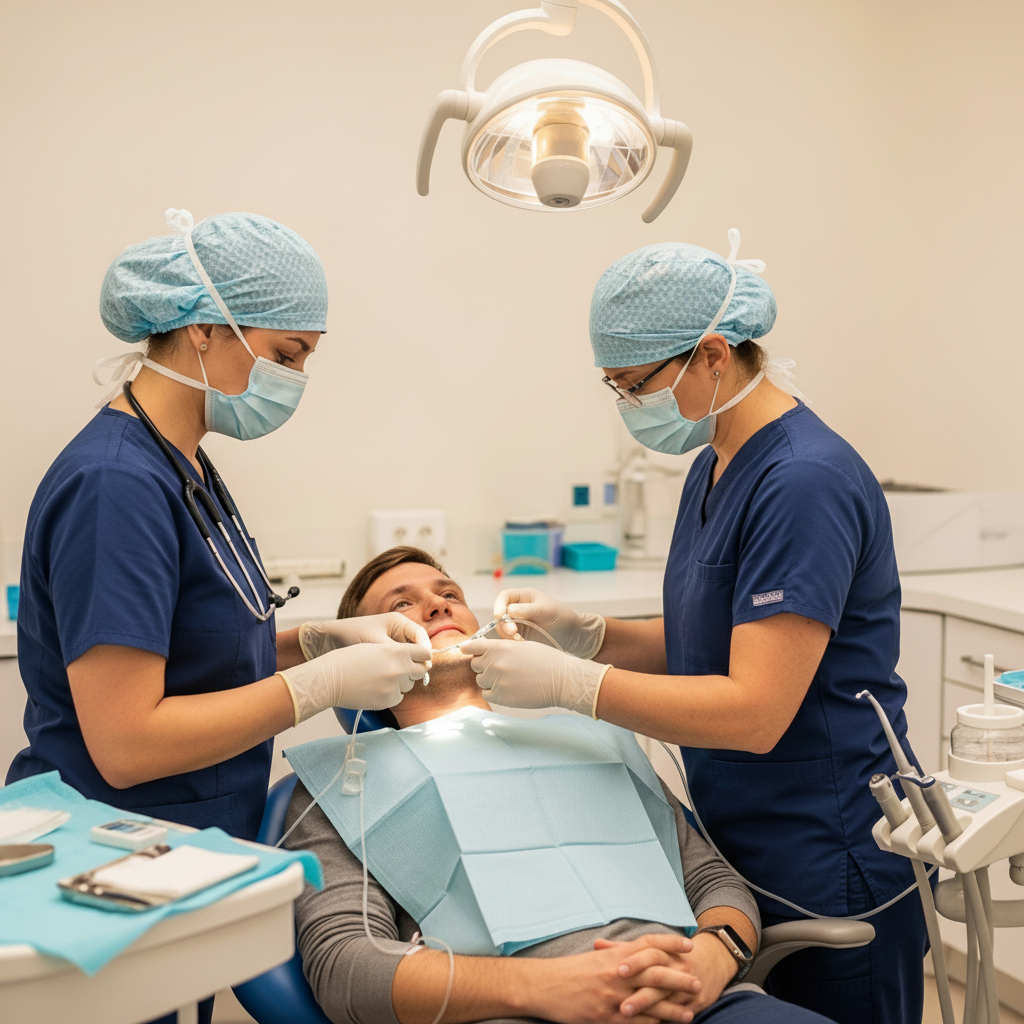
Wisdom Tooth Removal in New Zealand: Cost & Recovery Guide. The prospect of having your wisdom teeth, or third molars, removed can be daunting. It is one of the most common oral surgery procedures performed, yet it is surrounded by questions about pain, cost, and recovery. This comprehensive guide provides clear, detailed information for anyone facing this procedure in New Zealand, breaking down everything from the initial consultation to the final stages of healing. Understanding the process is the first step toward a smooth and comfortable experience.
When is Wisdom Tooth Removal Necessary?
Impacted Wisdom Teeth
The most common reason for removal is impaction. An impacted wisdom tooth is one that is trapped in the jawbone or under the gums and cannot fully erupt into a normal, functional position. Impaction can be classified based on the tooth’s orientation:
- Mesial Impaction: The tooth is angled forward, toward the front of the mouth. This is the most frequent type of impaction.
- Vertical Impaction: The tooth is in a relatively normal orientation but remains trapped beneath the gum line or bone.
- Distal Impaction: The tooth is angled backward, toward the rear of the mouth. This is less common.
- Horizontal Impaction: The tooth is lying completely on its side, often pressing directly against the roots of the adjacent second molar. This position almost always requires extraction due to the high risk of damage.
Impacted teeth can cause persistent pain, pressure, and create pockets where food and bacteria become trapped, leading to further complications.
Pain and Infection (Pericoronitis)
When a wisdom tooth only partially breaks through the gum, it creates a small flap of gum tissue around the crown. This flap, known as an operculum, can easily trap food debris and bacteria. This can lead to a painful infection called pericoronitis. Symptoms include red, swollen gums, pain, a bad taste or smell in the mouth, and difficulty opening the jaw. While it can sometimes be managed with antibiotics and cleaning, recurrent pericoronitis is a strong indicator that the tooth should be removed.
Crowding and Damage to Adjacent Teeth
The pressure exerted by an erupting or impacted wisdom tooth can have a domino effect on the rest of your teeth. It can push adjacent molars out of alignment, leading to crowding that may undo previous orthodontic work. Furthermore, a horizontally or mesially impacted wisdom tooth can press against the roots of the second molar, leading to root resorption (dissolving of the root structure) or cavities on that tooth, potentially compromising its long-term health.
The Consultation and Procedure: What to Expect
The journey to having a wisdom tooth removed begins with a detailed consultation. This initial appointment is crucial for planning the extraction and ensuring patient comfort and safety. The dentist will review your medical history, perform a physical examination of your mouth, and take diagnostic images.
Initial Assessment and X-rays
A panoramic X-ray (OPG) is typically used to get a clear view of your entire lower and upper jaw. This allows the dentist to see the exact position of the wisdom teeth, their root formation, and their proximity to critical structures like the nerves in the lower jaw (the inferior alveolar nerve) and the sinuses in the upper jaw. In complex cases, a 3D CBCT scan may be recommended for even greater detail, helping the surgeon to plan the extraction with maximum precision and minimise risks.
Anaesthesia and Sedation Options
Managing anxiety and ensuring a pain-free procedure is a top priority. Depending on the complexity of the extraction and the patient’s anxiety level, several options are available. For many patients, the thought of the procedure itself is the most challenging part, which is why understanding your choices is important. Exploring sedation dentistry in New Zealand can provide peace of mind for nervous patients. The common options include:
- Local Anaesthesia: The area around the tooth is numbed completely. You will be awake and aware but will not feel any pain. This is suitable for simple, erupted wisdom tooth extractions.
- Intravenous (IV) Sedation: Also known as ‘twilight sleep’, this involves administering a sedative directly into a vein. You will be in a deeply relaxed, dream-like state and will have little to no memory of the procedure. Local anaesthetic is still used to numb the area.
- General Anaesthesia: This is typically performed in a hospital setting for very complex cases or for patients with severe anxiety. You will be completely unconscious for the entire procedure.
Understanding the Cost of Wisdom Tooth Removal in New Zealand
The cost of wisdom tooth removal varies significantly across New Zealand. There is no single fixed price, as the final fee depends on a combination of factors that are unique to each patient’s situation. It is essential to get a detailed quote from your dentist or oral surgeon after your initial consultation.
Factors Influencing the Price
Several key variables will determine the overall cost:
- Complexity: A simple extraction of a fully erupted tooth is the least expensive. A complex surgical extraction of a deeply impacted tooth that requires cutting the gum and removing bone will cost considerably more.
- Practitioner: An extraction performed by a general dentist will typically be less expensive than one performed by a specialist oral and maxillofacial surgeon. Complex cases are almost always referred to a specialist.
- Anaesthesia: The cost increases with the level of sedation. A procedure under local anaesthetic is the most affordable, while IV sedation and general anaesthesia add significant costs due to the need for specialised staff and monitoring equipment.
- Location: Dental fees can differ between major metropolitan areas like Auckland and smaller regional towns.
- Number of Teeth: The cost is usually calculated on a per-tooth basis. However, some clinics may offer a slightly reduced rate if all four are removed in a single session.
Generally, you can expect the cost for a single wisdom tooth removal to range from around $250 for a very simple extraction to over $900 for a complex surgical extraction by a specialist. IV sedation can add an additional $500-$800 to the total bill.
The Recovery Process: A Detailed Timeline
Proper aftercare is vital for a quick and complication-free recovery. The healing process occurs in stages, and knowing what to expect can help you manage your recovery effectively. Following post-operative instructions diligently is the best way to prevent complications such as dry socket. Studies published by institutions like the National Center for Biotechnology Information emphasize the importance of patient compliance with aftercare protocols for optimal healing.
| Timeframe | What to Expect | Key Aftercare Instructions |
|---|---|---|
| First 24 Hours | Numbness will wear off. Some bleeding is normal. Swelling and mild to moderate discomfort will begin. A blood clot will form in the socket, which is essential for healing. | Bite gently on gauze pads to control bleeding. Apply ice packs to the cheek for 20 minutes on, 20 minutes off. Take prescribed pain medication. Avoid spitting, rinsing, and drinking through a straw. Eat only very soft foods. |
| Days 2-3 | Swelling and bruising may peak during this period. Discomfort is still present but should be manageable with medication. Jaw stiffness is common. | Continue with a soft food diet. Begin gentle warm salt water rinses after meals to keep the area clean. Avoid strenuous physical activity. Continue pain medication as needed. |
| Days 4-7 | Swelling, bruising, and pain should noticeably decrease. You may start to feel more like yourself. The socket is beginning to heal. | You can slowly reintroduce more solid foods as comfort allows, but avoid chewing near the extraction site. Continue warm salt water rinses. Maintain good, but gentle, oral hygiene. |
| Week 2 and Beyond | Most of the facial swelling and discomfort will be gone. The socket will continue to fill in with new tissue over the next several weeks to months. Any stitches will dissolve or be removed. | Return to a normal diet. Keep the extraction site clean. You can typically resume all normal activities. Attend your follow-up appointment if one was scheduled. |
Potential Complications and How to Manage Them
While the vast majority of wisdom tooth extractions heal without issue, it is important to be aware of potential complications.
Dry Socket (Alveolar Osteitis): This is the most common complication, occurring when the blood clot in the socket dislodges or dissolves prematurely, exposing the underlying bone and nerves. It results in a severe, throbbing pain that usually starts 3-4 days after the procedure. To prevent it, strictly avoid smoking, spitting, and using straws. If you suspect a dry socket, contact your dentist immediately. They will clean the socket and place a medicated dressing to relieve pain and promote healing.
Infection: Signs of an infection include increased swelling, persistent or worsening pain, pus or discharge from the socket, and a fever. If you notice any of these symptoms, it is crucial to contact your surgeon or dentist, as you may require a course of antibiotics.