Laser Dentistry NZ – Modern Treatment
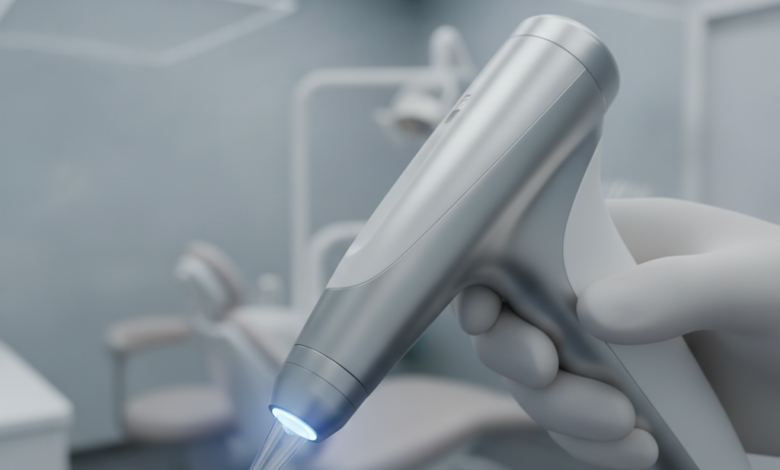
The landscape of modern dentistry is continually evolving, with technological advancements pushing the boundaries of what’s possible in patient care. Among these innovations, laser dentistry stands out as a revolutionary approach, offering precision, comfort, and efficacy far beyond traditional methods. For residents in New Zealand seeking cutting-edge dental solutions, understanding the benefits and applications of laser technology can open doors to a more comfortable and less invasive dental experience.
Laser Dentistry NZ – Modern Treatment
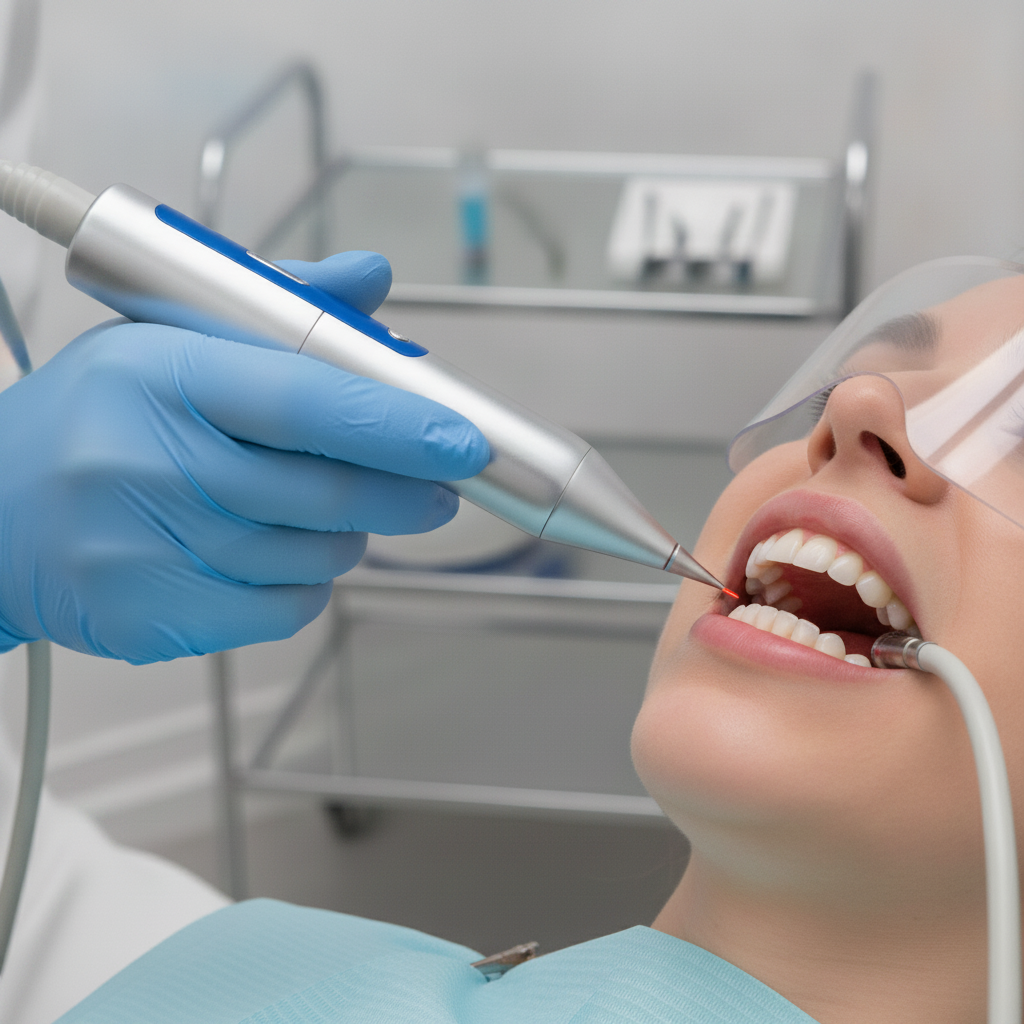
Traditionally, many dental procedures involved drills, scalpels, and sutures, often leading to anxiety, discomfort, and prolonged recovery times for patients. Laser dentistry, however, harnesses concentrated light energy to perform a wide array of treatments with unparalleled accuracy. This not only minimizes pain and bleeding but also significantly reduces the risk of infection and shortens healing periods. From treating gum disease to preparing teeth for fillings, lasers are transforming how dental care is delivered, making it a preferred option for many individuals looking for a gentler touch.
Understanding Laser Dentistry and Its Principles
Laser dentistry utilizes highly focused beams of light to remove or reshape tissue. The term “LASER” is an acronym for Light Amplification by Stimulated Emission of Radiation. In a dental context, different wavelengths of light are employed, each designed for specific tasks. For instance, some lasers are ideal for working on soft tissues (gums, cheeks, tongue), while others are suited for hard tissues (teeth, bone). This specificity allows dentists to target problem areas with extreme precision, leaving surrounding healthy tissue undisturbed.
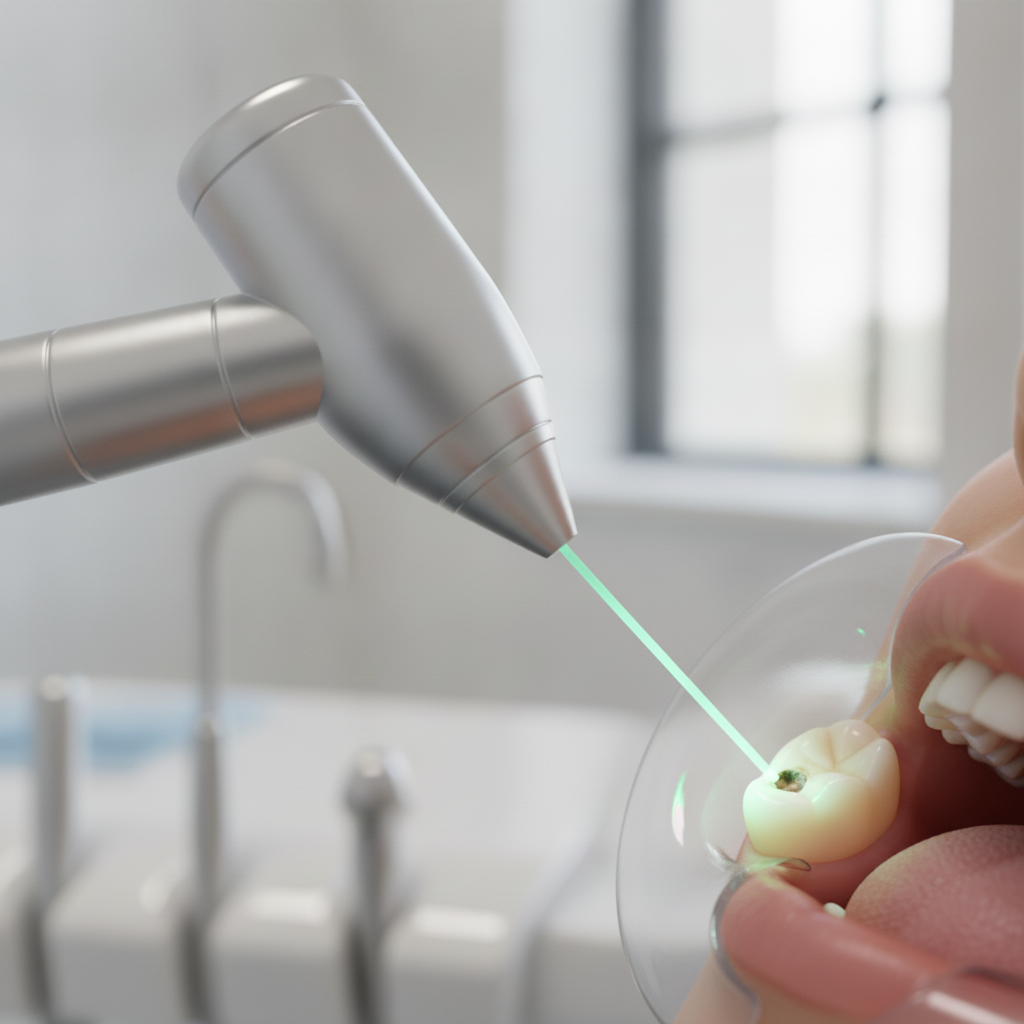
The primary mechanisms through which dental lasers operate include vaporization, coagulation, and ablation. When a laser beam interacts with tissue, it can either vaporize water within the cells, causing them to precisely remove tissue, or it can coagulate blood vessels, which significantly reduces bleeding during and after procedures. For hard tissues, the laser energy can ablate, or remove, small amounts of tooth structure without the vibration and noise associated with traditional dental drills.
The application of laser technology extends across almost all facets of dental care, from routine check-ups and preventative measures to complex surgical interventions. This versatility makes it an invaluable tool for dentists committed to providing the highest standard of patient comfort and clinical outcome.
Applications of
Laser Dentistry NZ
in Modern Practice
The scope of laser dentistry is broad, addressing various dental issues with enhanced efficiency and patient comfort. Here’s a breakdown of common applications:
- Cavity Detection and Filling Preparation: Lasers can detect cavities at very early stages, sometimes even before they are visible on X-rays. For filling preparation, specific lasers can remove decayed enamel and dentin without the need for a drill, often eliminating the need for anesthesia. This process is generally quicker and leaves more healthy tooth structure intact.
- Gum Disease Treatment (Periodontal Therapy): Lasers are highly effective in treating gingivitis and periodontitis. They can precisely remove infected gum tissue and bacteria from periodontal pockets, promoting faster healing and regeneration of healthy tissue. This minimally invasive approach often results in less bleeding, swelling, and discomfort compared to traditional gum surgery. For more information on gum treatments, consider exploring what to expect during gum surgery.
- Crown Lengthening: This procedure uses lasers to reshape gum tissue and bone to expose more of the natural tooth, often done before placing a crown or to correct a “gummy” smile. Lasers allow for precise tissue removal with minimal bleeding.
- Soft Tissue Surgeries: Lasers are used for a variety of soft tissue procedures, such as frenectomy (to release a tight frenum), gingivectomy (to reshape gum tissue), and lesion removal (biopsies for oral sores or growths). The cauterizing effect of lasers minimizes bleeding and the need for stitches, promoting quicker healing.
- Teeth Whitening: Certain lasers can accelerate the chemical reaction of teeth whitening agents, providing quicker and more dramatic results than conventional methods.
- Root Canal Therapy: Lasers can be used to sterilize the root canal system, effectively removing bacteria and improving the success rate of the procedure.
- TMJ Pain Relief: Low-level laser therapy can be used to reduce pain and inflammation associated with temporomandibular joint (TMJ) disorders.
- Canker Sore and Cold Sore Treatment: Lasers can significantly reduce the pain and healing time of canker sores and cold sores.
The versatility and precision of lasers mean that many procedures can be completed in a single visit, reducing overall treatment time and patient inconvenience.
Benefits of Choosing Laser Dentistry
The shift towards laser dentistry is driven by a host of advantages that benefit both patients and practitioners. These benefits contribute to a more positive and effective dental care experience:
- Reduced Pain and Discomfort: For many soft tissue procedures, lasers can minimize the need for anesthesia. For hard tissue work, the absence of vibrations and pressure from a drill makes the experience much more comfortable.
- Minimal Bleeding and Swelling: Lasers cauterize as they cut, leading to significantly less bleeding during and after soft tissue procedures. This also translates to reduced post-operative swelling.
- Faster Healing and Recovery: The precision of lasers and the reduced trauma to surrounding tissues promote quicker healing times. This means patients can return to their normal activities sooner.
- Lower Risk of Infection: The high-energy light sterilizes the area as it works, killing bacteria and significantly reducing the risk of bacterial infection post-procedure.
- Preservation of Healthy Tooth Structure: When removing decay, lasers are incredibly precise, allowing dentists to remove only the affected tissue while preserving more of the healthy tooth structure.
- Reduced Anxiety: For patients who experience dental phobia, the quiet and gentle nature of laser dentistry, combined with the reduced need for needles and drills, can significantly alleviate anxiety.
- Precision and Accuracy: Lasers offer unmatched precision, allowing dentists to perform intricate procedures with greater control and accuracy than traditional instruments.
These benefits collectively contribute to a dental experience that is often more pleasant, less stressful, and yields excellent clinical outcomes. The minimally invasive nature of laser dentistry is particularly appealing to those who have previously had negative experiences with traditional dental tools.
Laser Dentistry vs. Traditional Dental Methods
Understanding the distinctions between laser and traditional dentistry helps clarify why many patients and practitioners are gravitating towards laser-based treatments. While both approaches aim to achieve oral health, their methodologies and patient experiences can differ significantly.
| Feature | Laser Dentistry | Traditional Dentistry |
|---|---|---|
| Method of Tissue Removal | Focused light energy (ablation/vaporization) | Mechanical force (drills, scalpels) |
| Anesthesia Needs | Often reduced or eliminated for many procedures | Frequently required for most invasive procedures |
| Bleeding During Procedure | Minimal to none, due to cauterization | Common, often requiring sutures |
| Pain & Discomfort | Generally minimal, less post-operative pain | Can be significant, often managed with medication |
| Healing Time | Faster, reduced risk of infection | Potentially longer, depending on procedure |
| Sound/Vibration | Quiet, virtually no vibration | Noisy, significant vibration (e.g., dental drill) |
| Precision | High, preserves more healthy tissue | Good, but less precise than laser for some tasks |
| Risk of Infection | Lower due to sterilizing effect of laser | Present, requires strict sterile protocols |
This comparison highlights the transformative impact of lasers on the patient experience. The reduced invasiveness and enhanced comfort are key drivers for the adoption of this technology. However, it’s important to note that lasers are not suitable for every single dental procedure, and traditional methods still hold their place in comprehensive dental care. A skilled dentist will determine the most appropriate treatment approach based on individual needs.
Who is an Ideal Candidate for Laser Dentistry?
Almost anyone can be a candidate for laser dental procedures, particularly those who experience anxiety related to dental drills, needles, or the sounds associated with traditional dentistry. It is especially beneficial for:
- Children: The gentle nature of lasers often makes dental visits less intimidating for younger patients.
- Individuals with Dental Phobia: Those who dread the dentist can find laser treatments significantly more comfortable and less stressful.
- Patients Prone to Infection: The sterilizing effect of lasers is advantageous for individuals with compromised immune systems or those at higher risk of post-operative infections.
- People Requiring Gum Reshaping or Biopsies: The precision and minimal bleeding of lasers are ideal for these delicate soft tissue procedures.
- Patients Seeking Faster Recovery: Athletes, busy professionals, or anyone wanting to minimize downtime will appreciate the quicker healing times.
Consulting with a dental professional experienced in laser dentistry is crucial to determine if it’s the right option for your specific dental needs and health profile. They can assess your oral health and recommend the most effective treatment plan.
The Future of Dental Care in New Zealand with Lasers
As technology continues to advance, the role of laser dentistry in New Zealand’s oral healthcare landscape is expected to expand further. Continuous research and development are leading to even more sophisticated laser systems and techniques, promising greater precision, broader applications, and enhanced patient outcomes.
The trend towards minimally invasive dentistry aligns perfectly with the capabilities of laser technology. Patients are increasingly seeking treatments that are less painful, faster, and promote quicker recovery. Laser dentistry meets these demands, positioning itself as a cornerstone of advanced dental practices. As more dentists incorporate these tools into their practices, access to these modern, comfortable treatments will become more widespread across the country.
Ultimately, the goal of modern dentistry is to provide effective, comfortable, and patient-centric care. Laser technology is playing a pivotal role in achieving this, offering a promising future where dental treatments are synonymous with precision, comfort, and swift recovery. For those in New Zealand considering dental work, exploring laser options can lead to a significantly improved experience and optimal oral health. More information about the general field can be found on Wikipedia’s page on Laser Dentistry.