Gum Surgery NZ – What to Expect
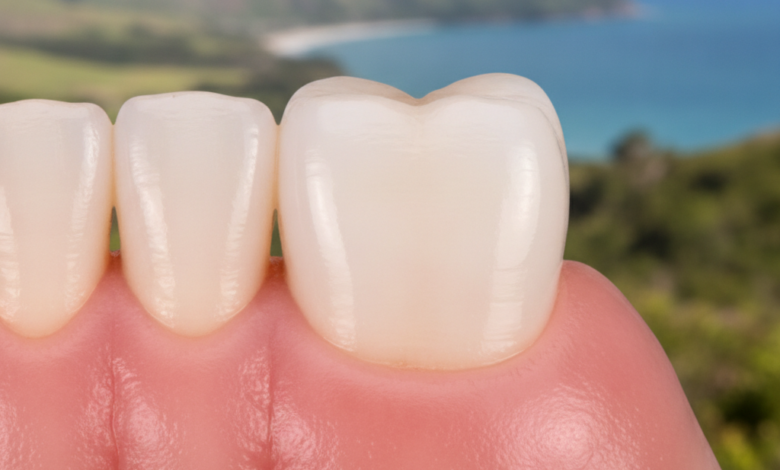
Gum Surgery NZ – What to Expect
Maintaining optimal oral health is crucial not just for your teeth, but for your overall well-being. At the heart of a healthy mouth are healthy gums, which act as a protective barrier for your teeth and underlying bone. However, when gum disease, also known as periodontal disease, progresses beyond its initial stages, non-surgical treatments may no longer be sufficient. In such cases, gum surgery becomes a necessary intervention to restore gum health, prevent further damage, and save your teeth. Understanding what gum surgery entails, from preparation to recovery, can help demystify the process and alleviate any concerns. This comprehensive guide aims to provide a clear overview for individuals in New Zealand considering or preparing for gum surgery.
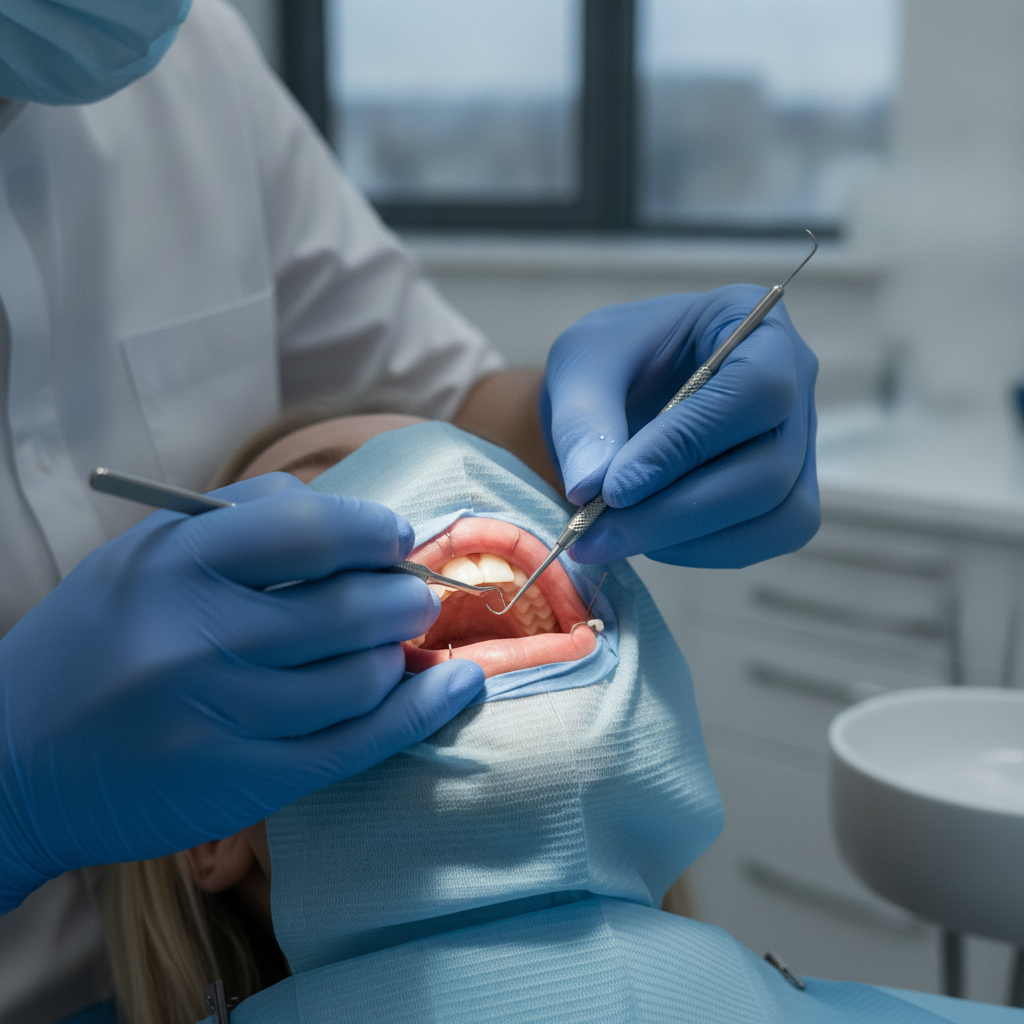
Understanding Advanced Gum Disease
Gum disease begins with gingivitis, a mild inflammation of the gums caused by plaque buildup. If left untreated, gingivitis can advance to periodontitis, a more severe infection where the gums pull away from the teeth, forming “pockets” that become infected. As these pockets deepen, bacteria multiply, and the infection can spread below the gum line, destroying the bone and tissue that support your teeth. Without intervention, this can lead to tooth loosening and eventual tooth loss. Symptoms of advanced gum disease include persistent bad breath, red or swollen gums, bleeding gums, painful chewing, sensitive teeth, and receding gums. While early stages can often be managed with thorough professional cleanings (scaling and root planing), advanced periodontitis often requires surgical treatment to access and eliminate the infection more effectively.
When is Gum Surgery Necessary?
The decision to undergo gum surgery is typically made after a thorough evaluation by a periodontist, a dentist specializing in the diagnosis and treatment of gum disease. Surgery is usually recommended when non-surgical treatments, such as deep cleaning (scaling and root planing), have failed to resolve the infection or when the periodontal pockets are too deep to be cleaned effectively with conventional methods. Specific conditions that might necessitate gum surgery include:
* Deep periodontal pockets that harbor bacteria and cannot be cleaned.
* Significant bone loss around the teeth.
* Receding gums that expose tooth roots, leading to sensitivity and vulnerability to decay.
* Uneven gum lines that affect aesthetics or make oral hygiene difficult.
* Cases where damaged bone needs to be reshaped or regenerated.
The ultimate goal of gum surgery is to reduce pocket depth, regenerate lost tissue and bone, and create an environment that is easier to clean and maintain, thereby preserving your natural teeth.
Types of Gum Surgery NZ: The Procedure
Several types of gum surgery are performed, each tailored to address specific issues arising from advanced gum disease. The choice of procedure depends on the severity of your condition, the extent of bone loss, and the specific goals of treatment.
Flap Surgery (Pocket Reduction Surgery)
This is one of the most common gum surgical procedures. During flap surgery, the periodontist makes small incisions in the gum tissue to gently lift back a section of the gums, exposing the roots of the teeth and the underlying bone. This allows for thorough cleaning and removal of plaque, tartar, and diseased tissue from the root surfaces. The irregular surfaces of the damaged bone may also be smoothed to reduce areas where bacteria can accumulate. After the cleaning and reshaping, the gum tissue is sutured back into place snugly around the teeth, reducing the pocket depth and making it easier for you to maintain good oral hygiene.
Bone Grafting
When periodontitis has led to significant bone loss around a tooth, bone grafting may be necessary to restore lost bone and help stabilize the tooth. Grafting material can come from the patient’s own bone, a synthetic source, or a donor. The graft material is placed in the area of bone loss, stimulating the growth of new bone and helping to reattach the gum tissue to the tooth. This procedure aims to reverse some of the damage caused by gum disease and provide a stable foundation for teeth.
Soft Tissue Grafts (Gum Grafts)
Gum recession, where the gum tissue pulls away from the tooth, exposing the root, can lead to sensitivity, root decay, and an unsightly appearance. Soft tissue grafts are used to cover exposed roots and improve the aesthetics of the gum line. During this procedure, tissue is typically taken from the roof of your mouth (palate) or a donor source and then carefully grafted onto the area of recession. The grafted tissue helps to protect the tooth root, reduce sensitivity, and provide a more even gum line. For more information on related procedures, you can visit our guide on gum contouring cost NZ.
Guided Tissue Regeneration
This procedure is performed when the bone supporting the teeth has been destroyed. Guided tissue regeneration aims to encourage the body’s natural ability to regenerate lost bone and gum tissue. After flap surgery to clean the area, a small piece of mesh-like fabric (which may be dissolvable) is inserted between the gum tissue and the bone. This barrier prevents the gum tissue from growing into the area where the bone should be, giving the bone and connective tissue cells an opportunity to grow and regenerate more effectively into the defect.
Crown Lengthening
Crown lengthening is a surgical procedure performed to remove gum tissue, and sometimes bone, to expose more of the tooth’s crown. This can be done for cosmetic reasons to address a “gummy smile” or for restorative purposes when a tooth needs a crown or filling but there isn’t enough tooth structure above the gum line to support it adequately. By increasing the visible portion of the tooth, it allows for proper placement of dental restorations or improves the balance of the gum-to-tooth ratio.
Preparing for Gum Surgery
Preparation for gum surgery involves several important steps to ensure the best possible outcome. Your periodontist will provide detailed instructions, which typically include:
* **Medical History Review:** A thorough review of your medical history, including any medications you are taking, allergies, and existing health conditions. You may need to adjust certain medications, such as blood thinners, prior to surgery.
* **Oral Hygiene Instruction:** Your dentist may recommend specific oral hygiene practices to reduce bacteria in your mouth before the procedure.
* **Antibiotics:** In some cases, you might be prescribed antibiotics to take before the surgery to prevent infection.
* **Transportation:** Arrange for someone to drive you home after the procedure, especially if you will be receiving sedation.
* **Questions:** It is vital to ask any questions you have about the procedure, recovery, and expected outcomes during your consultation.
The Gum Surgery Procedure
On the day of your surgery, you will typically receive a local anesthetic to numb the area, ensuring you feel no pain during the procedure. For patients with anxiety or those undergoing more extensive procedures, sedation options such as oral sedatives or intravenous (IV) sedation may be available to help you relax. Once the area is numb and you are comfortable, the periodontist will proceed with the chosen surgical technique. The duration of the surgery varies depending on the type and extent of the procedure, but it generally ranges from one to several hours. Throughout the surgery, the dental team will monitor your comfort and vital signs.
Recovery and Post-Operative Care
The recovery period after gum surgery is a critical phase for healing and achieving the desired results. Following your periodontist’s post-operative instructions meticulously is paramount.
* **Pain Management:** You may experience some discomfort, swelling, and minor bleeding after the surgery. Your periodontist will prescribe pain medication or recommend over-the-counter options to manage any pain.
* **Diet:** Stick to soft foods for the first few days, avoiding anything hot, spicy, crunchy, or chewy that could irritate the surgical site or dislodge sutures.
* **Oral Hygiene:** Gentle oral hygiene is crucial. You will likely be instructed to avoid brushing the surgical area directly for a period, instead using a prescribed antimicrobial mouthwash to keep the area clean. Brushing other areas gently is encouraged.
* **Activity Restrictions:** Avoid strenuous physical activity for a few days to prevent bleeding and promote healing.
* **Follow-up Appointments:** Several follow-up appointments will be scheduled to monitor your healing, remove any non-dissolvable sutures, and provide further guidance on oral hygiene.
It is important to understand that complete healing can take several weeks or even months, depending on the complexity of the surgery. Adhering to all post-operative instructions will significantly contribute to a successful recovery and long-term oral health.
Benefits of Gum Surgery
Undergoing gum surgery offers numerous benefits, particularly for those battling advanced periodontal disease. The primary advantages include:
* **Halting Disease Progression:** Surgery effectively removes bacteria and diseased tissue, stopping the destructive progression of periodontitis.
* **Preserving Teeth:** By reducing pocket depth and regenerating lost bone and tissue, surgery helps save teeth that might otherwise be lost.
* **Improved Oral Health:** A healthier gum environment reduces inflammation, bleeding, and bad breath.
* **Enhanced Aesthetics:** Procedures like soft tissue grafts or crown lengthening can significantly improve the appearance of your smile by correcting receding gums or an uneven gum line.
* **Easier Oral Hygiene:** Reduced pocket depths and a smoother gum line make it simpler to clean your teeth and gums effectively, preventing future disease.
Potential Risks and Complications
While generally safe and effective, like any surgical procedure, gum surgery carries some potential risks and complications, although they are typically minor and manageable. These can include:
* **Post-operative Pain and Swelling:** Expected but manageable with medication.
* **Bleeding:** Minor bleeding is common for a short period after surgery.
* **Tooth Sensitivity:** Exposed tooth roots can become more sensitive to hot and cold temperatures. This often subsides over time, but desensitizing toothpastes or treatments may be recommended.
* **Gum Recession:** In some cases, the gums may appear to recede further after surgery, especially after pocket reduction, as the inflamed tissue shrinks.
* **Infection:** Although rare, infection can occur. Following post-operative care instructions, including any prescribed antibiotics, minimizes this risk.
* **Numbness:** Temporary or, in very rare cases, permanent numbness in the surgical area or nearby structures.
Your periodontist will discuss these potential risks with you in detail, ensuring you are fully informed before proceeding with treatment.
Long-Term Outlook and Maintenance
Gum surgery is a significant step towards restoring your oral health, but it is not a one-time fix. Long-term success relies heavily on diligent ongoing oral hygiene and regular professional dental care. This includes:
* **Consistent Brushing and Flossing:** Meticulous daily brushing and flossing are essential to prevent plaque buildup and the recurrence of gum disease.
* **Regular Dental Check-ups and Cleanings:** Scheduled appointments with your dentist and periodontist for examinations and professional cleanings are crucial for monitoring your gum health and addressing any new issues promptly.
* **Healthy Lifestyle:** A balanced diet, avoidance of tobacco products, and managing systemic conditions like diabetes can all positively impact your gum health.
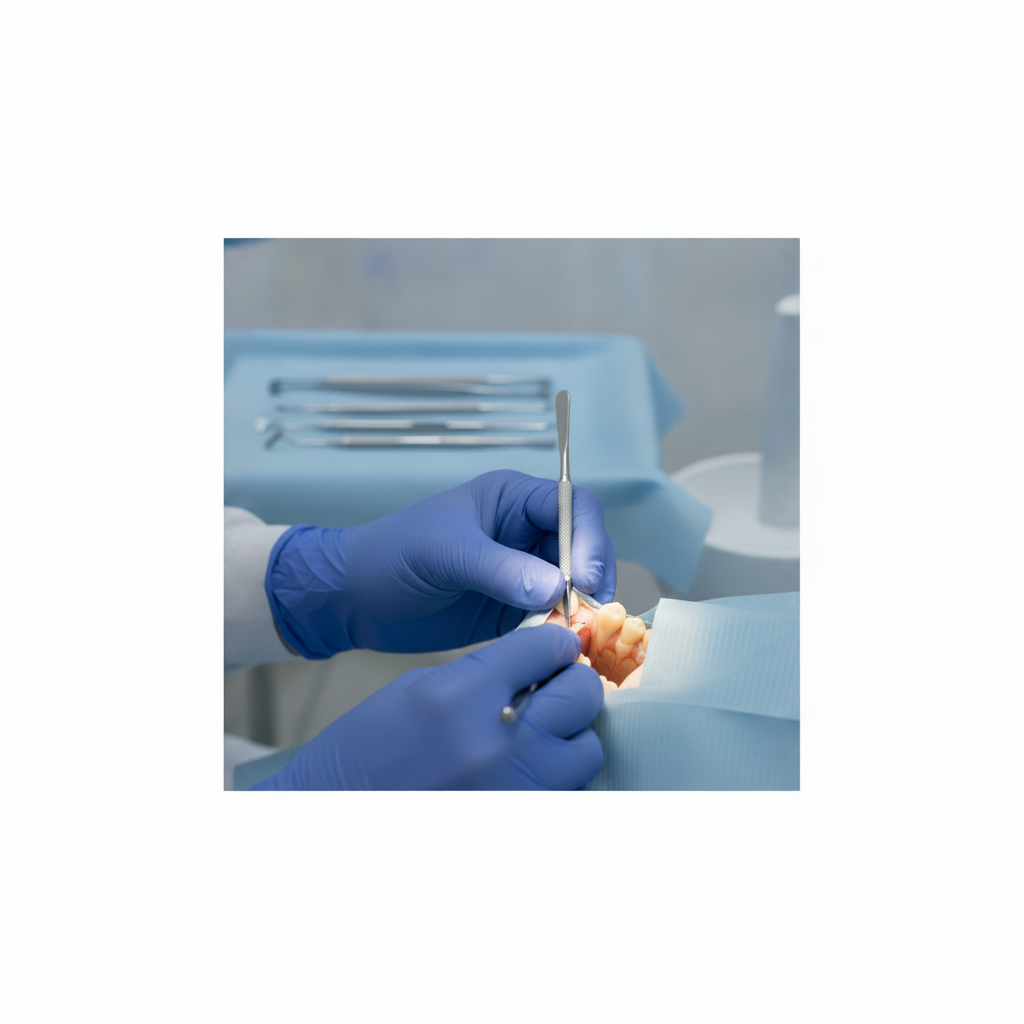
By committing to these practices, individuals in New Zealand who undergo gum surgery can expect to maintain healthier gums, preserve their teeth, and enjoy a better quality of life for many years to come. The goal is not just to treat the disease but to empower you with the tools and knowledge to prevent its return, ensuring a stable and healthy foundation for your smile. For more detailed scientific insights into periodontal surgical approaches, consult resources like Wikipedia’s entry on Periodontal Surgery.