Full Mouth Restoration NZ Guide

Full Mouth Restoration NZ Guide
Full mouth restoration, also known as full mouth reconstruction or rehabilitation, is a comprehensive dental treatment designed to rebuild and restore all of the teeth in a patient’s upper and lower jaws. This extensive process aims to correct a wide range of oral health issues, including severely worn, damaged, missing, or misaligned teeth, and often involves addressing underlying gum disease or jaw problems. For individuals in New Zealand facing complex dental challenges, understanding the scope, benefits, and process of full mouth restoration is crucial for making informed decisions about their oral health journey.
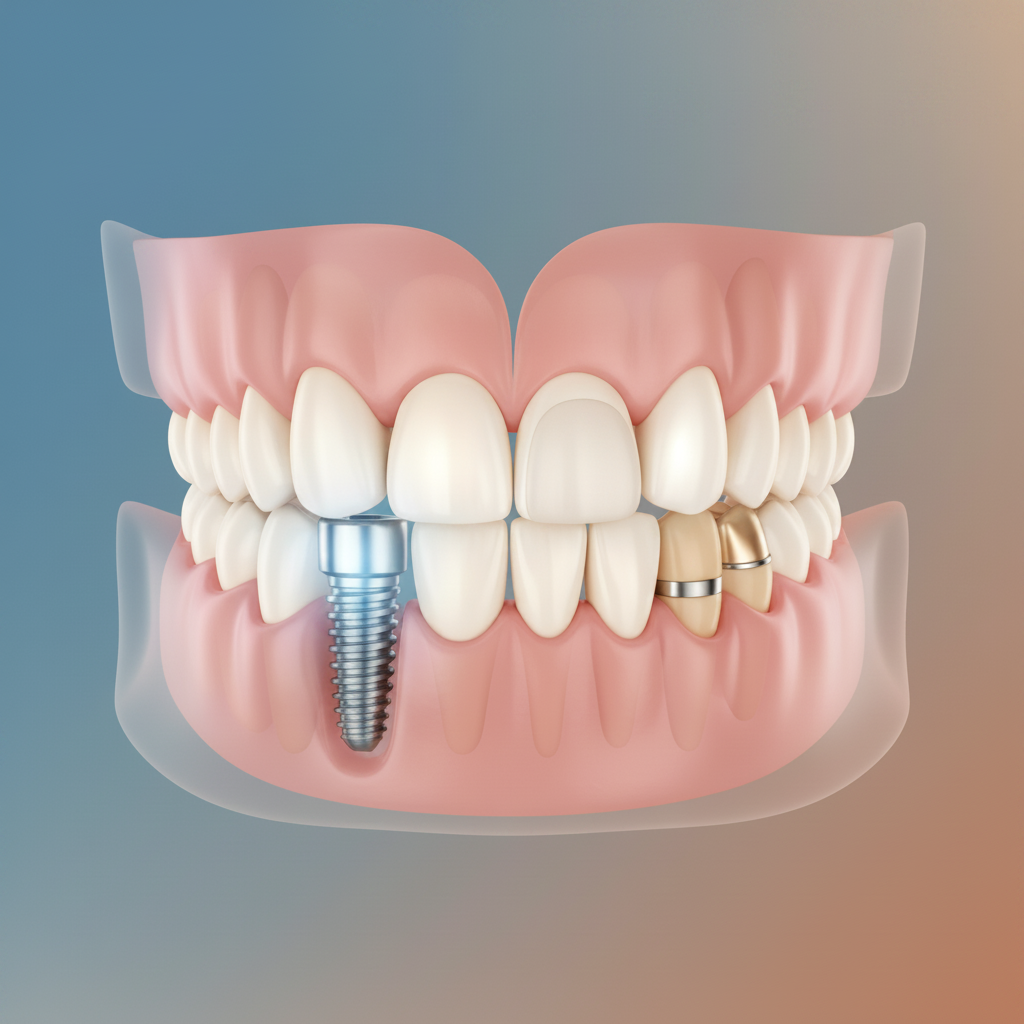
Understanding Full Mouth Restoration NZ
Full mouth restoration is not a one-size-fits-all solution; instead, it’s a highly individualised treatment plan crafted by a skilled dental team. It integrates various dental specialities, including restorative dentistry, periodontics, orthodontics, and cosmetic dentistry, to achieve optimal function, health, and aesthetics. The primary goal is to restore the integrity of the entire oral system, encompassing the teeth, gums, and bite, ensuring long-term stability and comfort.
Patients who typically benefit from full mouth restoration often present with multiple complex dental issues. These can include extensive tooth decay, multiple missing teeth, severely worn teeth due to bruxism (teeth grinding) or acid erosion, gum disease, temporomandibular joint (TMJ) disorders, or congenital dental defects. The process begins with a thorough diagnostic examination, involving detailed X-rays, 3D scans, dental impressions, and a comprehensive assessment of the patient’s bite and jaw structure. This initial phase is vital for creating a precise treatment plan tailored to the individual’s specific needs and goals.
Who Needs Full Mouth Restoration?
Identifying the right candidates for full mouth restoration involves a careful evaluation of the patient’s oral health condition. This procedure is typically recommended for individuals experiencing widespread dental problems that affect both the function and aesthetics of their smile.
Common indicators that someone might require a full mouth restoration include:
- Multiple Missing Teeth: Loss of several teeth due to decay, trauma, or periodontal disease significantly impacts chewing ability and overall oral structure.
- Severely Damaged or Decayed Teeth: Teeth that are extensively cracked, chipped, fractured, or riddled with large cavities often necessitate more than simple fillings or single crowns.
- Worn-Down Teeth: Chronic teeth grinding (bruxism) or acid erosion can wear down teeth, leading to sensitivity, aesthetic concerns, and bite problems.
- Jaw Pain, Headaches, and Muscle Soreness: These symptoms can be indicative of a misaligned bite (malocclusion) or TMJ disorder, which can be addressed as part of a comprehensive restoration.
- Extensive Gum Disease: Periodontal disease, if advanced, can compromise the supporting structures of the teeth, requiring extensive treatment before restorative work can begin.
- Failed Past Dental Work: Patients with numerous failing fillings, crowns, or bridges that need replacement or revision.
- Congenital Defects: Individuals born with conditions like amelogenesis imperfecta or dentinogenesis imperfecta, which affect tooth development.
The decision to proceed with full mouth restoration is a significant one, requiring commitment from the patient and a highly coordinated approach from the dental team. The benefits, however, can be life-changing, restoring not only a functional and beautiful smile but also improving overall quality of life.
Components of a Full Mouth Restoration
A full mouth restoration plan often combines several advanced dental procedures to achieve its comprehensive goals. The specific treatments included will vary greatly depending on the individual’s diagnostic findings and treatment objectives. Here’s a breakdown of common components:
| Component | Description | Purpose |
|---|---|---|
| Dental Implants | Titanium posts surgically placed into the jawbone to replace missing tooth roots. | Provide a stable foundation for crowns, bridges, or dentures, preventing bone loss and restoring chewing function. |
| Dental Crowns | Caps placed over damaged or weakened teeth to restore their shape, size, strength, and appearance. | Protect compromised teeth, improve aesthetics, and restore bite function. |
| Dental Bridges | Fixed prosthetics used to bridge the gap created by one or more missing teeth, anchored to natural teeth or implants. | Restore missing teeth, maintain facial structure, and prevent remaining teeth from shifting. |
| Veneers | Thin, custom-made shells of tooth-coloured material designed to cover the front surface of teeth. | Improve tooth aesthetics (colour, shape, size), mask imperfections like chips, stains, or gaps. |
| Onlays/Inlays | Indirect restorations used to repair teeth with moderate decay or damage that’s too extensive for a filling but not severe enough for a crown. | Restore the chewing surface and structure of molars and premolars. |
| Periodontal Treatment | Procedures like scaling, root planing, and gum surgery to treat gum disease. | Ensure healthy gum tissue foundation before restorative work, preventing future complications. |
| Orthodontics | Braces or clear aligners to correct misaligned teeth or bite issues. | Optimise tooth position and bite alignment, creating space for restorations and improving long-term stability. |
| Root Canal Therapy | Treatment to remove infected pulp from inside a tooth to save it from extraction. | Eliminate infection and pain, preserving the natural tooth structure. |
| Denture/Partial Denture | Removable appliances to replace multiple missing teeth or an entire arch of teeth. | Restore chewing function and aesthetics, typically as a more affordable or temporary solution. |
Each of these components plays a vital role in reconstructing a healthy and functional smile. The selection and sequence of these treatments are carefully planned by the dental professional to ensure a cohesive and effective outcome. For many patients, the process involves multiple phases over several months, or even longer, depending on the complexity of their case and the body’s healing time, especially with procedures like dental implant procedures.
The Full Mouth Restoration Process: A Step-by-Step Overview
Embarking on a full mouth restoration journey requires a structured approach, typically involving several key stages:
- Initial Consultation and Comprehensive Examination: This crucial first step involves a thorough assessment of your oral health. The dentist will examine your teeth, gums, jaw, and bite. Advanced diagnostic tools such as digital X-rays, 3D CT scans, and intraoral cameras will be used to gather detailed information. Impressions of your teeth will also be taken to create models for analysis.
- Diagnosis and Treatment Planning: Based on the comprehensive examination, your dental team will diagnose all existing issues. A customised treatment plan will then be developed, outlining the recommended procedures, their sequence, estimated timelines, and associated costs. This plan is discussed in detail with you, ensuring you understand every aspect and have the opportunity to ask questions.
- Preparatory Procedures: Before definitive restorations can be placed, any underlying issues must be addressed. This might include:
- Periodontal Treatment: Cleaning and scaling to treat gum disease, potentially including gum surgery to ensure healthy gum tissue.
- Tooth Extractions: Removing any teeth that are beyond repair or compromised.
- Bone Grafting/Sinus Lifts: If dental implants are part of the plan and there isn’t sufficient jawbone density, these procedures may be necessary to build up bone.
- Orthodontics: If significant bite correction or tooth alignment is needed, braces or clear aligners might be used in this preparatory phase.
- Root Canal Therapy: Treating any infected teeth to save them from extraction.
- Restorative Phase: This is where the actual rebuilding of your teeth begins. Procedures may include:
- Dental Implant Placement: Surgical insertion of titanium posts into the jawbone. A healing period (osseointegration) of several months is usually required before the final restorations can be attached.
- Crown and Bridge Preparations: Shaping existing teeth to accommodate crowns or bridges.
- Veneer Placement: Bonding custom-made porcelain veneers to the front surface of teeth.
- Inlays/Onlays: Placing indirect restorations to repair specific areas of teeth.
- Final Restorations and Adjustment: Once all preparatory and initial restorative work is complete and healing has occurred, the final crowns, bridges, dentures, or implant-supported prosthetics are fabricated and placed. This stage involves precise adjustments to ensure a comfortable, functional, and aesthetically pleasing bite.
- Follow-Up and Maintenance: After the restoration is complete, regular follow-up appointments are crucial. Your dental team will provide specific instructions on how to care for your new smile, including oral hygiene practices and dietary recommendations. Long-term maintenance and regular check-ups are essential to protect your investment and ensure the longevity of your full mouth restoration.
The entire process can take anywhere from several months to over a year, depending on the complexity and the number of procedures involved. Patience and commitment to the treatment plan are key to achieving the best possible outcome.
Benefits of Full Mouth Restoration
The impact of a successful full mouth restoration extends far beyond just improving the appearance of your teeth. It delivers a multitude of significant benefits that can profoundly enhance a patient’s quality of life.
- Restored Chewing Function: One of the most immediate and impactful benefits is the ability to chew and eat a wide variety of foods comfortably and efficiently. This improves digestion and overall nutrition.
- Enhanced Aesthetics: A complete smile makeover can dramatically improve the appearance of your teeth, enhancing facial symmetry and boosting self-confidence. Stained, crooked, or missing teeth are replaced with natural-looking restorations.
- Improved Speech: Missing teeth or an improper bite can affect speech clarity. Full mouth restoration can correct these issues, allowing for clearer articulation.
- Alleviated Pain and Discomfort: Addressing issues like TMJ disorders, worn teeth, or chronic decay can eliminate persistent pain, headaches, and jaw discomfort.
- Better Oral Health: By treating gum disease, replacing damaged teeth, and correcting bite issues, the overall health of your mouth significantly improves, reducing the risk of future dental problems.
- Increased Self-Confidence: A healthy, attractive smile can have a profound psychological impact, leading to greater confidence in social and professional interactions.
- Long-Term Durability: With proper care and maintenance, full mouth restorations are designed to be highly durable and long-lasting, providing a sustainable solution to complex dental problems.
Considering Full Mouth Restoration from New Zealand
For many individuals in New Zealand, the cost and accessibility of extensive dental treatments like full mouth restoration can be significant barriers. This has led many to explore options overseas, where high-quality dental care can be found at more competitive prices. Countries like Turkey have emerged as leading destinations for dental tourism, offering state-of-the-art facilities, experienced dental professionals, and comprehensive treatment packages.
When considering international dental care for a procedure as extensive as full mouth restoration, it is vital to research clinics thoroughly, ensure they meet international standards of care, and understand all aspects of the treatment plan, including aftercare and follow-up. While the initial journey may seem daunting, the potential for significant savings combined with excellent clinical outcomes makes it an attractive option for many patients seeking to restore their smile and oral health. It is important to discuss all concerns with your chosen clinic and ensure clear communication regarding expectations and logistical arrangements. More information on comprehensive dental rehabilitation can be found on authoritative medical resources, such as Wikipedia’s Oral and Maxillofacial Surgery section, which provides a broad overview of related surgical interventions.
Full mouth restoration is an investment in your health and quality of life. It’s a complex but incredibly rewarding journey that can transform not only your smile but also your ability to eat, speak, and interact with the world with renewed confidence. By understanding the process and engaging with experienced dental professionals, patients can achieve a lasting and beautiful result.