Teeth Whitening NZ – How It Works
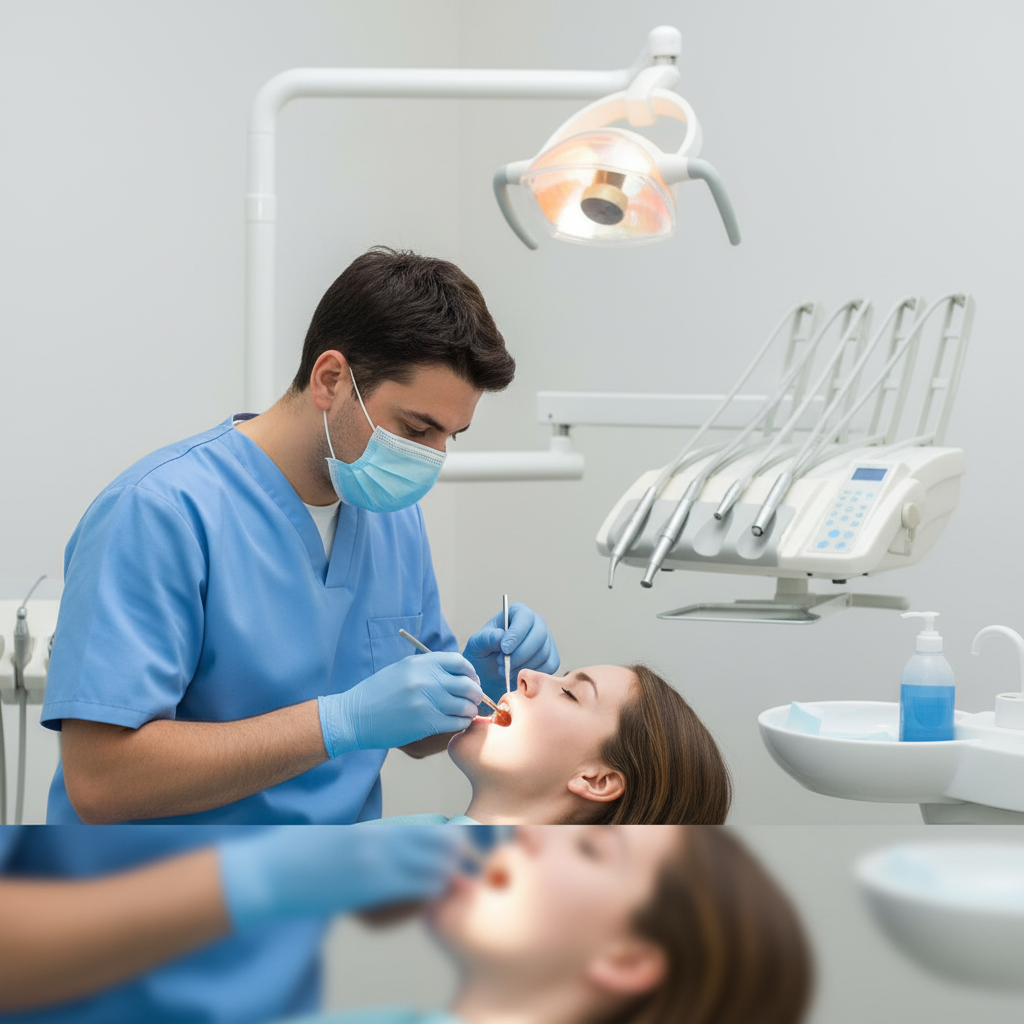
1. In-Chair (In-Office) Professional Whitening:
Teeth Whitening NZ – How It Works
A radiant, confident smile can be one of our most striking features, and for many New Zealanders, achieving a brighter smile is a priority. Teeth whitening has emerged as a popular cosmetic dental procedure that effectively removes stains and discolouration, revealing a more luminous appearance. While the desire for whiter teeth is universal, understanding the science, procedures, and options available for teeth whitening is crucial for safe and effective results. This comprehensive guide will delve into how teeth whitening works, the various methods offered in New Zealand, and what you can expect from the process.
Understanding Tooth Discolouration and How Whitening Helps
Our teeth, though strong, are porous and can absorb pigments from the foods and drinks we consume over time. This leads to surface stains, often referred to as extrinsic stains. Beyond extrinsic factors, teeth can also discolour due to intrinsic factors, which affect the internal structure of the tooth.
Extrinsic stains are typically caused by:
- Diet: Coffee, tea, red wine, dark berries, and highly pigmented foods.
- Tobacco Use: Smoking and chewing tobacco cause significant staining.
- Poor Oral Hygiene: Inadequate brushing and flossing allow plaque and tartar to build up, attracting stains.
Intrinsic stains, which are harder to remove with conventional whitening, can result from:
- Age: The enamel thins over time, revealing the naturally yellowish dentin underneath.
- Trauma: Injury to a tooth can cause internal bleeding and discolouration.
- Medications: Certain antibiotics (like tetracycline taken during tooth development) or excessive fluoride intake can cause permanent intrinsic stains.
- Genetics: Some individuals naturally have darker or yellower teeth.
Teeth whitening primarily targets extrinsic stains and, to a lesser extent, can improve the appearance of some intrinsic stains by lightening the tooth structure. The active ingredients in most whitening products are hydrogen peroxide or carbamide peroxide. These agents penetrate the porous enamel and break down the discoloured molecules into smaller, less concentrated particles, making the tooth appear lighter.
Types of Professional Teeth Whitening Options in New Zealand
When considering teeth whitening in NZ, professional options offered by a dental clinic generally yield the most significant and safest results compared to over-the-counter products. These methods are supervised by a dentist, ensuring the procedure is tailored to your specific needs and oral health.
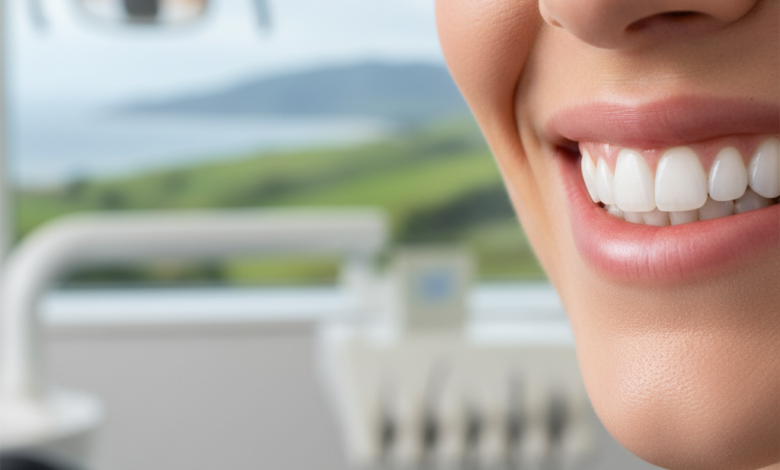
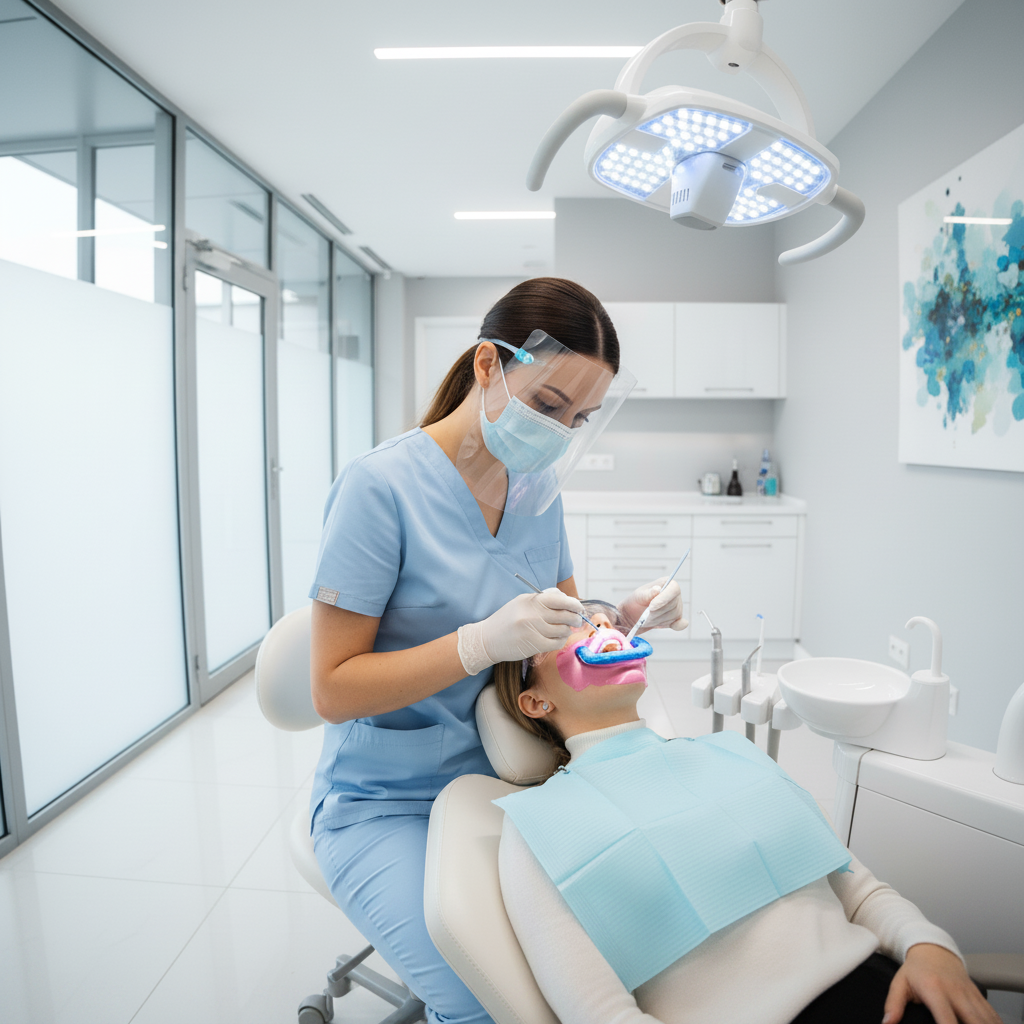
This is the fastest and most effective way to whiten teeth, typically achieving dramatic results in a single visit. The process involves:
- Initial Assessment: The dentist will examine your teeth and gums to ensure you are a suitable candidate for whitening. This includes checking for cavities, gum disease, or other issues that might contraindicate the procedure. A shade guide is used to determine your current tooth colour.
- Preparation: Your lips and gums are carefully protected with a barrier (often a liquid dam or resin) to prevent the whitening agent from irritating soft tissues.
- Application of Whitening Gel: A high concentration hydrogen peroxide gel (typically 15-40%) is applied directly to the tooth surfaces.
- Activation (Optional): In some systems, a special light (LED, laser, or UV) is used to activate the whitening gel, though research suggests the light itself does not significantly enhance the whitening effect but rather speeds up the breakdown of the peroxide.
- Multiple Sessions: The gel is usually left on for 15-20 minutes, then removed, and a fresh layer is applied. This process is repeated 2-3 times during the same appointment.
- Post-Procedure: After the final application, the gel is removed, and the protective barriers are taken off. Your teeth will immediately appear several shades lighter.
2. Professional Take-Home Whitening Kits:
These kits provide professional-grade results that can be achieved more gradually in the comfort of your home, under the guidance of your dentist. The process typically involves:
- Custom Tray Creation: The dentist takes impressions of your teeth to create custom-fitted whitening trays. These trays are crucial as they ensure the whitening gel has maximum contact with your teeth and prevent it from leaking onto your gums.
- Prescription Whitening Gel: You receive a supply of professional strength carbamide peroxide gel (typically 10-22%) or hydrogen peroxide gel (around 6-9%). The dentist will instruct you on how much gel to use and how to apply it to the trays.
- At-Home Application: You wear the trays for a specified period each day (e.g., 30 minutes to a few hours, or overnight) for 1-2 weeks, or until the desired shade is reached.
- Monitoring: Your dentist will schedule follow-up appointments to monitor your progress and address any concerns.
The Science Behind Teeth Whitening NZ: How Peroxide Works
At the core of professional teeth whitening is the chemical reaction initiated by peroxide-based agents. Both hydrogen peroxide (H2O2) and carbamide peroxide (CH6N2O3) work by releasing free radicals.
Carbamide peroxide breaks down into hydrogen peroxide (approximately one-third of its concentration) and urea. Hydrogen peroxide then decomposes into water and oxygen molecules. These highly reactive oxygen molecules penetrate the enamel and dentin, reaching the stained molecules within the tooth structure. The oxygen breaks the chemical bonds that hold these chromogens (colour molecules) together, effectively fragmenting them into smaller, colourless particles. This process, known as oxidation, scatters the light within the tooth differently, making the teeth appear lighter and brighter.
The effectiveness depends on the concentration of the peroxide, the duration of contact, and the type of stains present. Professional treatments use higher concentrations under controlled conditions, allowing for more rapid and profound changes compared to over-the-counter options.
Factors Influencing Whitening Results and Longevity
The success and duration of your teeth whitening results can vary based on several factors:
- Type and Severity of Stains: Extrinsic stains generally respond very well, while intrinsic stains from trauma or medication are more resistant and may require alternative treatments like veneers.
- Initial Tooth Shade: Individuals with naturally yellowish teeth often achieve better results than those with greyish tones.
- Lifestyle Habits: Continued consumption of staining foods/drinks and tobacco use will cause new stains to accumulate, diminishing the whitening effect over time.
- Oral Hygiene: Maintaining excellent oral hygiene, including regular brushing, flossing, and dental check-ups, helps preserve the results.
- Individual Tooth Structure: The porosity and thickness of your enamel can influence how well and how quickly your teeth absorb the whitening agent.
Typically, professional teeth whitening results can last from six months to two years, depending on the factors listed above. Regular touch-up treatments, especially with take-home kits, can help maintain your desired shade.
Potential Side Effects and Safety Considerations
Teeth whitening, particularly professional treatments, is generally safe when performed under dental supervision. However, some temporary side effects can occur:
- Tooth Sensitivity: This is the most common side effect, often experienced during or immediately after treatment. It occurs as the peroxide penetrates the enamel and irritates the nerves in the dentin. Sensitivity is usually temporary and resolves within a few days. Your dentist might recommend desensitizing toothpaste or gels.
- Gum Irritation: If the whitening gel comes into contact with the gums, it can cause temporary irritation, redness, or burning. Professional treatments use protective barriers to minimise this risk.
- Uneven Whitening: Fillings, crowns, and veneers do not whiten. If you have existing dental restorations in visible areas, these may stand out against your newly whitened natural teeth. Your dentist can discuss options for replacing these restorations to match your new tooth shade if desired.
It’s crucial to consult a dental professional before embarking on any whitening regimen, especially if you have pre-existing dental conditions like gum disease, exposed roots, or numerous fillings. A dentist can assess your oral health, determine the most appropriate and safest whitening method, and manage any potential side effects.
Maintaining Your Brighter Smile
Once you’ve achieved your desired whiteness, maintenance is key to prolonging the results:
- Excellent Oral Hygiene: Brush twice daily and floss once daily to prevent new stain accumulation. Consider using a whitening toothpaste designed for maintenance (non-abrasive).
- Dietary Awareness: Limit consumption of highly staining foods and beverages. If you do consume them, rinse your mouth with water afterward or use a straw for drinks.
- Avoid Tobacco: Quitting smoking or chewing tobacco will significantly help maintain your white smile and improve overall oral health.
- Regular Dental Check-ups and Cleanings: Professional cleanings remove extrinsic stains and tartar build-up that at-home brushing cannot.
- Touch-Up Treatments: Your dentist may recommend periodic touch-up treatments using your custom take-home trays and a milder whitening gel to refresh your smile.
Choosing the Right Teeth Whitening NZ Option for You
With various options available, deciding on the best teeth whitening method can feel overwhelming. The most crucial first step is to schedule a consultation with a qualified dental professional in New Zealand. They can assess your individual oral health, discuss your aesthetic goals, and recommend the most effective and safest approach for your unique situation. Whether you opt for rapid in-chair whitening or a gradual take-home system, professional guidance ensures you achieve a brighter, healthier smile that you can confidently show off. Investing in professional teeth whitening is an investment in your smile and your self-confidence, delivering results that are both aesthetically pleasing and long-lasting. Further scientific details on tooth whitening can be found on authoritative medical resources. Wikipedia provides a comprehensive overview of tooth bleaching, including its mechanisms and history.