Composite Bonding Cost NZ Explained
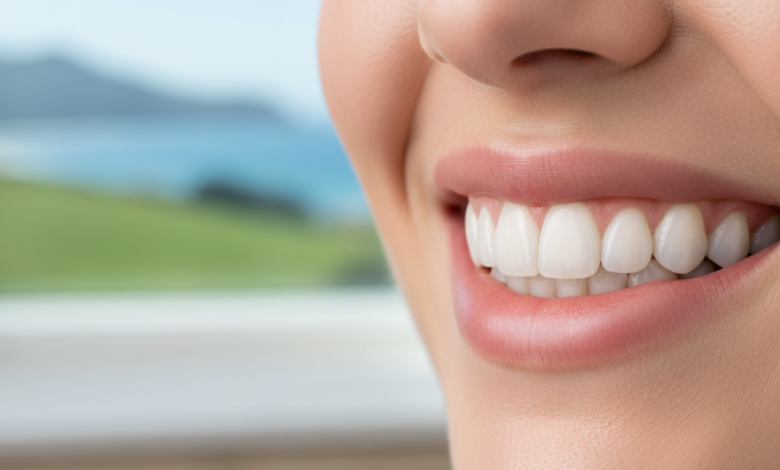
Composite bonding, also known as dental bonding or cosmetic bonding, is a popular and versatile dental procedure designed to improve the appearance of teeth. It involves the application of a tooth-coloured composite resin material directly to the tooth surface. This material is then meticulously sculpted by the dentist to achieve the desired shape and contour, hardened with a special light, and finally polished to blend seamlessly with your natural tooth enamel. The primary goal is to enhance the aesthetics of your smile in a conservative manner.
Composite Bonding Cost NZ Explained: For many New Zealanders seeking to enhance their smile without extensive or invasive procedures, composite bonding offers an appealing solution. This cosmetic dental treatment can effectively address a variety of aesthetic concerns, from chipped teeth and minor gaps to discolouration, by skilfully applying a tooth-coloured resin to the affected areas. While the appeal of a brighter, more uniform smile is universal, understanding the financial investment involved is a crucial first step. This comprehensive guide aims to demystify the cost of composite bonding in New Zealand, breaking down the factors that influence pricing, what the procedure entails, and how it compares to alternative cosmetic treatments, positioning you to make an informed decision about your dental health and aesthetics.
Understanding Composite Bonding: A Smile Transformation Overview
This minimally invasive treatment is suitable for a wide range of cosmetic imperfections. Common applications include repairing chipped or cracked teeth, closing small gaps between teeth, making teeth appear longer, changing the shape of teeth, or improving the colour of discoloured teeth. Unlike more extensive treatments such as porcelain veneers or crowns, composite bonding often requires minimal to no removal of the original tooth structure, preserving the integrity of your natural enamel. This makes it an attractive option for those seeking significant aesthetic improvement with a less aggressive approach.
Factors Influencing Composite Bonding Cost NZ
The cost of composite bonding in New Zealand is not fixed and can vary considerably depending on several crucial factors. Typically, prices can range from a few hundred to over a thousand New Zealand dollars per tooth. Understanding these variables is key to estimating your potential investment and ensuring transparency with your chosen dental provider.
Treatment Scope and Dentist’s Expertise
The most significant determinants of cost are the number of teeth requiring treatment and the complexity of the desired outcome. Correcting a small chip on a single front tooth will naturally be less expensive than extensive bonding work across multiple teeth to reshape your entire smile or close larger gaps. Additionally, the skill and experience of the dental professional play a critical role. Highly experienced cosmetic dentists, particularly those with an established reputation for aesthetic precision and artistry, may charge more for their expertise. Their ability to deliver superior, natural-looking results often reflects in their pricing, but can also lead to greater patient satisfaction and longevity of the work.
Material Quality and Clinic Specifics
The quality and type of composite resin material used can also impact the overall expense. Premium composite resins are often more durable, offer superior aesthetic qualities (such as better colour stability and translucency), and can be more challenging to work with, thus potentially increasing the cost. Furthermore, the location and operational overheads of the dental clinic itself contribute to the pricing structure. Practices situated in prime urban areas, or those that invest in state-of-the-art technology and advanced patient amenities, might have higher service fees. However, these factors often correlate with a higher standard of care and an enhanced patient experience.
To provide a clearer overview, here’s a general breakdown of the elements that commonly influence the final Composite Bonding Cost NZ:
| Factor | Description | Impact on Cost |
|---|---|---|
| Number of Teeth Treated | Each tooth typically incurs its own cost; more teeth mean a higher total. | Directly proportional |
| Extent of Restoration | Minor repairs (e.g., small chip) vs. significant reshaping or gap closure. | Higher complexity = higher cost |
| Dentist’s Experience | Highly skilled cosmetic dentists with extensive training and portfolio. | Higher experience = potentially higher cost |
| Clinic Location & Reputation | Practices in metropolitan areas or those known for specialist cosmetic work. | Urban/renowned clinics = potentially higher cost |
| Composite Resin Material | Use of advanced, high-aesthetic, and durable resin systems. | Higher quality materials = higher cost |
| Ancillary Procedures | Includes pre-treatment cleaning, X-rays, or minor preparatory work. | Can add to the overall investment |
The Step-by-Step Composite Bonding Procedure
One of the appealing aspects of composite bonding is its relatively straightforward and efficient process. In most cases, the treatment can be completed in a single dental appointment, making it a convenient option for busy individuals seeking immediate aesthetic improvements.
Initial Consultation and Tooth Preparation
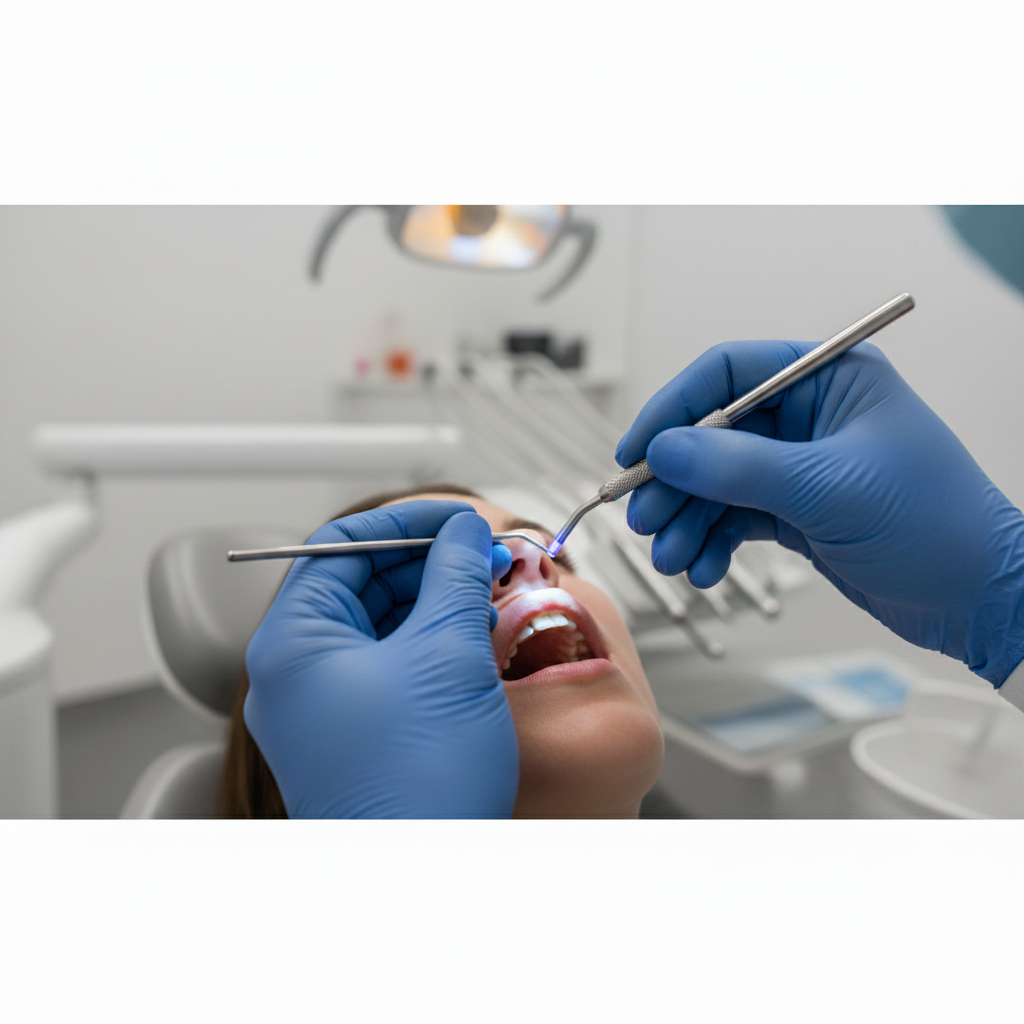
Your journey begins with a comprehensive consultation where your dentist will assess your oral health, discuss your smile goals, and determine if composite bonding is the most appropriate solution. Digital imaging and X-rays may be utilised to aid in planning. Once the treatment plan is finalised, your dentist will meticulously select a shade of composite resin that perfectly matches your natural tooth colour, ensuring the most natural-looking result. Unlike treatments such as veneers or crowns, minimal to no tooth preparation is typically required for bonding. In many instances, the procedure can be performed without local anaesthesia, unless the bonding is being used to fill a decayed tooth or if the chip is very close to a nerve. The tooth surface is then gently etched using a mild phosphoric acid gel. This creates a microscopic roughened surface, which is essential for the bonding material to securely adhere.
Application, Shaping, and Curing
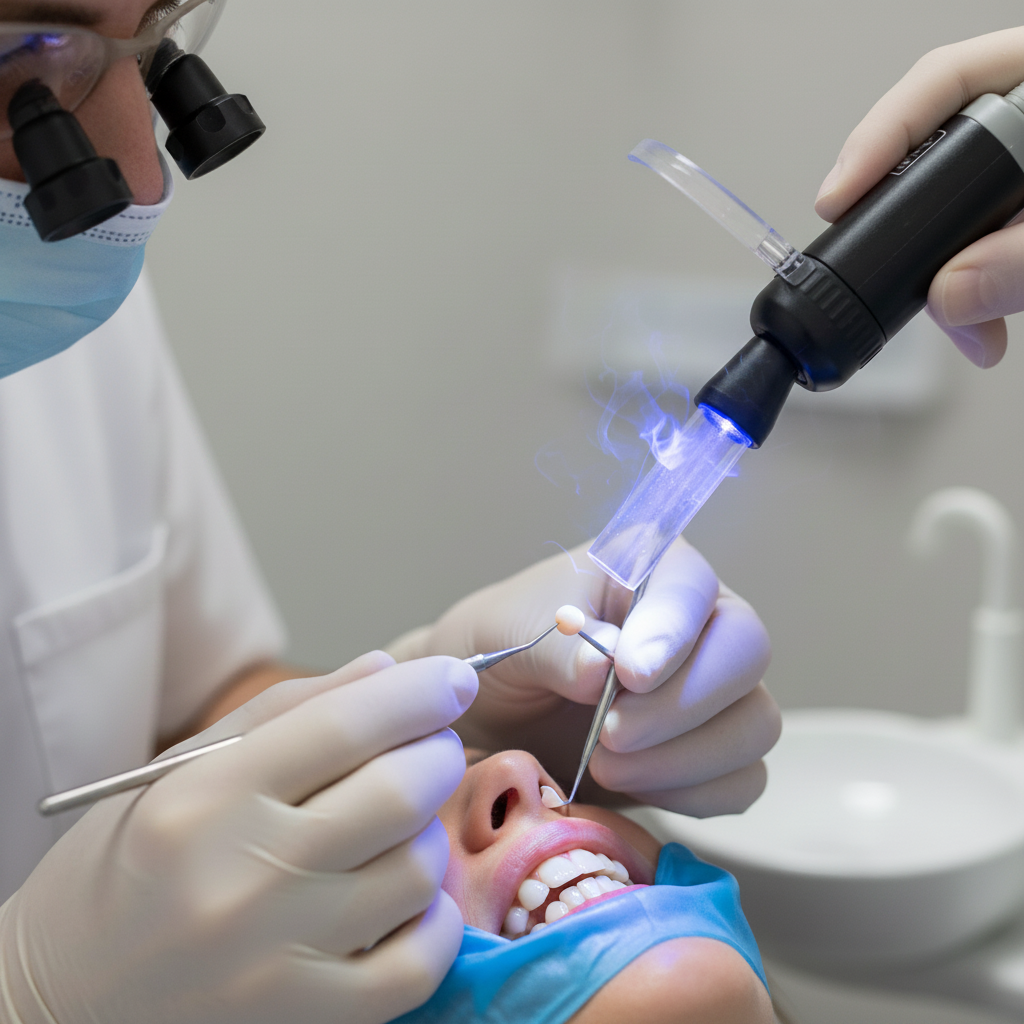
Following the etching, a conditioning liquid, or bonding agent, is applied to the tooth. This agent acts as an adhesive, further enhancing the bond between your natural tooth and the composite resin. The tooth-coloured resin, which has a malleable, putty-like consistency, is then applied to the tooth. This stage is where the dentist’s artistic skill becomes paramount. They will carefully sculpt and mould the resin, meticulously correcting imperfections, filling gaps, or altering the tooth’s shape to achieve the desired aesthetic outcome. Once the resin is perfectly shaped, a special high-intensity curing light is directed at the tooth. This light causes the composite resin to harden almost instantaneously, forming a strong, durable bond with the natural tooth structure.
Key Benefits and Longevity of Composite Bonding
Composite bonding stands out as a highly advantageous cosmetic dental treatment due to its unique combination of aesthetic excellence, conservative nature, and economic viability. These benefits make it a preferred choice for many seeking significant smile improvements.
Aesthetics, Preservation, and Affordability
The primary advantage of composite bonding is its ability to deliver stunningly natural aesthetic results. The resin material can be precisely colour-matched to your existing teeth, ensuring that the bonded areas blend seamlessly and are virtually indistinguishable from your natural smile. Furthermore, it is a remarkably minimally invasive procedure. This means that little to no healthy tooth structure needs to be removed or altered, preserving your natural enamel – a significant long-term benefit for tooth health. Compared to more extensive cosmetic solutions like porcelain veneers or crowns, composite bonding is generally more affordable, making a beautiful smile accessible to a wider demographic in New Zealand. The treatment is also typically completed in a single dental visit, offering immediate and satisfying results.
Maintaining Your Bonded Smile
The longevity of composite bonding varies but generally ranges from 5 to 10 years, with some cases lasting even longer with diligent care. Factors influencing its durability include the location of the bonding (front teeth bonding may last longer than in areas of high chewing stress), your oral hygiene practices, and dietary habits. To ensure the longest possible lifespan for your bonded teeth, it is crucial to maintain an excellent oral hygiene routine, including brushing twice daily with a non-abrasive toothpaste and flossing regularly. Avoiding habits such as biting on hard objects (e.g., ice, pens, fingernails) and limiting consumption of highly staining foods and beverages (e.g., coffee, tea, red wine) can help preserve the aesthetic quality and integrity of your bonding. Regular dental check-ups and professional cleanings are also indispensable for monitoring the condition of your bonding and addressing any potential issues proactively.
Composite Bonding Alternatives: A Comparative Look
While composite bonding is a fantastic option for many cosmetic concerns, it’s essential to understand its position relative to other aesthetic dental treatments. Comparing it with alternatives like dental veneers and crowns helps in making an informed decision about the best solution for your unique smile.
Veneers, Crowns, and Their Differences
Dental Veneers: Both composite bonding and veneers aim to enhance the front surface of teeth. Porcelain veneers are custom-fabricated, thin shells of ceramic that are bonded to the entire front surface of a tooth. They offer superior durability, exceptional stain resistance, and a highly uniform, aesthetic appearance that can last 10-15 years or more. However, porcelain veneers are more expensive and typically require irreversible removal of a small amount of natural tooth enamel, making them a more invasive procedure. If you are exploring the financial commitment for this alternative, understanding how much do veneers cost in New Zealand can provide valuable context. Composite veneers, a form of direct bonding, are also an option, created directly on the tooth like traditional bonding but covering a larger surface area, offering a middle ground in terms of cost and invasiveness between direct bonding and porcelain veneers.
Dental Crowns: Dental crowns, or “caps,” are a more comprehensive restorative treatment. They are used when a tooth has suffered significant damage due to large cavities, severe fractures, extensive wear, or after a root canal procedure. A crown completely encases the entire visible portion of the tooth, providing substantial strength, protection, and restoring its original shape and function. Crowns require considerable tooth reduction and are generally the most invasive and expensive option among these. While they offer aesthetic benefits, their primary role is structural restoration and protection, making them distinct from the primarily cosmetic application of composite bonding.
Ultimately, the selection between composite bonding, veneers, or crowns hinges on the specific nature and extent of your dental concerns, your aesthetic goals, your budget, and the long-term outcomes you desire. Your dentist will conduct a thorough assessment and discuss the most appropriate treatment plan tailored to your individual needs.
The realm of cosmetic dentistry continually advances, presenting an array of sophisticated options for achieving your desired smile. Composite bonding, distinguished by its efficacy, minimal invasiveness, and comparative affordability, remains a vital and popular treatment for those seeking noticeable enhancements without undergoing extensive intervention. For deeper scientific context on the materials and methodologies involved in dental bonding, reputable sources like Wikipedia provide detailed insights into Dental Bonding.
Making an informed decision about your dental treatment is a process that involves carefully weighing the benefits, potential limitations, and financial investment. In New Zealand, esteemed dental clinics offer comprehensive consultations where you can openly discuss your cosmetic aspirations, receive a precise quote for composite bonding, and gain a clear understanding of the expected outcomes. Investing in your smile transcends mere aesthetics; it is an investment in your self-confidence, oral health, and overall well-being. By partnering with a qualified and experienced dental professional, you can ensure that your composite bonding treatment not only meets your aesthetic desires but also contributes positively to your long-term dental health.