How to Save Money on Dental Care NZ
Edited and fact-checked by our editorial team.
How to Save Money on Dental Care NZ
Navigating the costs of dental care in New Zealand can be a significant concern for many individuals and families. With dental treatments often coming with a hefty price tag, it’s understandable that many Kiwis seek effective strategies to mitigate these expenses without compromising their oral health. This comprehensive guide aims to shed light on the various avenues available to reduce your dental outgoings, from proactive prevention to exploring different treatment models, ensuring you maintain a healthy smile without breaking the bank.

Understanding the Landscape of Dental Costs in New Zealand
New Zealand’s dental care system operates differently from some other healthcare sectors, where general medical services are often heavily subsidised or free. For adults, most dental treatments are not covered by the public health system, leading to significant out-of-pocket expenses. The public dental system primarily caters to children and adolescents up to their 18th birthday, along with certain emergency services and specific high-needs groups. This means that once individuals reach adulthood, they are largely responsible for the full cost of their dental care, whether it’s a routine check-up, a filling, or more complex procedures like root canals or dental implants.
Several factors contribute to the high cost of dental care in NZ. These include the specialised training required for dentists, the advanced technology and materials used in modern dentistry, and the operational costs of running a dental practice. When you factor in the lack of universal public funding for adult dental care, it becomes clear why many New Zealanders find dental expenses challenging. Understanding this landscape is the first step towards developing a smart strategy for managing your dental budget effectively.
Proactive Prevention: The Ultimate Way to Save Money on Dental Care NZ
The adage “prevention is better than cure” holds immense truth, especially when it comes to dental health. Investing time and minimal cost into preventive measures is arguably the most effective way to Save Money on Dental Care NZ in the long run. By maintaining excellent oral hygiene and attending regular check-ups, you can significantly reduce the likelihood of developing more serious and expensive dental problems down the line.
- Daily Oral Hygiene: This is the cornerstone of preventive care. Brushing twice a day with fluoride toothpaste and flossing daily removes plaque and food particles, preventing cavities and gum disease. Choosing an electric toothbrush can enhance cleaning efficiency, while interdental brushes can target hard-to-reach areas. The cost of a toothbrush, toothpaste, and floss is minimal compared to the price of a filling, root canal, or gum disease treatment.
- Regular Dental Check-ups and Cleanings: Visiting your dentist for routine check-ups and professional cleanings, typically every six to twelve months, is crucial. During these appointments, your dentist can identify early signs of problems like small cavities or gingivitis before they escalate into more complex issues. Early detection means simpler, less invasive, and much cheaper treatments. A professional cleaning removes hardened plaque (calculus) that brushing alone cannot, preventing gum disease and maintaining overall oral health.
- Dietary Habits: Limiting sugary foods and drinks is vital. Sugars feed oral bacteria, which produce acids that erode tooth enamel, leading to cavities. Opting for a balanced diet rich in fruits, vegetables, and whole grains, and drinking plenty of water, supports strong teeth and gums. Snacking frequently also exposes your teeth to more acid attacks, so try to limit snacking and rinse your mouth with water after eating.
- Protective Measures: If you play contact sports, wearing a custom-fitted mouthguard can prevent costly dental injuries like chipped, broken, or knocked-out teeth. Similarly, if you grind your teeth at night (bruxism), a nightguard can protect your enamel from wear and tear, saving you from potential future restorative work.
By committing to these preventive strategies, you empower yourself to keep your teeth healthy and avoid the need for extensive and costly dental interventions.
Navigating Public and Private Dental Care in New Zealand
Understanding the distinctions between public and private dental services is key to managing costs. As mentioned, public dental care for adults is limited, but it’s important to know what might be available.
Public Dental Services for Adults
While general adult dental care is largely private, the public health system does provide some limited services:
- Emergency Dental Care: For acute pain, infections, or trauma, public hospitals or designated emergency dental clinics may offer immediate relief or stabilisation. However, these services are typically for urgent situations and do not cover comprehensive treatment.
- Special Needs Grants: In cases of extreme hardship, individuals might be eligible for a “Special Needs Grant” from Work and Income for urgent dental work. This is assessed on a case-by-case basis and requires meeting strict eligibility criteria.
- Community Oral Health Services: These primarily focus on children and adolescents up to 17 years old, offering free check-ups, fillings, and extractions. For those transitioning into adulthood, maximising these free services before turning 18 is a smart financial move.
Private Dental Care Options
The vast majority of adult dental care in New Zealand is provided through private practices. While these come with a fee, they offer a wider range of services, greater flexibility in appointments, and often more advanced treatment options. To mitigate costs in the private sector:
- Shop Around: Dental fees can vary significantly between practices. It’s perfectly acceptable to call several clinics, inquire about their pricing for common procedures (e.g., check-up, cleaning, filling), and compare.
- Ask for Treatment Plans and Estimates: Before any major work begins, request a detailed treatment plan outlining the procedures, associated costs, and payment schedule. This transparency allows you to budget effectively and avoid surprises.
- Consider Dental Payment Plans: Many private practices offer interest-free payment plans or partnerships with third-party financing providers, allowing you to spread the cost of treatment over several months. This can make larger treatments more manageable. You can learn more about these options here: How to Reduce Dental Costs in NZ.
Financial Strategies for Reducing Dental Expenses
Beyond prevention and understanding the healthcare system, several financial strategies can help reduce the burden of dental costs.
Dental Insurance in New Zealand
Unlike some other countries, comprehensive dental insurance is not as common or as robust in New Zealand. Most general health insurance policies offer limited dental benefits, often covering only a small portion of routine check-ups or accidental injury. Dedicated dental insurance plans exist, but they often come with waiting periods, annual limits, and may not cover major restorative work or orthodontics. It’s crucial to carefully read the policy’s fine print to understand what is truly covered and if the premiums outweigh the potential benefits for your specific needs. For some, setting aside money in a dedicated savings account for dental emergencies might be a more cost-effective strategy than paying insurance premiums.
Alternative Financing Options
If you require significant dental work, and payment plans through your dentist aren’t sufficient, consider other financing avenues:
- Personal Loans: Banks and credit unions offer personal loans that can cover the cost of dental procedures. Evaluate interest rates and repayment terms carefully.
- Medical Finance Companies: Specialised companies offer financing specifically for medical and dental treatments. These often have different interest rates and repayment structures than standard personal loans.
Dental Tourism: A Growing Trend for Kiwis
Given the high cost of comprehensive dental treatments in New Zealand, a growing number of Kiwis are exploring dental tourism. This involves travelling overseas to countries where quality dental care can be obtained at a lower price. Countries like Turkey have become popular destinations due to their competitive pricing, high-quality clinics, and experienced dentists, often offering packages that include flights and accommodation, particularly for extensive procedures like dental implants, veneers, or full mouth restorations. While this option requires initial travel expenses and research, the overall savings on major dental work can be substantial, making it an attractive consideration for those needing significant treatment. It’s important to research clinics thoroughly, check credentials, and understand the logistics involved.
Planning ahead: savings plans and emergencies
Dental costs are easier to manage when they are expected. Some people set aside a regular amount for dental care, the same way they would for car maintenance. Ask your dentist to rank any recommended treatment by urgency so you can plan the most important work first. It also helps to know in advance where you would go for urgent care: in many areas, after-hours dental services and hospital dental departments can help with severe pain, swelling or trauma, and Healthline (0800 611 116) can give advice at any time. For accident-related dental injuries, ask your dentist whether an ACC claim is appropriate.
Finding lower-cost care without cutting corners
Lower prices do not have to mean lower quality, but they should be explained. Options worth checking include community dental services and low-cost clinics in some regions, and asking practices whether a dental hygienist or oral health therapist can do routine cleaning. Whatever the price, check that the practitioner is registered with the Dental Council of New Zealand and that you receive a written plan and estimate. Some New Zealanders also look at treatment overseas for extensive work. If you are considering this, factor in flights, accommodation, time off work and follow-up care at home, and read our planning guide to dental implants in Turkey before deciding.
Some New Zealanders compare local quotes with treatment overseas. If you are considering this, add travel, time off work and follow-up care at home to the comparison; our planning guide to dental implants in Turkey explains what is involved, and our article on what dental travel packages include and leave out covers the travel side.
See also: financing and payment plans; finding affordable dentists in Hamilton.
Exploring Affordable Treatment Alternatives
When faced with expensive treatment recommendations, it’s worth discussing all possible alternatives with your dentist.
Considering Treatment Options
- Phased Treatment: If you need extensive work, ask your dentist if the treatment can be phased over time. This allows you to spread the cost and prioritise the most urgent issues first.
- Generic vs. Brand-Name Materials: In some cases, there might be options for less expensive materials or techniques that achieve a similar outcome. Discuss these possibilities with your dentist.
- Dental Schools: Universities with dental schools often have clinics where students provide treatment under the close supervision of experienced faculty. These services are typically offered at a significantly reduced cost compared to private practices, though appointment availability might be limited, and treatments could take longer.
- Community Dental Clinics/Charity Services: Some community health centres or charitable organisations may offer low-cost or free dental services to eligible individuals, often those on low incomes or with specific health needs. Eligibility criteria apply, and services might be limited.
| Cost-Saving Strategy | Description | Potential Savings |
|---|---|---|
| Preventive Care | Regular brushing, flossing, healthy diet, annual check-ups. | Avoids costly treatments like fillings, root canals, extractions. |
| Public Services (Eligibility Permitting) | Emergency care, child/adolescent services, Special Needs Grants. | Free or heavily subsidised for eligible groups/situations. |
| Comparing Private Practices | Getting quotes from multiple private dentists for procedures. | Variations in pricing can lead to significant savings. |
| Payment Plans | Interest-free options or third-party financing. | Makes expensive treatments manageable by spreading costs. |
| Dental Tourism | Travelling abroad for major dental work (e.g., Turkey). | Substantial savings on complex procedures (e.g., implants, veneers). |
| Dental Schools / Community Clinics | Student clinics under supervision, or low-cost community services. | Reduced fees, though eligibility and wait times may apply. |
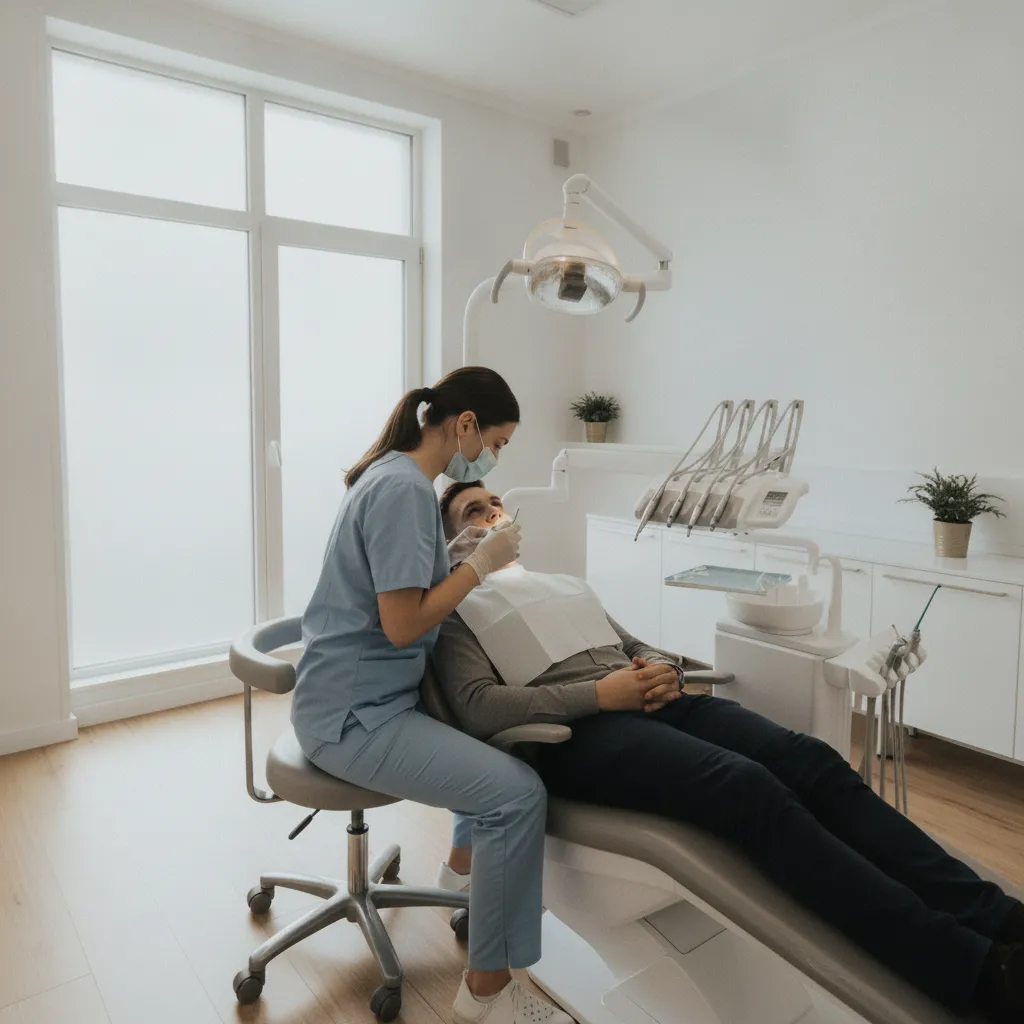
It is always important to ensure that any chosen treatment option, whether local or overseas, prioritises your health and safety. Researching the qualifications of the dental professionals and the standards of the clinic is essential.
Maintaining good oral health is an essential component of overall well-being, and it doesn’t have to be an insurmountable financial challenge in New Zealand. By being proactive with your oral hygiene, understanding the available public and private options, exploring financial strategies, and considering all treatment alternatives, including international options, you can effectively manage and reduce your dental care costs. Remember, the goal is to make informed decisions that keep your smile healthy and your budget intact. For more information on dental costs in New Zealand, you can consult resources like Wikipedia’s overview on Dentistry in New Zealand. A little research and planning can go a long way in ensuring access to the dental care you need without undue financial strain.
Sources
- Health New Zealand | Te Whatu Ora, Dental care
- Work and Income, Dental treatment
- Healthify, Tooth decay