How Long Do Dental Implants Take NZ?
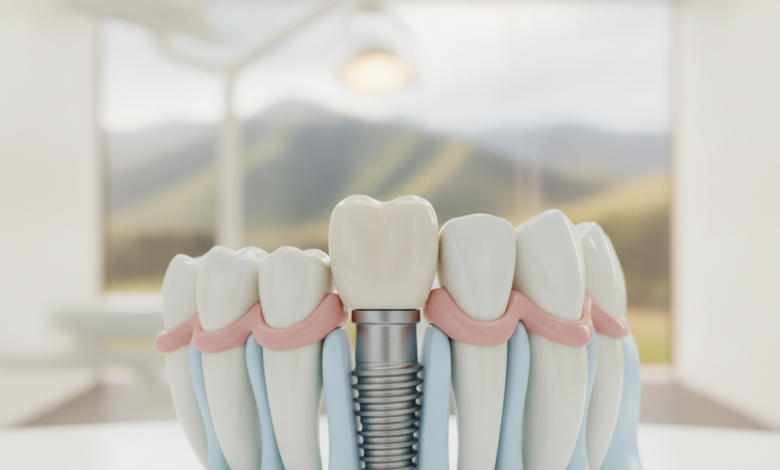
Dental implants are essentially artificial tooth roots, typically made of titanium, that are surgically placed into the jawbone beneath the gum line. These posts then fuse with the bone, creating a strong foundation for replacement teeth. Unlike traditional bridges or dentures, implants do not rely on neighbouring teeth for support and actively prevent bone loss, thereby preserving facial structure and overall oral health. The overall process is generally divided into several phases: initial assessment, any necessary preparatory procedures, implant placement, healing and osseointegration, abutment placement, and finally, the attachment of the custom crown, bridge, or denture.
How Long Do Dental Implants Take NZ? The journey to a fully restored smile with dental implants is a meticulously planned and executed process, often spanning several months. While the idea of a lengthy treatment might seem daunting, understanding each stage and the crucial role it plays in the success and longevity of your new teeth can provide immense reassurance. Dental implants offer a durable and aesthetically pleasing solution for missing teeth, mimicking the root structure of natural teeth and providing unparalleled stability and function. However, their integration with your jawbone requires time, patience, and precise surgical techniques.
Understanding the Dental Implant Process: An Overview
Initial Consultation and Planning
The first and arguably most critical step in the dental implant process is a comprehensive initial consultation. This phase involves a thorough examination of your oral health, including detailed X-rays, 3D computed tomography (CT) scans, and digital impressions. These advanced diagnostic tools allow your dental professional to accurately assess your jawbone density and volume, identify the precise locations of nerves and sinuses, and plan the optimal placement angle and depth of each implant. Your medical history, current medications, and overall health are also meticulously reviewed to ensure you are a suitable candidate for the procedure and to mitigate any potential risks. During this stage, a personalised treatment plan is meticulously developed, outlining every step, estimated timelines, and associated costs, ensuring complete transparency and patient understanding.
Supplemental Procedures (If Needed)
Not every patient possesses sufficient jawbone density or volume to support dental implants immediately. In such instances, supplemental procedures may be necessary to prepare the surgical site and ensure long-term implant success. Common preparatory surgeries include:
- Bone Grafting: If there isn’t adequate bone height or width in the jaw, a bone graft can be performed. This procedure involves adding bone material – which can be sourced from your own body (autogenous graft), a donor (allograft), an animal (xenograft), or synthetic materials (alloplast) – to augment the jawbone. The grafted bone needs a significant healing period, typically ranging from 3 to 9 months, to integrate with your existing bone before implant placement can safely proceed. This healing time is critical for creating a robust foundation.
- Sinus Lift (Sinus Augmentation): For implants intended for the upper jaw, particularly in the molar and premolar regions, the maxillary sinuses can sometimes be too close to the jawbone, leaving insufficient vertical bone for implant placement. A sinus lift procedure gently elevates the sinus membrane and places bone graft material into the newly created space beneath the sinus floor. This adds the necessary bone height for successful implant integration. Healing for a sinus lift can be more extensive, often requiring 4 to 12 months.
- Tooth Extraction with Socket Preservation: If a damaged or diseased tooth needs to be removed prior to implant placement, the extraction site often requires time to heal. To prevent bone resorption (shrinkage) that naturally occurs after tooth removal, a socket preservation technique might be used, where bone graft material is placed into the empty socket immediately after extraction. Depending on the individual case and the extent of preservation, the implant may be placed either immediately after extraction (immediate implant placement) or after several weeks or months of healing (delayed implant placement).
These preparatory steps, while adding to the overall treatment duration, are fundamental to creating a strong and stable environment for the dental implants, significantly contributing to their long-term viability and success.
The Surgical Placement of Dental Implants
Once your jawbone is deemed adequately prepared and healed, the surgical placement of the titanium implant posts can take place. This procedure is typically performed under local anaesthesia, sometimes complemented with conscious sedation for patient comfort and anxiety management. A small incision is made in the gum tissue to expose the underlying bone, and a precise, sterile pilot hole is carefully drilled into the jawbone. This pilot hole is then gradually widened to precisely accommodate the chosen dental implant. The implant itself, resembling a small screw, is then meticulously threaded or tapped into the prepared bone socket. The gum tissue is then either carefully sutured over the implant, allowing it to heal beneath the surface (two-stage approach), or a small healing abutment is attached, protruding through the gum line (one-stage approach).
Immediately after the surgery, patients may experience some swelling, minor bruising, and discomfort in the treated area. These post-operative symptoms are typically managed effectively with prescribed pain medication, cold compresses, and adherence to specific dietary and oral hygiene instructions provided by your dental professional. The crucial next phase, which dictates a significant portion of the overall timeline, is osseointegration.
The Osseointegration Period
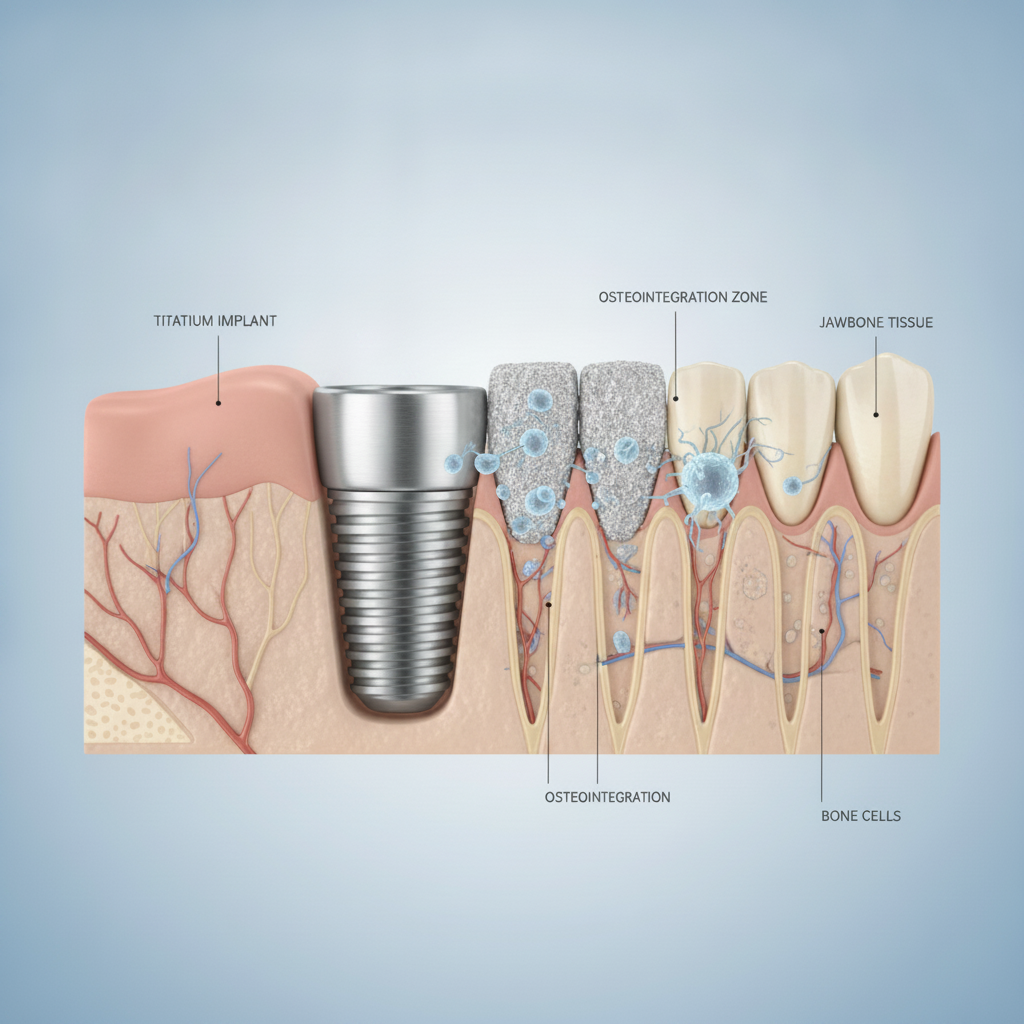
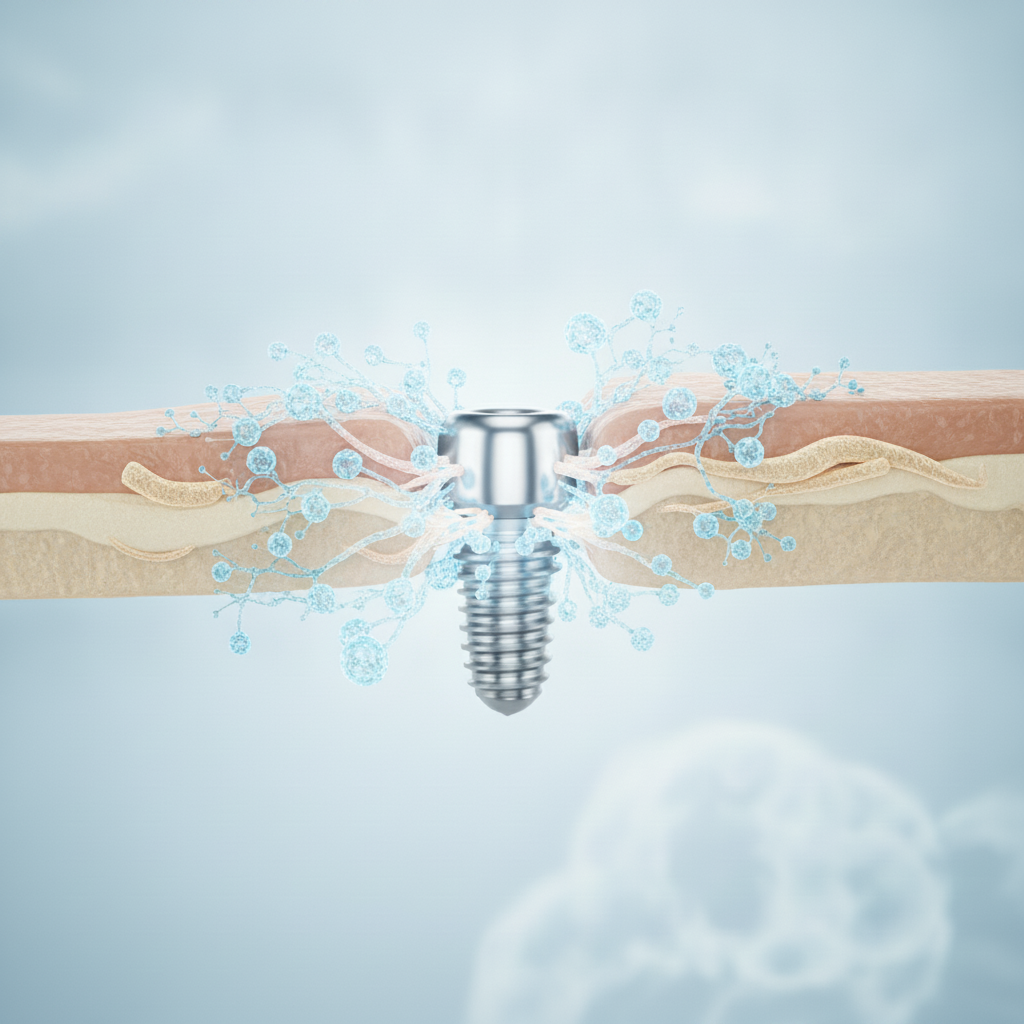
Osseointegration is the biological marvel that defines the success of dental implants. It is the critical process during which the titanium implant post gradually and biologically fuses with the surrounding jawbone tissue. Titanium is remarkably biocompatible, meaning it is well-tolerated by the human body, allowing bone cells to grow onto and around the implant surface, effectively integrating it into the bone structure. This creates an incredibly strong, stable, and durable foundation, much like a natural tooth root, capable of supporting significant biting forces. This vital healing period typically lasts anywhere from 3 to 6 months, although it can vary depending on individual healing capabilities, bone density at the implant site, the specific type and surface treatment of the implant system used, and the patient’s overall health. During this time, the implant must remain undisturbed to ensure optimal bone fusion. Patients are often provided with temporary restorations (e.g., temporary dentures or bridges) to maintain aesthetics and limited function during this waiting period, ensuring they can continue with their daily lives while the healing progresses.
Abutment Placement and Impression Taking
Once osseointegration is confirmed to be complete – typically verified through clinical examination and possibly X-rays – the next stage involves placing the abutment. An abutment is a small, custom-made connector post that attaches securely to the integrated dental implant and protrudes through the gum line. Its purpose is to serve as the connector between the implant and the final prosthetic tooth (crown, bridge, or denture).
In cases where the implant was initially covered by gum tissue (two-stage procedure), a minor second surgical procedure is performed to gently expose the top of the implant, allowing the abutment to be attached. If a healing cap was placed during the initial surgery (one-stage procedure), this step might be simpler, involving only the removal of the healing cap and attachment of the abutment. After the abutment is in place, the surrounding gum tissue needs a short period (typically a week or two) to heal and conform around the abutment. Once the gum has healed, precise impressions are taken of your mouth. These impressions, often digital, serve as a highly accurate blueprint for the dental laboratory to custom-fabricate your final, permanent restoration.
Fabrication of the Custom Restoration
The dental laboratory utilises the detailed impressions and specifications provided by your dental professional to meticulously design and create your custom restoration. This crown, bridge, or denture is carefully crafted from high-quality materials such as porcelain, ceramic, or zirconia, ensuring it matches the exact colour, shape, and size of your existing natural teeth. The goal is a restoration that is not only highly functional but also blends seamlessly with your smile, achieving optimal aesthetics and bite harmony. The intricate fabrication process typically takes approximately 2 to 4 weeks, during which time you may continue to wear a temporary restoration to maintain appearance and limited chewing ability.
Final Restoration Attachment and Follow-up
The final and most anticipated step in the dental implant journey is the attachment of your permanent restoration. Your dental professional will carefully cement or screw the custom-made crown, bridge, or denture onto the abutment, securely completing your new tooth or teeth. Final adjustments will be made to ensure proper bite alignment, comfort, and aesthetics. Once the restoration is secured, you’ll have a fully functional and natural-looking replacement that feels completely integrated into your mouth.
Ongoing care is absolutely essential for the long-term success and longevity of your dental implants. This includes diligent daily brushing and flossing, using specific cleaning tools as recommended, and maintaining regular dental check-ups and professional cleanings. These preventative measures are crucial to maintain excellent oral hygiene and to monitor the health of your implants and surrounding gum tissues, helping to prevent peri-implantitis and other complications. With proper care and maintenance, dental implants are renowned for their durability and can last for many decades, often for a lifetime, providing a lasting solution for tooth loss.
How Long Do Dental Implants Take NZ? – A Detailed Timeline
| Stage | Description | Estimated Timeframe |
|---|---|---|
| Initial Consultation & Planning | Comprehensive assessment, diagnostic imaging (X-rays, CT scans), and treatment plan development. | 1-2 visits (days to 2 weeks) |
| Supplemental Procedures (if needed) | Bone grafting, sinus lift, or tooth extraction with socket preservation. | 3-12 months healing for grafts; 1-3 months for extraction sites before implant placement. |
| Implant Placement Surgery | Surgical insertion of the titanium post into the jawbone. | 1-2 hours for the procedure itself + 3-6 months osseointegration (healing and bone fusion). |
| Abutment Placement | Attaching the connector post to the fully integrated implant. | 1-2 visits (days to 2 weeks for gum healing around abutment). |
| Crown/Bridge Fabrication | Custom creation of the final prosthetic tooth by a dental laboratory. | 2-4 weeks. |
| Final Restoration Attachment | Permanent placement of the custom crown, bridge, or denture onto the abutment. | 1 visit. |
| Total Estimated Time (Standard Case) | (Excluding complex supplemental procedures, where bone is already sufficient) | Approx. 4-9 months |
| Total Estimated Time (Complex Case) | (Including significant bone grafting or sinus lift procedures) | Approx. 12-18 months or more |
It’s important to remember that these are general estimates. Each patient’s unique biological response, specific oral health condition, and the number of implants being placed will influence the precise duration. Adherence to the recommended healing periods is paramount for successful long-term outcomes and prevents potential complications. For a detailed understanding of the steps involved, you can learn more about the dental implant procedure new zealand step by step.
Factors Influencing the Timeline
Several factors can significantly influence the overall duration of the dental implant process:
- Individual Patient Health: The patient’s general health, immune system efficiency, and overall healing capacity play a crucial role. Conditions such as uncontrolled diabetes, certain autoimmune diseases, or habits like smoking can extend healing times.
- Bone Density and Quality: The presence of healthy, dense jawbone is fundamental for immediate implant stability and successful osseointegration. If bone density is low or the bone quality is compromised, additional time for grafting and subsequent healing will inevitably be required.
- Number of Implants: While placing multiple implants might take longer in a single surgical sitting, the subsequent healing phases for each implant generally occur concurrently. However, extensive full-mouth restorations, by their nature, will have longer overall timelines due to the scope of work involved.
- Location of Implants: The jawbone in different areas of the mouth varies in density. For instance, the upper jawbone (maxilla) is generally less dense than the lower jawbone (mandible), which can potentially necessitate slightly longer osseointegration times or additional preparatory procedures in the upper arch.
- Need for Supplemental Procedures: As previously discussed, bone grafts or sinus lifts are significant surgical interventions that add substantial time to the overall treatment plan due to their extensive and critical healing periods.
- Oral Hygiene and Aftercare: Diligent adherence to post-operative instructions, including meticulous oral hygiene and avoiding habits like smoking, can profoundly impact healing rates, help prevent infections, and support optimal osseointegration.
Accelerating the Process: Immediate Load Implants
In certain highly specific cases, when a patient presents with exceptional bone density and achieves high primary implant stability at the time of surgical placement, immediate load implants (sometimes referred to as “teeth in a day” or “one-day implants”) may be a viable option. This innovative technique involves placing a temporary crown, bridge, or even a full arch restoration onto the implant immediately after its surgical insertion. While this approach offers immediate aesthetic and functional benefits, it is not suitable for all patients. Candidacy for immediate loading is determined by stringent criteria, including excellent bone quality and quantity, specific bite conditions, and the absence of certain risk factors. It carries different biomechanical considerations and potential risks compared to conventional delayed loading protocols. Your dental professional will conduct a thorough assessment to determine if you are an appropriate candidate for this accelerated approach, weighing its benefits against the long-term success rates.
The Long-Term Benefits vs. The Time Investment
While the dental implant process can seem lengthy, it is a testament to the meticulous care and biological precision required to ensure a permanent, reliable, and functional solution for missing teeth. The time invested ultimately yields unparalleled long-term benefits that profoundly impact a patient’s quality of life:
- Superior Durability and Longevity: Implants are designed to be a permanent solution, often lasting for decades, even a lifetime, with proper maintenance and care, far exceeding the lifespan of traditional bridges or dentures.
- Enhanced Aesthetics: Custom-designed crowns look, feel, and function remarkably like natural teeth, seamlessly restoring the beauty and symmetry of your smile.
- Improved Oral Function: With implants, you can confidently enjoy eating your favourite foods, speak clearly without impediment, and smile broadly without any concerns about slippage or discomfort.
- Bone Preservation: Unlike other tooth replacement options, dental implants stimulate the jawbone, preventing the bone loss and deterioration that typically occurs after tooth extraction. This preserves facial structure and prevents a “sunken” appearance.
- No Impact on Adjacent Teeth: Traditional dental bridges require grinding down healthy adjacent teeth for support. Implants are standalone units, leaving your neighbouring natural teeth unaltered and intact.
The phased approach of dental implant treatment ensures that each stage is completed to the highest standard, allowing your body sufficient and necessary time to heal and integrate the implant effectively. This biological integration is paramount for ensuring the implant’s stability, functionality, and preventing future complications, ultimately leading to a successful and lasting outcome.
The duration of dental implant treatment in NZ is a journey specifically tailored to each individual’s unique needs and biological healing capacity, ensuring optimal results for a healthy, confident, and enduring smile. The investment of time and patience throughout this process pays significant dividends in the form of a robust, long-lasting solution for missing teeth. For a personalised assessment and to understand your specific timeline and treatment options, it is always recommended to consult with a qualified dental professional.
For more detailed information on dental implants and their scientific principles, you may consult authoritative resources such as Wikipedia’s entry on Dental Implants.