Dental Crowns NZ – Types Explained
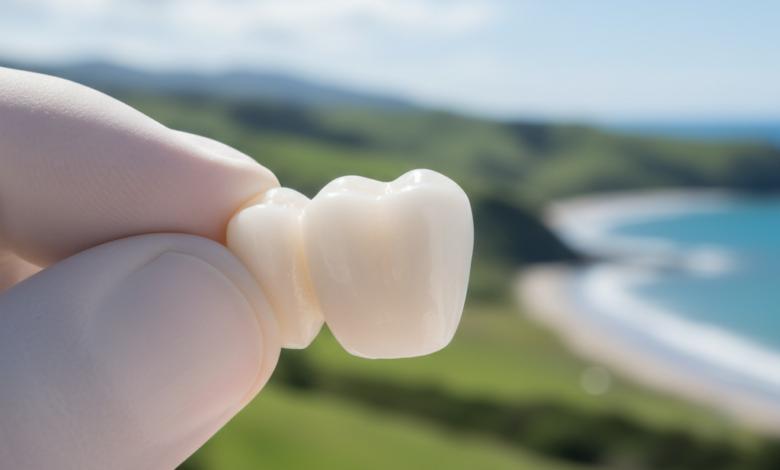
Dental Crowns NZ – Types Explained
Dental crowns, often referred to simply as “caps,” are a cornerstone of restorative dentistry, playing a vital role in preserving and enhancing oral health across New Zealand. These custom-made coverings are meticulously designed to encompass the entire visible portion of a damaged or weakened tooth, restoring its original shape, size, strength, and appearance. For individuals facing issues from extensive decay to fractured teeth or those needing protection after a root canal, dental crowns offer a durable and aesthetically pleasing solution. Understanding the various types available and the process involved is crucial for anyone considering this significant dental investment.
What Exactly is a Dental Crown and Why is it Needed in NZ?
A crown is essentially a prosthetic restoration that completely encases a tooth or dental implant. Unlike fillings, which repair only a portion of the tooth, a crown covers the entire tooth structure above the gum line. This comprehensive coverage provides immense strength and protection, making it an ideal treatment for a range of dental problems.
The need for a dental crown often arises in several scenarios:
- Extensive Decay: When a cavity is too large for a standard filling, a crown can save the tooth from extraction.
- Fractured or Chipped Teeth: Crowns can hold together parts of a cracked tooth, preventing the fracture from worsening and protecting the inner pulp.
- After Root Canal Treatment: Teeth that have undergone a root canal can become brittle and prone to fracture. A crown provides the necessary protection.
- Severely Worn Teeth: Chronic grinding (bruxism) can wear down teeth. Crowns restore their original height and function.
- Cosmetic Enhancement: Crowns can improve the appearance of severely discolored, misshapen, or poorly aligned teeth, especially when veneers are not sufficient.
- Supporting a Dental Bridge: Crowns are used on adjacent teeth to anchor a dental bridge, replacing missing teeth.
- Covering a Dental Implant: Once a dental implant is surgically placed and healed, a crown is attached to the abutment to function as a natural tooth.
In New Zealand, with its focus on high standards of dental care, the application of dental crowns ensures patients receive long-term solutions for their oral health challenges. The choice of material and technique is often tailored to individual needs, aesthetic preferences, and the specific location of the tooth.
Understanding the Different Types of Dental Crowns NZ
The material used for a dental crown is a critical factor influencing its strength, aesthetics, and cost. Modern dentistry offers a variety of materials, each with unique advantages.
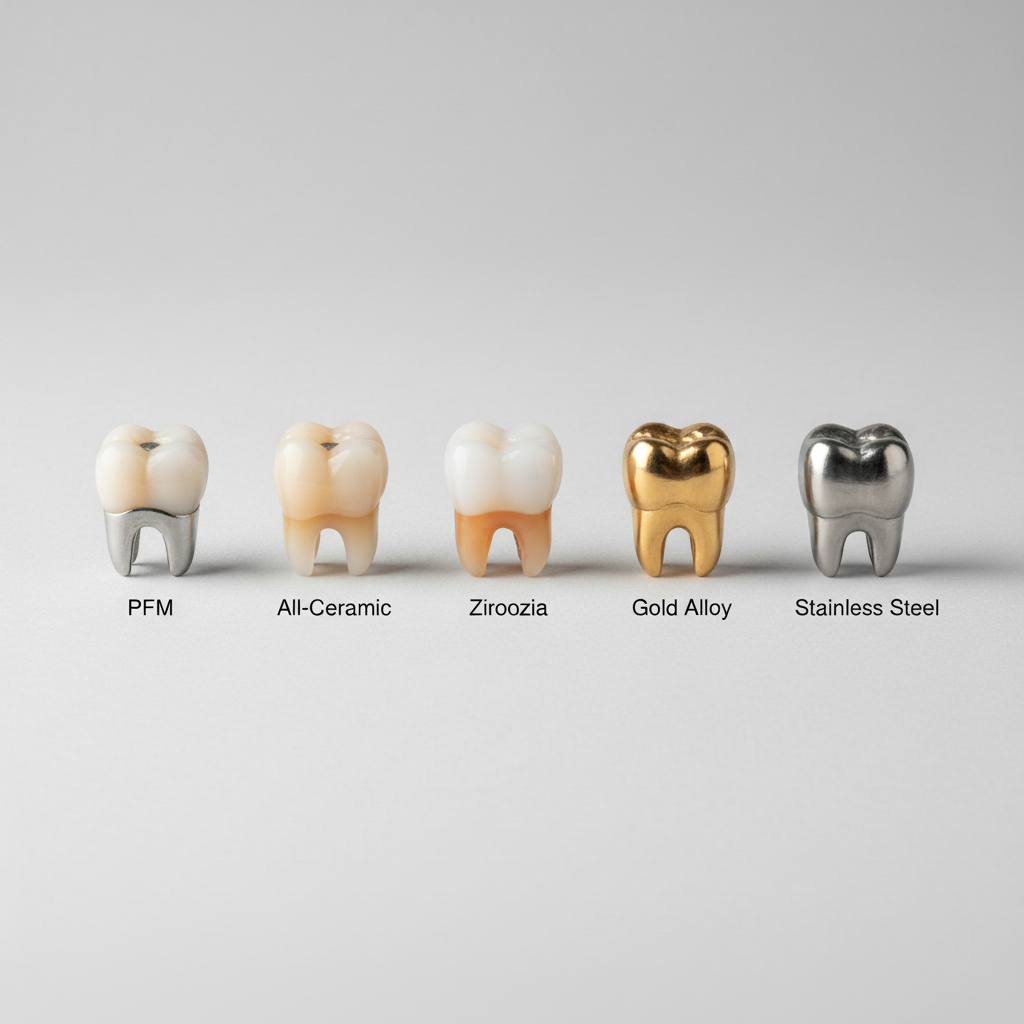
Porcelain-Fused-to-Metal (PFM) Crowns
PFM crowns have been a traditional choice for many years. They consist of a metal alloy base that provides strong support, which is then covered with a layer of porcelain.
- Advantages: Offer a good balance of strength and aesthetics. The metal substructure provides durability, while the porcelain surface mimics the appearance of natural teeth. They are often a more economical choice compared to all-ceramic options.
- Disadvantages: The metal base can sometimes show through at the gum line as a dark line, especially if gums recede over time. The porcelain can chip or fracture, and the metal can cause allergic reactions in some individuals, though this is rare. The opacity of the metal core can also make them look less translucent than natural teeth.
All-Ceramic or All-Porcelain Crowns
These crowns are made entirely from ceramic or porcelain materials, such as zirconia or Emax. They are increasingly popular due to their superior aesthetic qualities.
- Advantages: Unmatched natural appearance, blending seamlessly with existing teeth due to their translucency. They are ideal for front teeth where aesthetics are paramount. They are also biocompatible, meaning there’s no risk of metal allergies.
- Disadvantages: Historically, all-ceramic crowns were considered less strong than PFM or metal crowns, particularly the older porcelain types. However, advancements in materials like zirconia and lithium disilicate (Emax) have significantly improved their strength, making them suitable for molars as well. They can be more expensive than PFM crowns.
Zirconia Crowns
A type of all-ceramic crown, zirconia is a remarkably strong and durable material. It has become a front-runner in modern restorative dentistry.
- Advantages: Exceptional strength, rivaling that of metal crowns, making them suitable for back teeth and patients with bruxism. They offer excellent aesthetics, though perhaps slightly less translucent than Emax in some cases. Highly biocompatible.
- Disadvantages: Can sometimes be more opaque than Emax, though newer translucent zirconia options address this. Adjusting zirconia crowns after placement can be more challenging due to their hardness.
Emax Crowns (Lithium Disilicate)
Emax is another type of all-ceramic crown known for its outstanding aesthetics and good strength.
- Advantages: Superior translucency and natural appearance, making them an excellent choice for front teeth. They are very strong for an all-ceramic option and are highly resistant to chipping.
- Disadvantages: While strong, they may not be as universally robust as zirconia for extremely heavy bite forces in the posterior.
Gold Alloy Crowns
Gold crowns are not made of pure gold but an alloy containing gold, copper, and other metals.
- Advantages: Extremely durable and resistant to fracture. They are very biocompatible and wear down very slowly, similar to natural tooth enamel, preventing excessive wear on opposing teeth. Require less tooth reduction than other types.
- Disadvantages: Their metallic color is a significant aesthetic drawback for many patients, especially for visible teeth. They are generally more expensive due to the precious metal content.
Stainless Steel Crowns (SSCs)
SSCs are pre-fabricated crowns primarily used in pediatric dentistry for children’s primary (baby) teeth or as a temporary measure for permanent teeth.
- Advantages: Cost-effective, durable, and quickly placed in a single visit. They provide immediate protection for decayed or damaged primary teeth.
- Disadvantages: Clearly metallic in appearance. They are temporary and are designed to fall out with the baby tooth or be replaced by a permanent crown on adult teeth.
| Crown Type | Aesthetics | Strength/Durability | Biocompatibility | Typical Use Cases |
|---|---|---|---|---|
| Porcelain-Fused-to-Metal (PFM) | Good, but metal line can show | High (metal base) | Good (potential for allergy) | Front & back teeth; cost-effective balance |
| All-Ceramic/Porcelain | Excellent, natural translucency | Moderate to High (material dependent) | Excellent | Front teeth, where aesthetics are key |
| Zirconia | Excellent (can be opaque) | Exceptional (very strong) | Excellent | Back teeth, patients with heavy bite, bridges |
| Emax (Lithium Disilicate) | Superior (high translucency) | High | Excellent | Front teeth, visible premolars, single crowns |
| Gold Alloy | Poor (metallic) | Exceptional (mimics tooth wear) | Excellent | Back teeth, patients with heavy bite, minimal tooth reduction |
| Stainless Steel (SSC) | Poor (metallic) | High (temporary) | Good | Children’s primary teeth, temporary adult crowns |
The Dental Crown Procedure: A Step-by-Step Guide
Getting a dental crown typically involves two visits to the dentist, though some clinics now offer same-day crown technology (CAD/CAM).
Initial Consultation and Tooth Preparation
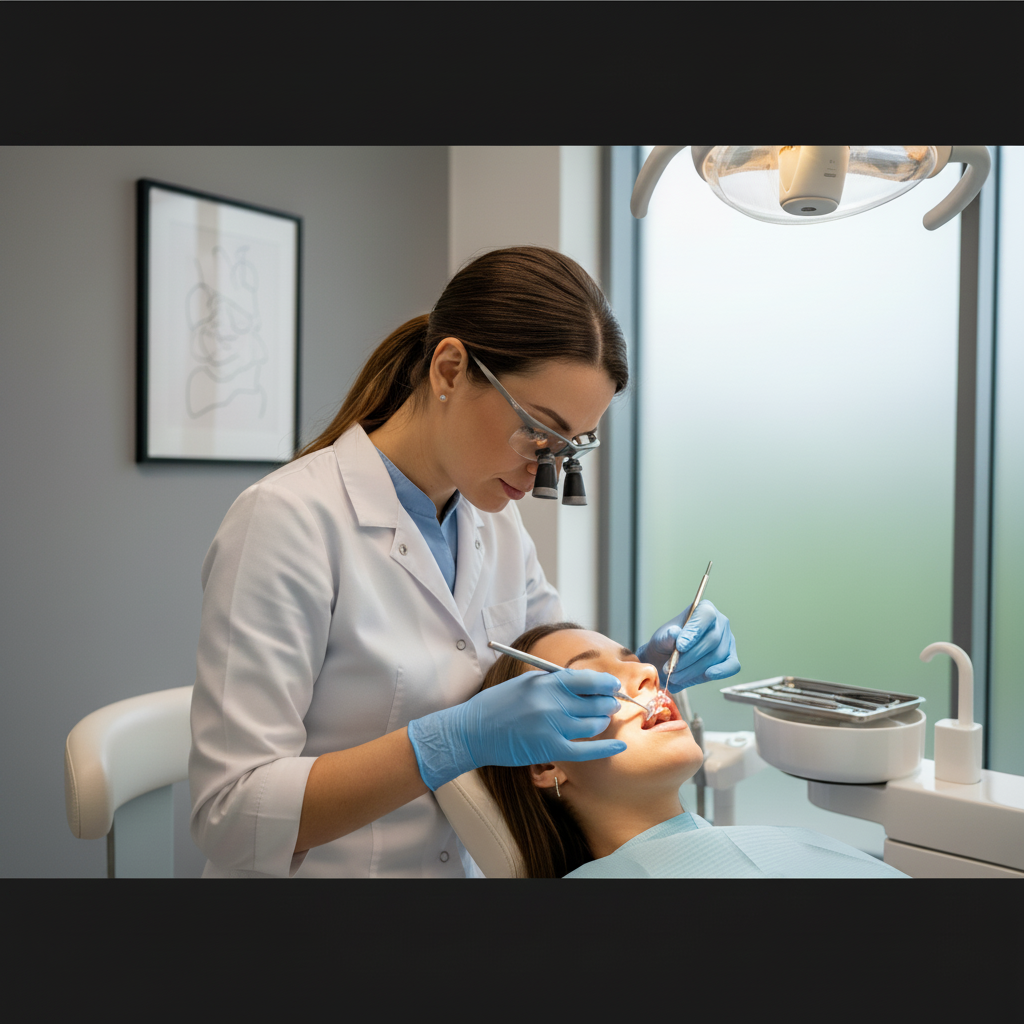
During the first visit, the dentist will conduct a thorough examination, including X-rays, to assess the tooth and surrounding bone. If the tooth is deemed suitable for a crown, it will be prepared. This involves reshaping the tooth by removing a thin layer of enamel from its sides and top, making room for the crown to fit over it without appearing bulky. If there’s extensive decay or damage, the tooth might first need a filling or a build-up to provide a stable foundation for the crown.
Impressions
After preparation, impressions of the prepared tooth and the surrounding teeth are taken. These impressions are critical for creating a crown that fits precisely and aligns correctly with your bite. Traditional impressions involve a putty-like material, while modern dentistry often uses digital scanners to create 3D models. These impressions are sent to a dental laboratory, where skilled technicians craft your custom crown.
Temporary Crown Placement
While your permanent crown is being fabricated, the dentist will place a temporary crown. This temporary cap protects the prepared tooth from sensitivity, helps maintain the space, and allows you to eat and speak relatively normally. Temporary crowns are usually made of acrylic and are held in place with temporary cement, making them easy to remove at the next appointment.
Permanent Crown Placement
Approximately one to two weeks later, you’ll return for your second appointment. The temporary crown will be removed, and the dentist will carefully check the fit, color, and bite of the permanent crown. Any minor adjustments will be made at this stage to ensure a perfect fit. Once both you and your dentist are satisfied, the permanent crown will be cemented onto your tooth using a strong dental adhesive.
Benefits of Dental Crowns
The advantages of opting for a dental crown extend beyond merely fixing a damaged tooth:
- Restoration of Function: Crowns allow you to chew and speak normally, restoring full functionality to your bite.
- Improved Aesthetics: Modern crowns, especially all-ceramic options, can dramatically enhance the appearance of a tooth, boosting confidence in your smile.
- Protection: They provide a strong barrier against further decay, cracks, or fractures, especially for teeth weakened by large fillings or root canal treatment.
- Durability and Longevity: With proper care, dental crowns can last 10 to 15 years, and sometimes even longer, making them a wise long-term investment in your oral health.
- Stabilisation: Crowns can help stabilise the bite, preventing surrounding teeth from shifting or experiencing uneven wear.
Caring for Your Dental Crown
While a dental crown is a robust restoration, its longevity largely depends on proper oral hygiene and regular dental care.
- Brush and Floss Regularly: Treat your crowned tooth just like your natural teeth. Brush at least twice a day and floss daily to prevent plaque buildup, especially around the gum line of the crown.
- Avoid Hard or Sticky Foods: Biting down on very hard foods (like ice, hard candies) or tearing at sticky foods can damage the crown or loosen it.
- Address Teeth Grinding: If you grind or clench your teeth (bruxism), your dentist might recommend a nightguard to protect your crown and natural teeth from excessive wear.
- Regular Dental Check-ups: Continue to visit your dentist for routine check-ups and professional cleanings. This allows your dentist to monitor the condition of your crown and surrounding teeth, addressing any issues promptly.
Understanding how much dental care costs in New Zealand, including procedures like dental bridges, can help patients budget for comprehensive treatments that often involve crowns. While crowns offer a single-tooth solution, they are frequently part of a broader restorative plan. For more general information on dental crowns, you can consult resources like Wikipedia’s entry on Dental Crowns.
Choosing the Right Crown for You in NZ
The decision of which type of crown is best for you will be made in consultation with your dentist. Factors considered include:
- Location of the Tooth: Front teeth often prioritise aesthetics, while back molars require maximum strength.
- Bite Strength: Patients with strong bites or a history of teeth grinding may benefit from stronger materials like zirconia or gold.
- Gum Health: If gum recession is a concern, materials that don’t show a dark line at the gum margin might be preferred.
- Aesthetic Preferences: Your personal desire for a natural-looking restoration.
- Cost: Different materials come with varying price points.
- Allergies: Any known allergies to metals.
Dental crowns are a highly effective and long-lasting solution for damaged or weakened teeth, offering significant improvements in both oral health and aesthetic appeal. With various materials and techniques available, tailored solutions can meet the unique needs of each patient. Investing in a dental crown is an investment in your overall well-being and confidence in your smile.