Teeth Whitening New Zealand: Prices, Methods & Expected Results
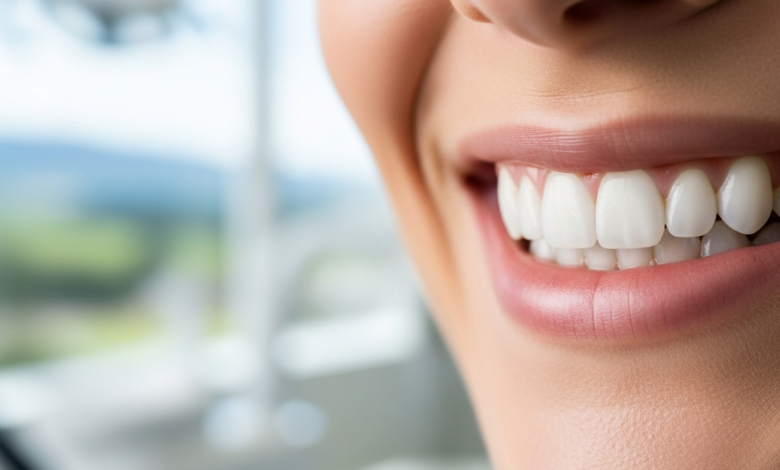
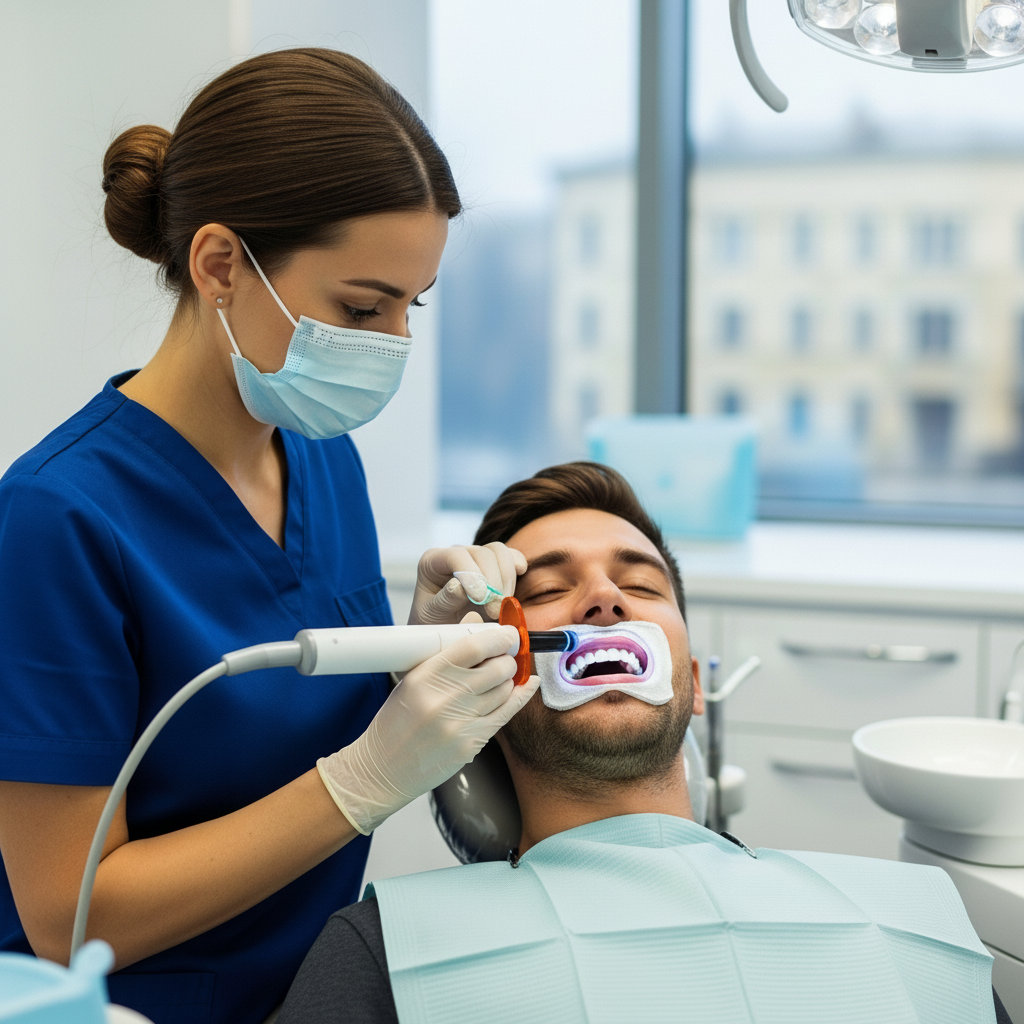
Often considered the fastest and most dramatic method, in-office whitening is performed entirely within a dental clinic. The procedure typically takes about 60 to 90 minutes and involves several key steps:
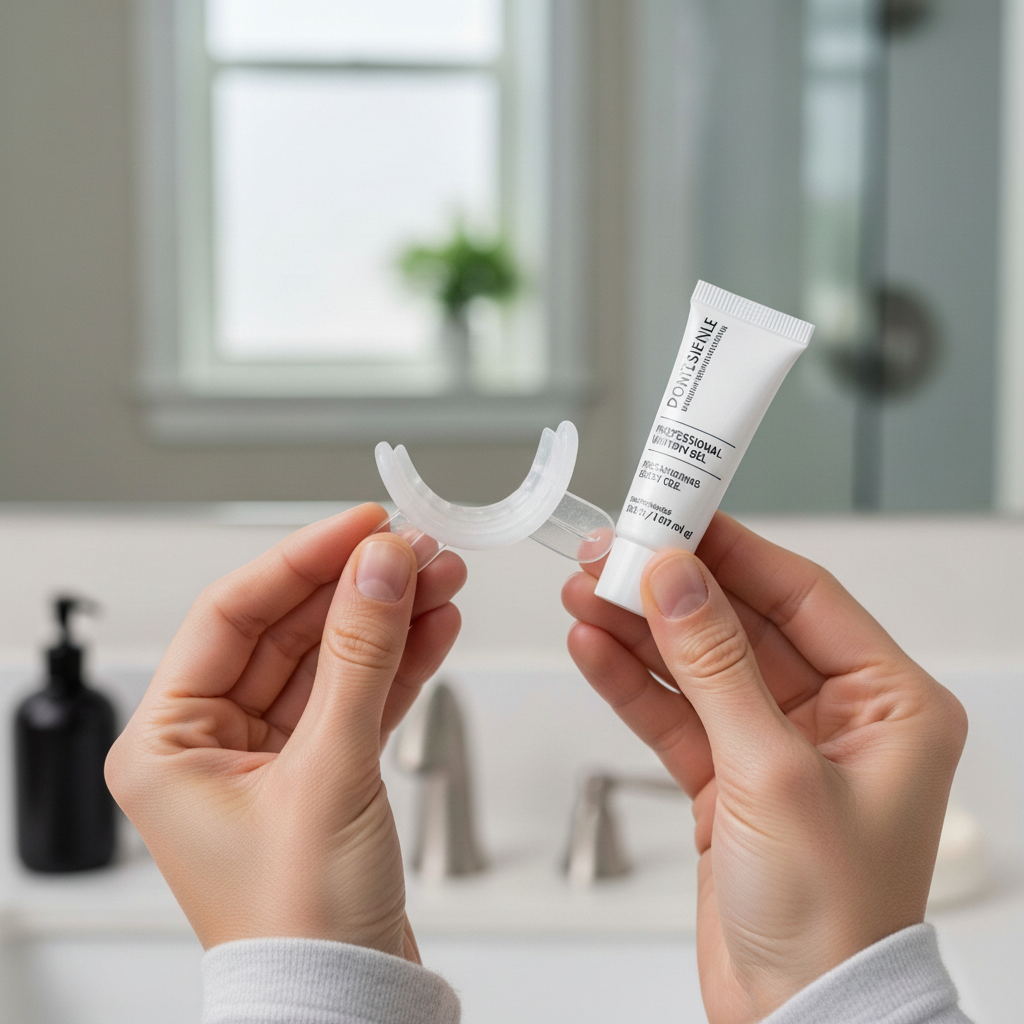
Teeth Whitening New Zealand: Prices, Methods & Expected Results in your quest for a brighter, more confident smile. A radiant smile is often one of the first things people notice, and with modern dental advancements, achieving pearly white teeth has become more accessible than ever. For Kiwis considering this popular cosmetic procedure, understanding the available options, associated costs, and the results you can realistically expect is crucial. From professional in-clinic treatments to dentist-supervised at-home kits, the landscape of teeth whitening offers a variety of paths to a luminous smile. This guide will explore the details of teeth whitening in New Zealand, helping you make an informed decision that aligns with your aesthetic goals, budget, and lifestyle.
Understanding the Causes of Tooth Discolouration
Before diving into the whitening methods, it’s important to understand why teeth lose their natural brightness. Tooth discolouration is generally classified into two categories: extrinsic and intrinsic staining.
Extrinsic Stains
Extrinsic stains are the most common type and affect the outer layer of the tooth, the enamel. These surface-level stains are primarily caused by lifestyle and dietary factors. The porous nature of enamel allows pigments from certain foods and drinks to become trapped, leading to a yellowish or brownish appearance over time. Key culprits include:
- Dark-Coloured Beverages: Coffee, tea, red wine, and dark sodas are notorious for staining teeth.
- Certain Foods: Berries, tomato-based sauces, and soy sauce can also contribute to surface discolouration.
- Tobacco Use: Both smoking and chewing tobacco introduce nicotine and tar, which create stubborn yellow and brown stains on the enamel.
- Poor Oral Hygiene: Inadequate brushing and flossing allow plaque and stain-producing substances to accumulate on the teeth.
Fortunately, extrinsic stains are the easiest to remove with professional cleaning and whitening treatments.
Intrinsic Stains
Intrinsic stains occur within the inner structure of the tooth, known as the dentin. These stains are more challenging to treat as they are embedded deep within the tooth. The causes of intrinsic discolouration are often beyond an individual’s control and can include:
- Trauma: An injury to a tooth can cause it to produce more dentin as a protective response, which can darken the tooth.
- Medications: Certain antibiotics, such as tetracycline, when taken during tooth development, can cause permanent greyish banding on the teeth.
- Fluorosis: Excessive fluoride consumption during childhood can lead to white spots or streaks on the enamel.
- Aging: As we age, the outer enamel layer thins, revealing the naturally yellower dentin underneath.
While whitening can have some effect on mild intrinsic stains, more severe cases may require alternative cosmetic treatments like veneers or crowns.
Professional Teeth Whitening Options
When it comes to achieving significant and safe results, professional teeth whitening supervised by a dental expert is the gold standard. The primary whitening agents used in these procedures are hydrogen peroxide or carbamide peroxide. These substances work by penetrating the enamel and breaking down the discoloured molecules within the tooth through an oxidation process. According to a study published in the Journal of Evidence-Based Dental Practice, professional bleaching is a well-established and effective method for lightening tooth shade.
In-Office Laser Teeth Whitening
- Consultation and Preparation: The dentist first examines your teeth and gums to ensure you are a suitable candidate. A protective barrier is then applied to your gums and lips to shield them from the potent whitening gel.
- Gel Application: A professional-grade whitening gel with a high concentration of hydrogen peroxide is carefully applied to the surface of your teeth.
- Light Activation: A special curing light or laser is directed at the teeth. This light activates the gel, accelerating the chemical reaction and allowing it to penetrate the enamel more effectively to break down stains rapidly.
- Rinsing and Results: After about 15-20 minutes, the gel is removed, and the process may be repeated a couple more times to achieve the desired shade. The immediate results are often dramatic, with teeth becoming several shades lighter in a single visit.
Dentist-Prescribed At-Home Kits
For those who prefer a more gradual approach in the comfort of their own home, professional take-home kits offer a highly effective alternative. This method combines professional oversight with at-home convenience.
- Custom Trays: The process begins at the dental clinic, where your dentist will take impressions of your teeth to create custom-fitted whitening trays. This custom fit is crucial as it ensures the whitening gel is applied evenly and remains in contact with the teeth while keeping it away from the sensitive gum tissue.
- Professional Gel: You are provided with a professional-strength carbamide peroxide or hydrogen peroxide gel, which has a lower concentration than the in-office version but is significantly more potent than over-the-counter products.
- At-Home Application: You will be instructed to place a small amount of the gel into the trays and wear them for a specific duration each day, often ranging from 30 minutes to a few hours, over a period of one to two weeks. The dentist provides a clear schedule based on your whitening goals and sensitivity levels.
Comparison of Teeth Whitening Methods
Choosing the right teeth whitening method depends on your budget, timeline, and desired outcome. Over-the-counter products like strips and toothpastes are also available, but they offer far less dramatic and predictable results compared to professional options.
| Feature | In-Office Whitening | Professional At-Home Kit | Over-the-Counter (OTC) Products |
|---|---|---|---|
| Effectiveness | Highest – Can lighten teeth by 5-8 shades | High – Can lighten teeth by 3-6 shades | Low to Moderate – Can lighten teeth by 1-2 shades |
| Speed of Results | Immediate (in one 60-90 minute visit) | Gradual (over 1-2 weeks) | Very Gradual (over several weeks or months) |
| Cost | Highest ($600 – $1200+) | Moderate ($300 – $600) | Lowest ($30 – $150) |
| Professional Supervision | Yes, direct supervision ensures safety | Yes, initial consultation and custom trays | No, risk of improper use and gum irritation |
| Sensitivity | Can cause temporary sensitivity due to high concentration | Lower risk of sensitivity, can be managed | Higher risk of sensitivity and irritation due to ill-fitting strips/trays |
What to Expect: Costs and Results for Teeth Whitening New Zealand
The Financial Investment
In New Zealand, the cost of teeth whitening varies depending on the method chosen and the clinic’s location. In-office laser whitening is the most premium option, with prices generally ranging from NZD $600 to over $1,200. While this is a significant upfront cost, it reflects the technology, professional time, and immediate, dramatic results. Dentist-prescribed at-home kits are a more budget-friendly professional option, typically costing between NZD $300 and $600. This price includes the consultation, custom-made trays, and a supply of professional-grade whitening gel.
Longevity of Your Whiter Smile
The results of professional teeth whitening are not permanent, but they can be long-lasting with proper care. Typically, the effects can last anywhere from six months to two years. The longevity is heavily influenced by your lifestyle. Consuming staining foods and drinks regularly or smoking will cause the brightness to fade more quickly. To maintain your results, it’s essential to practice excellent oral hygiene, including regular brushing, flossing, and dental check-ups. Occasional touch-up treatments, often with your at-home kit, can help keep your smile looking its best.
Considering a Comprehensive Smile Makeover
Teeth whitening is a fantastic standalone procedure, but it is also often a foundational step in a more comprehensive smile makeover. For individuals with more complex dental concerns, such as misaligned, chipped, or missing teeth, whitening can prepare the canvas for further treatments. Achieving a desired shade before procedures like veneers, crowns, or bonding ensures that all restorations can be matched to a new, brighter baseline. This integrated approach falls under the umbrella of cosmetic dentistry, a field dedicated to improving the appearance of teeth and gums to create a harmonious and aesthetically pleasing smile. By combining treatments, patients can achieve a truly transformative and lasting result that boosts both appearance and confidence.