Invisalign in New Zealand: Cost, Benefits & Treatment Process
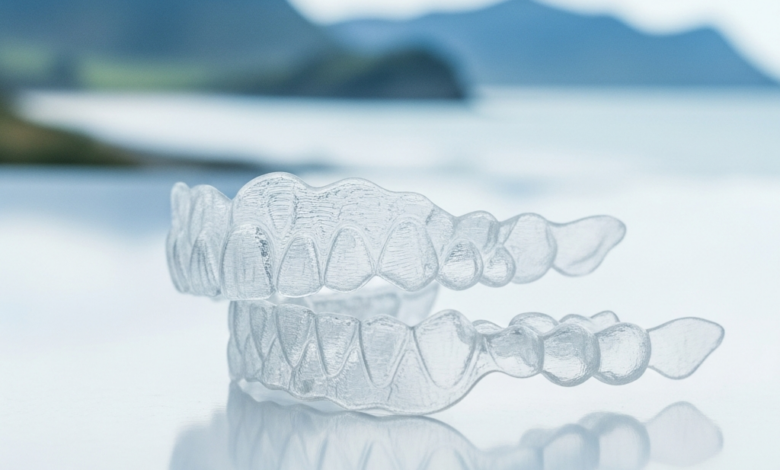
Invisalign in New Zealand: Cost, Benefits & Treatment Process has become a leading choice for adults and teens seeking a straighter smile without the aesthetic and functional drawbacks of traditional metal braces. This revolutionary orthodontic treatment uses a series of clear, custom-made aligners to gradually shift teeth into their desired position. For Kiwis considering this modern approach to teeth straightening, understanding the full scope of the treatment, from the initial consultation to the final cost, is crucial. The appeal of its near-invisibility, combined with advanced digital planning, offers a compelling alternative for achieving a healthier, more confident smile.
What Exactly is Invisalign and How Does It Work?
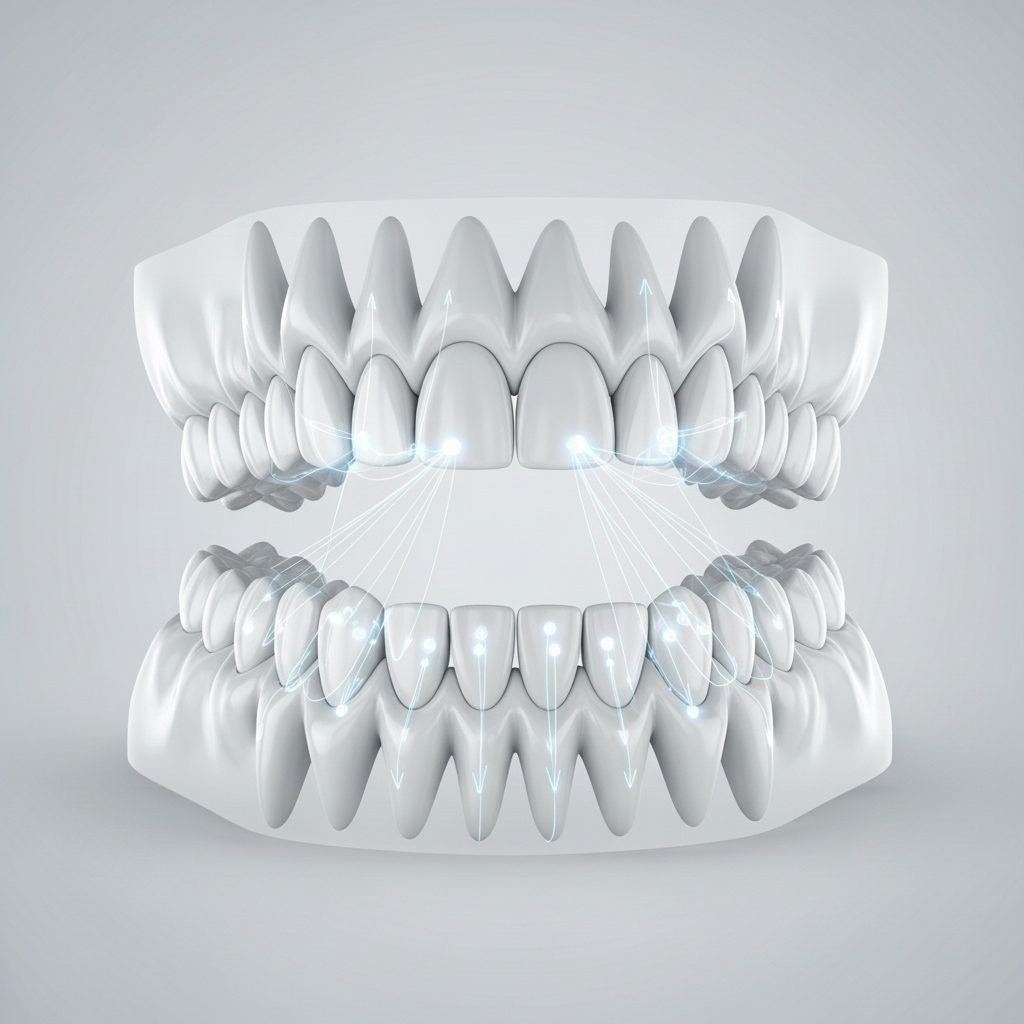
Invisalign is not just a single product but a comprehensive orthodontic system that leverages advanced 3D computer-imaging technology. Unlike traditional braces that use brackets and wires to pull teeth into place, Invisalign employs a series of custom-fitted, removable plastic trays. Each aligner is meticulously designed to make slight adjustments to the position of your teeth. As you replace each aligner with the next in the series, typically every one to two weeks, your teeth gradually move towards their projected final positions. This controlled and predictable movement is the cornerstone of the Invisalign system’s success.
The Science of SmartTrack® Material
The effectiveness of the aligners is largely due to the proprietary material they are made from, known as SmartTrack®. This patented thermoplastic material was developed after years of research and testing of over 260 different materials. SmartTrack® is engineered to apply gentle, more constant force to the teeth, which improves control over tooth movement. This not only makes the treatment more predictable but also enhances patient comfort compared to older, more rigid plastics. The material’s elasticity allows it to fit snugly over the teeth while providing the precise force needed to guide them effectively, making the aligners both comfortable to wear and highly efficient. The precision of this material ensures that tooth movements are performed in a more predictable sequence, leading to better clinical outcomes.
The 3D Digital Treatment Plan (ClinCheck®)
A key differentiator for Invisalign is its digital treatment planning software, ClinCheck®. The process begins with a precise 3D digital scan of your teeth using an intraoral scanner, such as the iTero® scanner. This eliminates the need for uncomfortable and often messy traditional putty impressions. The digital model of your teeth is then uploaded to the ClinCheck® software, where your orthodontist or dentist can map out the entire treatment journey. This powerful software allows the practitioner to design a precise plan for each tooth’s movement, stage by stage. Patients can even view a virtual representation of their teeth’s transformation, from the initial position to the final desired outcome, before the treatment even begins. This level of foresight provides both motivation and a clear understanding of the expected results.
The Step-by-Step Invisalign Treatment Process
The journey to a straighter smile with Invisalign is a structured and digitally-driven process, designed for predictability and patient convenience. Each step is carefully managed to ensure the best possible outcome.
Step 1: The Initial Consultation
Your treatment begins with a consultation with a qualified Invisalign provider. During this appointment, the dentist will conduct a thorough examination of your teeth, jaw, and overall oral health to determine if you are a suitable candidate. This assessment typically includes taking x-rays and photographs. The dentist will discuss your orthodontic goals and explain how Invisalign can address your specific issues, such as crowding, spacing, overbite, or underbite.
Step 2: Custom Treatment Planning
Once you are confirmed as a good candidate, the digital scanning process takes place. A highly accurate 3D image of your teeth is created. Using this digital model, your dentist will work with the ClinCheck® software to create a highly customized, step-by-step treatment plan. This plan dictates the exact movements of your teeth and projects the duration of your treatment. You get to preview your new smile before the first aligner is even manufactured.
Step 3: Receiving Your Aligners
Based on your custom treatment plan, a series of clear aligners are fabricated specifically for you. You will receive several sets of aligners at a time. Your dentist will ensure the first set fits perfectly and will instruct you on how to wear and care for them. For the treatment to be effective, aligners must be worn for 20 to 22 hours per day, only being removed for eating, drinking anything other than water, brushing, and flossing.
Step 4: Regular Check-ups and Progress Monitoring
You will switch to a new set of aligners approximately every 1-2 weeks, as directed by your dentist. You’ll have periodic check-ups, typically every 6-8 weeks, to monitor your progress and receive your next sets of aligners. These appointments are generally quick and are simply to ensure that the treatment is proceeding as planned.
Step 5: The Final Reveal and Retention
After you have worn your final set of aligners, the active phase of your treatment is complete. To protect your investment and prevent your teeth from gradually shifting back to their original positions, you will need to wear a retainer. Invisalign offers Vivera® retainers, which are made from the same advanced technology as the aligners and are custom-fit to hold your teeth in their new, corrected positions.
The Comprehensive Guide to the Cost of Invisalign in New Zealand
The cost of orthodontic treatment is a significant consideration for most people. The price for Invisalign in New Zealand can vary widely depending on several key factors. Understanding these variables can help you budget for the treatment and understand what you are paying for. On average, patients in New Zealand can expect the cost to range from NZD $4,000 for minor corrections to over NZD $11,000 for more complex cases. Factors influencing this cost include the complexity of the dental issues being addressed, the length of the treatment plan, and the specific clinic’s pricing structure.
Invisalign vs. Traditional Braces: A Detailed Comparison
When deciding on orthodontic treatment, many people weigh the pros and cons of Invisalign against traditional metal braces. Both are effective at straightening teeth, but they offer vastly different experiences. The choice often comes down to lifestyle, budget, and personal preference.
| Feature | Invisalign | Traditional Braces |
|---|---|---|
| Aesthetics | Virtually invisible, clear plastic aligners. | Visible metal or ceramic brackets and wires. |
| Comfort | Smooth plastic with no sharp edges. Less irritation to cheeks and gums. | Brackets and wires can cause irritation, sores, and discomfort. |
| Oral Hygiene | Removable for easy and thorough brushing and flossing. | Difficult to clean around brackets and wires, increasing risk of plaque buildup. |
| Diet Restrictions | No food restrictions as aligners are removed for eating. | Restrictions on hard, sticky, and chewy foods to avoid damaging hardware. |
| Treatment Time | Often comparable to or sometimes faster than braces for many cases. | Treatment time varies widely based on case complexity. |
| Discipline Required | High patient compliance is required; must be worn 20-22 hours daily. | Permanently fixed to teeth, so compliance is not an issue. |
Is Invisalign the Right Choice For You?
While Invisalign is an incredibly effective and popular treatment, its suitability depends on individual clinical needs and lifestyle. It is crucial to have a realistic understanding of what the treatment entails to make an informed decision.
Ideal Candidates for Clear Aligners
Invisalign is most effective for treating mild to moderate orthodontic issues. This includes gapped teeth, crowded teeth, and common malocclusions like overbites, underbites, and crossbites. Studies published in resources like the National Center for Biotechnology Information have consistently shown its efficacy in these areas. However, for very severe or complex cases involving significant jaw discrepancies or tooth extractions, traditional braces might still be the recommended option. A thorough consultation with an experienced provider is the only way to know for sure.
Navigating High Local Costs
The significant financial investment required for orthodontic work in New Zealand is a major factor for many households. The high cost reflects the advanced technology, custom manufacturing, and professional expertise involved. For patients, the first step in managing this is to get a clear picture of the dental pricing landscape. Fully understanding how much a dentist costs in New Zealand for various procedures provides a baseline for evaluating treatment quotes and exploring all available options for achieving a healthy, beautiful smile within your budget. This knowledge empowers you to plan effectively for your orthodontic journey.