Children’s Dentist New Zealand: Best Care Tips for Parents
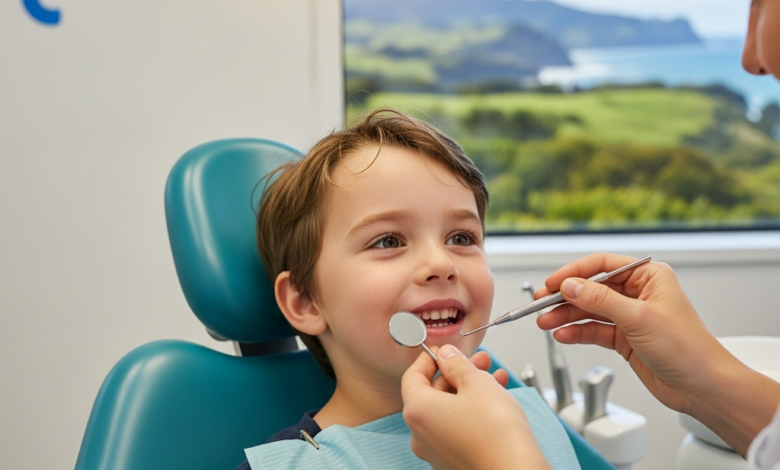
Children’s Dentist New Zealand: Best Care Tips for Parents. Establishing a foundation of excellent oral health during childhood is one of the most significant gifts a parent can provide. It sets the stage for a lifetime of healthy teeth, gums, and positive associations with dental care. In New Zealand, parents have access to dedicated professionals who specialize in pediatric dentistry, ensuring that a child’s unique developmental and emotional needs are met. Understanding the role of a children’s dentist and how to support your child’s oral hygiene at home is crucial for preventing future dental problems and fostering a healthy smile that lasts well into adulthood.

The Importance of Early Dental Visits
The concept of taking a baby or toddler to the dentist might seem premature to some, but it is a cornerstone of preventative oral healthcare. The New Zealand Dental Association recommends a child’s first dental visit should occur around their first birthday, or within six months of their first tooth erupting. These initial appointments are often more about education and acclimatisation than intensive treatment. They serve several vital purposes that have long-term benefits for both the child and the parent.
Firstly, early visits help to normalise the dental environment for a child. When a dental clinic becomes a familiar place they visit for simple, painless check-ups, it significantly reduces the likelihood of developing dental phobia or anxiety later in life. The dentist can build a rapport with the child, using age-appropriate language and techniques to make the experience feel safe and even fun. This positive foundation is invaluable, especially if more complex treatments are ever needed in the future.
Secondly, these appointments are a critical opportunity for early detection and intervention. A specialist can identify potential issues long before they become serious problems. This includes monitoring jaw development, checking for early signs of tooth decay (dental caries), and assessing the health of the soft tissues in the mouth. They can also provide parents with personalized advice on teething, diet, and habits like thumb-sucking or dummy use, offering strategies to manage them in a way that protects dental alignment and health. This proactive approach is far more effective and less invasive than treating advanced dental issues down the line.
What to Expect at a Pediatric Dental Appointment
A child’s first few dental appointments are specifically designed to be gentle, positive, and informative. The atmosphere in a pediatric dental clinic is typically bright, welcoming, and filled with distractions like toys or cartoons to put young patients at ease. The dental team is trained to communicate with children effectively, often using the “Tell-Show-Do” method. They will first tell the child what they are going to do using simple words, then show them the instruments (like calling the mirror a “tooth counter”), and finally, do the procedure gently.
The Initial Examination
For a very young child, the examination might happen while they are sitting on their parent’s lap. The dentist will perform a visual inspection of the teeth, gums, jaw, and bite. They are looking for:
- Signs of Decay: Any white, brown, or black spots on the teeth that could indicate early or established caries.
- Gum Health: Checking for redness, swelling, or any signs of gingivitis.
- Tooth Eruption: Ensuring teeth are coming through in the correct sequence and position.
- Oral Tissues: A quick check of the tongue, cheeks, and palate for any abnormalities.
The dentist will also likely perform a gentle cleaning if the child is comfortable, removing any plaque buildup and applying a topical fluoride varnish to strengthen the tooth enamel and help prevent cavities. This process is quick, painless, and a powerful preventative tool.
Finding the Right Children’s Dentist New Zealand
Choosing the right dental professional for your child is a key decision. While a general family dentist can treat children, a pediatric dentist has undergone several additional years of specialized training focused exclusively on the oral health of infants, children, and adolescents, including those with special health needs. This expertise covers not only the technical aspects of treating developing teeth but also child psychology and behaviour management.
Key Qualities of a Great Pediatric Dentist
A good children’s dentist and their team will exhibit several key traits. Look for a practice that is explicitly child-focused, from the waiting room decor to the communication style of the staff. The dentist should be patient, empathetic, and skilled at explaining procedures in a way that a child can understand without fear. They should also be an excellent resource for parents, willing to take the time to answer questions and provide detailed guidance on home care routines. The primary goal is to create a partnership with the family to promote optimal oral health. They should also be equipped to handle cases of dental anxiety, with some clinics offering various options for nervous patients to ensure comfort and safety.
Common Dental Issues in New Zealand Children
Despite advances in dental care, certain issues remain prevalent among children. Awareness is the first step toward prevention. The most common problem by far is dental caries, also known as tooth decay or cavities. The World Health Organization identifies dental caries as a major global public health problem, particularly affecting children. According to the World Health Organization, untreated tooth decay can lead to pain, infection, and difficulties with eating, speaking, and learning.
Dental Caries and Prevention
Cavities are caused by bacteria in the mouth that feed on sugars from food and drink, producing acids that erode tooth enamel. Children are particularly susceptible due to a combination of factors, including diets that can be high in hidden sugars, developing brushing skills, and the fact that the enamel on baby teeth is thinner than on adult teeth.
Prevention strategies are straightforward and highly effective:
- Limiting Sugar: Reduce the frequency of sugary snacks and drinks, especially between meals. Water and milk are the best drinks for teeth.
- Consistent Brushing: Brush twice a day for two minutes with a fluoride toothpaste appropriate for their age. Parents should assist children until they have the manual dexterity to do it effectively themselves, usually around age 8.
- Flossing: As soon as two teeth are touching, flossing should begin to clean the spaces where a toothbrush cannot reach.
- Regular Check-ups: Professional cleanings and fluoride applications provide an essential boost in cavity prevention.
Child’s Dental Development Milestone Timeline
Understanding the typical timeline for dental development can help parents know what to expect and when. This table provides a general guide to these important milestones.
| Age Range | Dental Milestone | Parental Care Tips |
|---|---|---|
| 4-12 Months | First teeth (usually lower central incisors) erupt. Teething symptoms may appear. | Gently wipe gums with a clean, damp cloth. Introduce a soft infant toothbrush. First dental visit. |
| 1-3 Years | Most or all primary (baby) teeth erupt, including molars. | Brush twice daily with a rice-grain-sized amount of fluoride toothpaste. Begin to teach spitting. |
| 3-6 Years | All 20 primary teeth are typically in place. Child learns to brush more independently. | Supervise brushing, using a pea-sized amount of toothpaste. Start flossing when teeth touch. |
| 6-12 Years | First permanent teeth erupt (molars and incisors). Primary teeth begin to fall out. | Ensure they are brushing their new, larger molars thoroughly. Discuss dental sealants with your dentist. |
| 12+ Years | Most permanent teeth are in, except for wisdom teeth. Orthodontic evaluation may be recommended. | Reinforce good habits. Discuss the dental risks of sugary sports drinks and snacks. |
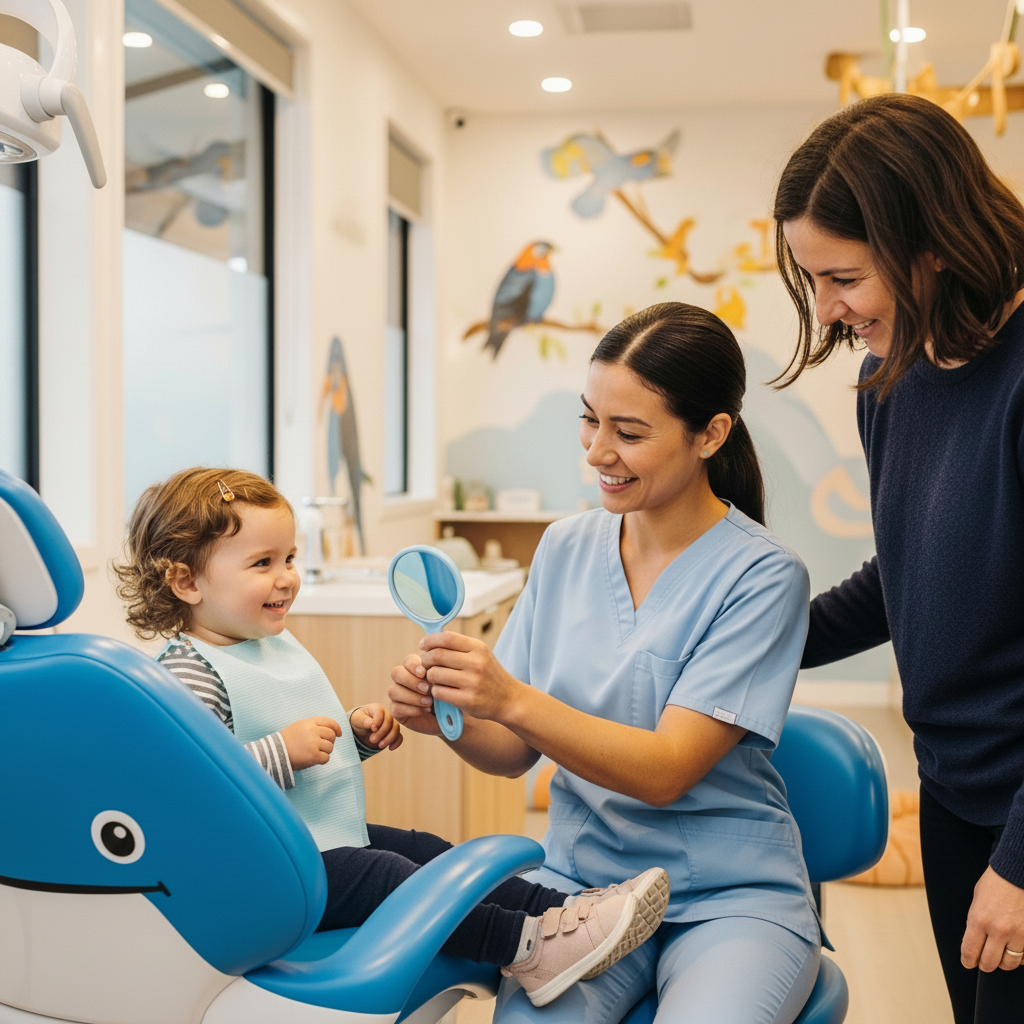
Preparing Your Child for a Positive Dental Experience
The way a parent or guardian frames the dental visit has a profound impact on the child’s experience. A calm and positive attitude is contagious. It is best to avoid using negative words like “pain,” “hurt,” or “shot” when discussing the appointment. Instead, explain the visit in simple, positive terms, such as “the dentist will count your teeth and make sure they are strong and shiny.” Reading books or watching child-friendly videos about visiting the dentist can also be an excellent way to familiarise them with the process. Scheduling the appointment at a time of day when your child is well-rested and not hungry can also contribute to a smoother, more successful visit for everyone involved. Investing in this early care builds a strong foundation for a future of healthy smiles.