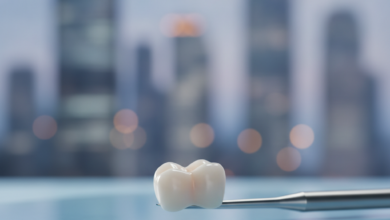
Dental Implants vs Bridges: What’s Better in New Zealand?
The dental implant procedure is a multi-stage surgical process that can span several months. The typical timeline involves an initial consultation with 3D imaging, the surgical placement of the titanium post, a healing period of 3-6 months for osseointegration, the placement of the abutment, and finally, the fitting of the permanent crown. While this process is longer, it is often considered the gold standard for tooth replacement due to its exceptional stability and longevity. The result is a replacement tooth that feels and functions identically to a natural one, with stimulation of the jawbone that prevents bone loss over time. For more details on the procedure and costs in the region, you can explore comprehensive guides on dental implants in New Zealand.
Dental Implants vs Bridges: What’s Better in New Zealand? When faced with the challenge of a missing tooth or several missing teeth, the decision on how to restore your smile is a significant one. It impacts not only your appearance but also your oral health, chewing function, and long-term well-being. Two of the most common and effective solutions offered by modern dentistry are dental implants and dental bridges. Both options successfully fill the gap left by a missing tooth, but they do so in fundamentally different ways, each with its own set of advantages, disadvantages, and implications for your future dental health. Understanding the intricate details of each procedure is crucial for making an informed choice that aligns with your health goals, budget, and lifestyle. This comprehensive guide will explore the key differences, procedural steps, and long-term outcomes to help you determine which solution is superior for your unique situation.
Understanding the Core Solutions for Missing Teeth
Before diving into a direct comparison, it is essential to have a clear understanding of what each of these restorative options entails. They are not interchangeable solutions; they represent different philosophies in dental restoration. A dental implant is a surgical solution that replaces the root of the tooth, while a dental bridge is a prosthetic solution that uses adjacent teeth as anchors to “bridge” the gap.
What Exactly is a Dental Implant?
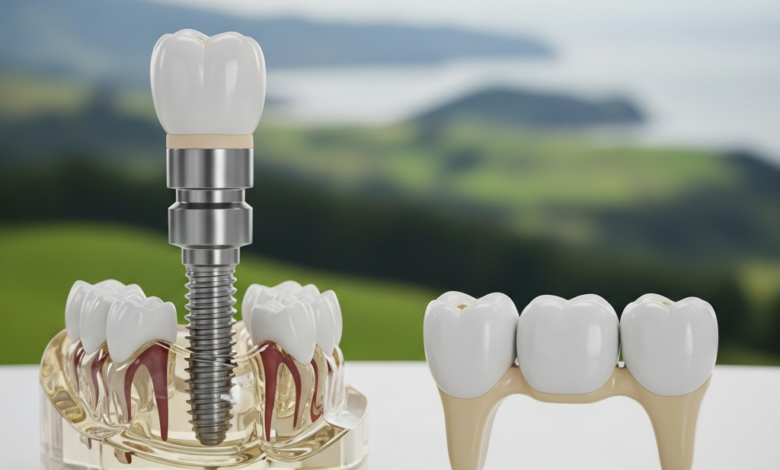
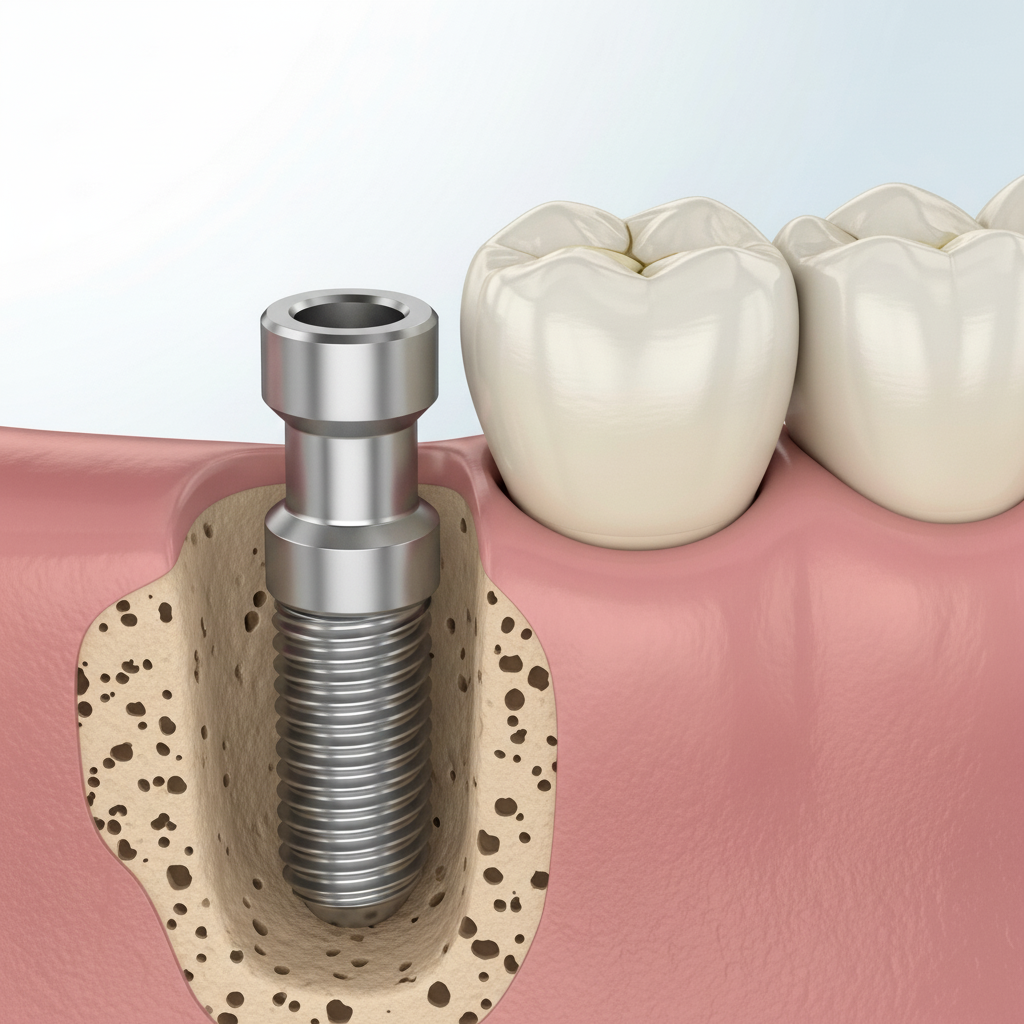
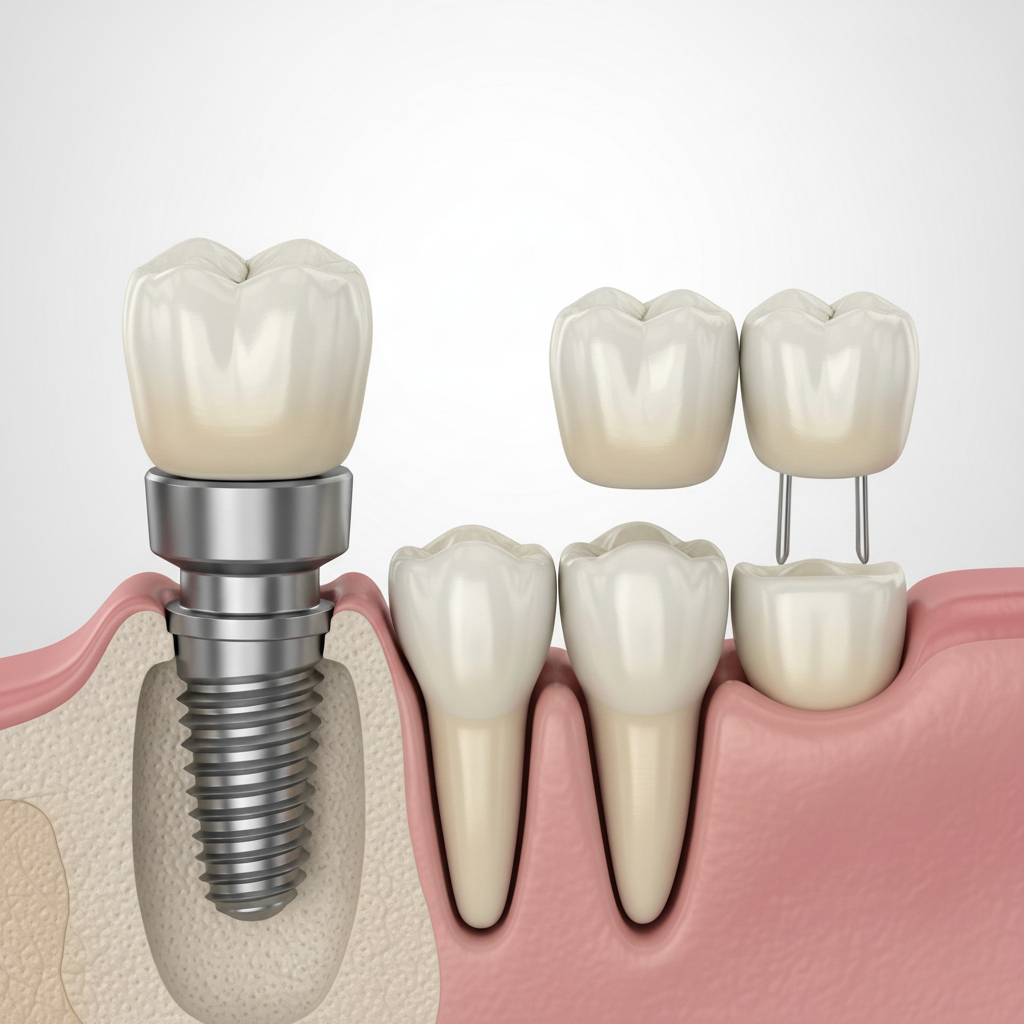
A dental implant is a revolutionary tooth replacement technology that mimics the structure of a natural tooth from root to crown. It is composed of three primary parts:
- The Implant Post: This is a small, screw-like post typically made from biocompatible titanium. It is surgically placed directly into the jawbone where the original tooth root was located. Over several months, a process called osseointegration occurs, where the bone fuses with the titanium post, creating an incredibly strong and stable foundation.
- The Abutment: Once osseointegration is complete, an abutment is attached to the implant post. This component acts as a connector, protruding just above the gum line to hold the final crown.
- The Crown: A custom-made crown, designed to match the colour, shape, and size of your surrounding natural teeth, is then secured to the abutment. This is the visible part of the restoration that looks and functions just like a real tooth.
The key takeaway for implants is that they are a standalone solution. They do not rely on or affect the neighbouring teeth, which is a significant long-term health advantage.
What is a Traditional Dental Bridge?
A dental bridge, specifically a traditional fixed bridge, is a non-surgical option for replacing one or more consecutive missing teeth. It consists of two main parts:
- The Pontic: This is the artificial tooth (or teeth) that fills the empty space. It is typically crafted from porcelain, zirconia, or other durable materials to blend in with your natural smile.
- The Abutment Crowns: To hold the pontic in place, the natural teeth on either side of the gap, known as abutment teeth, must be prepared. This involves a dentist shaving down a significant amount of their healthy enamel to make room for crowns to be placed over them. These crowns are fused to the pontic, creating a single solid unit that is then cemented onto the prepared abutment teeth.
Essentially, the bridge relies entirely on the strength and health of the adjacent teeth for its support. This fundamental difference in structure and support is the primary driver behind most of the pros and cons of each option.
A Detailed Look at the Procedural Differences
The Dental Implant Process
The Dental Bridge Procedure
Getting a dental bridge is a much faster process, typically completed in just two or three visits over a few weeks. The first main appointment involves preparing the abutment teeth by removing enamel and taking impressions. A temporary bridge is placed while the permanent one is fabricated in a dental laboratory. At the second appointment, the permanent bridge is checked for fit and bite, then permanently cemented into place. While faster, this process involves the irreversible alteration of what may be perfectly healthy teeth, a factor that must be carefully considered.
Head-to-Head Comparison: Dental Implants vs Bridges
To make the decision clearer, it helps to directly compare the two options across several critical factors. Each factor can carry different weight depending on a patient’s individual priorities, from long-term health to initial cost.
| Feature | Dental Implants | Dental Bridges |
|---|---|---|
| Durability & Lifespan | Extremely high. The implant post can last a lifetime with proper care. The crown may need replacement every 15-25 years. | Good. A well-maintained bridge typically lasts 7-15 years before needing replacement. |
| Impact on Adjacent Teeth | None. Implants are independent and do not affect neighbouring teeth, preserving their natural structure. | |
| Jawbone Health | Preserves and stimulates the jawbone through osseointegration, preventing bone loss and facial collapse. | Does not stimulate the jawbone. The bone beneath the pontic can deteriorate over time, potentially affecting facial structure. |
| Oral Hygiene & Maintenance | Cared for like a natural tooth with standard brushing and flossing. No special tools are required. | Requires special cleaning tools like floss threaders to clean underneath the pontic, making hygiene more complex. |
| Aesthetics | Excellent. Often considered the most natural-looking replacement as the crown emerges directly from the gum line. | Very good. Modern materials create a natural appearance, but a dark line at the gum may become visible over time if gums recede. |
| Upfront Cost | Higher initial investment per tooth due to the surgical procedure and high-quality materials. | Lower initial cost, as it’s a non-surgical procedure covering up to three teeth (two crowns, one pontic). |
Making the Best Long-Term Decision for Your Health
When evaluating these options, it’s vital to think beyond the initial cost and treatment time. The long-term implications for your overall oral health are paramount. Dental implants are widely regarded by clinicians as the superior long-term investment. By preserving the jawbone and leaving adjacent teeth untouched, they prevent a cascade of future dental problems that can arise from bone loss or the failure of abutment teeth under a bridge. Scientific literature consistently supports the high success rates of implants. A long-term clinical study published by the National Center for Biotechnology Information highlighted the impressive survival rates of single-tooth implants compared to traditional tooth-supported bridges, reinforcing their reliability as a permanent solution.
While a bridge may seem like a more straightforward and affordable option initially, its lifespan is shorter. The need for replacement every 10-15 years can mean that the cumulative cost over a lifetime may equal or even exceed that of a single dental implant. Furthermore, if one of the abutment teeth supporting the bridge develops decay or fails, the entire bridge is compromised, leading to more extensive and costly dental work. For these reasons, a dental implant is often the most conservative and health-conscious choice, providing a permanent, functional, and beautiful solution that protects the integrity of your entire mouth.