
How Much Does a Dentist Cost in New Zealand? Full Price Guide (2026)
How Much Does a Dentist Cost in New Zealand? Full Price Guide (2026)
Understanding the financial landscape of dental care in New Zealand is a crucial step for anyone looking to maintain their oral health. Unlike general healthcare, adult dental services are largely privatised, meaning patients bear the full cost of most treatments. This can lead to significant and often unexpected expenses, causing many Kiwis to delay or avoid necessary procedures. The price of a dental visit is not a single, fixed number; it is influenced by a complex interplay of factors including the clinic’s location, the technology used, the dentist’s expertise, and the specific treatment required. This comprehensive guide will break down the typical costs of dental services across New Zealand, explore the factors that drive these prices, and discuss the available options for managing these essential healthcare expenses.

Factors Influencing Dental Prices in New Zealand
Before diving into specific procedure costs, it’s important to understand why prices can vary so dramatically from one clinic to another. The final bill you receive is a reflection of numerous operational and professional costs that are essential for providing safe and effective dental care.
Clinic Location and Overhead
One of the most significant factors is the clinic’s physical location. A dental practice in a central business district of a major city like Auckland or Wellington will face substantially higher rent and operational overheads compared to a clinic in a smaller town or suburban area. These costs, which include staff salaries, utilities, and property maintenance, are inevitably passed on to the patient. Therefore, you may find that travelling to a clinic outside of a major metropolitan hub can result in lower treatment fees.
Technology and Materials Used
Modern dentistry has seen incredible advancements in technology and materials, leading to more effective, comfortable, and durable treatments. However, this innovation comes at a price. Clinics that invest in state-of-the-art equipment such as digital X-rays, 3D CBCT scanners, intraoral cameras, and CEREC machines (for same-day crowns) have higher capital expenses. Similarly, the quality of materials used—such as high-grade composite resin for fillings or zirconia and E-max porcelain for crowns—directly impacts both the longevity of the restoration and its cost. A clinic using premium materials will naturally charge more than one using standard alternatives.
Dentist’s Experience and Specialisation
The expertise of the dental professional plays a vital role in pricing. A general dentist with decades of experience will likely have a different fee structure than a recent graduate. Furthermore, specialist care costs significantly more than general dentistry. Specialists like orthodontists (for braces), periodontists (for gum disease), endodontists (for root canals), and oral surgeons have undergone years of additional, intensive training in their respective fields. Their specialised knowledge and skills command higher fees, which are justified by their ability to handle complex and challenging cases.
Breakdown of Common Dental Procedure Costs
To provide a clear picture of what you can expect to pay, we have compiled a table outlining the average cost range for common dental treatments in New Zealand. Please note that these are estimates for 2026 and can vary based on the factors mentioned above. It is always best to request a detailed quote from your chosen clinic before commencing treatment.
| Dental Procedure | Average Cost Range (NZD) | Notes and Description |
|---|---|---|
| New Patient Examination & Consultation | $90 – $150 | Includes a thorough examination of teeth and gums, oral cancer screening, and a discussion of your dental history. |
| Standard Dental X-rays (Bitewings) | $50 – $120 | Typically includes two to four images to detect decay between teeth and assess bone levels. |
| Professional Clean (Scale and Polish) | $120 – $220 | Performed by a dentist or dental hygienist to remove plaque and tartar buildup. Price varies by time required. |
| Composite (White) Filling | $200 – $550+ | Cost depends on the size and location of the cavity. Molar fillings are generally more expensive. |
| Simple Tooth Extraction | $250 – $400 | For teeth that are visible and can be removed without significant surgical intervention. |
| Surgical Tooth Extraction | $450 – $800+ | Required for impacted teeth (like wisdom teeth) or teeth broken below the gum line. |
| Root Canal Therapy | $900 – $2,500+ | Price varies significantly based on the tooth. Molars have more canals and are more complex and costly to treat. |
| Porcelain or Zirconia Crown | $1,500 – $2,500 | A custom-made cap placed over a tooth to restore its shape, size, and strength, often after a root canal. |
| Single Dental Implant | $5,000 – $8,000 | Includes the titanium implant, the abutment, and the final crown. This is a comprehensive tooth replacement solution. |
The Reality of the Dentist Cost in New Zealand
The figures in the table highlight a stark reality: comprehensive dental work in New Zealand is a major financial commitment. Unlike medical care, which is heavily subsidised by the government, most adult dental care receives no public funding. According to the New Zealand Ministry of Health, publicly funded services are generally limited to children and adolescents up to their 18th birthday, as well as adults with specific medical conditions or those requiring emergency relief of pain through Work and Income grants. This leaves the vast majority of the adult population responsible for the full cost of their care. This financial barrier is a primary reason why Kiwis fly to Turkey for new teeth and other major dental procedures, seeking high-quality care at a fraction of the local price.
Managing and Reducing Your Dental Expenses
While the costs are high, there are several avenues New Zealanders can explore to manage their dental expenses. Planning ahead and understanding your options can make a significant difference in your ability to access the care you need.
Private Health Insurance
Many private health insurance providers in New Zealand offer plans that include some level of dental cover. However, it’s essential to read the policy details carefully. Most plans have annual limits, which may only cover a portion of major procedures like crowns or implants. There are also often waiting periods before you can claim for certain treatments, so taking out insurance just before you need it is not usually a viable option.
Public Funding and ACC
As mentioned, public funding for adults is very limited. It is primarily for emergency situations to get a person out of pain, and the criteria for accessing these funds via Work and Income are stringent. The Accident Compensation Corporation (ACC) can help with the cost of dental treatment if your injury is the result of an accident, a sporting injury, or as a result of medical or dental treatment. However, it does not cover issues arising from normal wear and tear, decay, or gum disease.
Exploring Dental Tourism
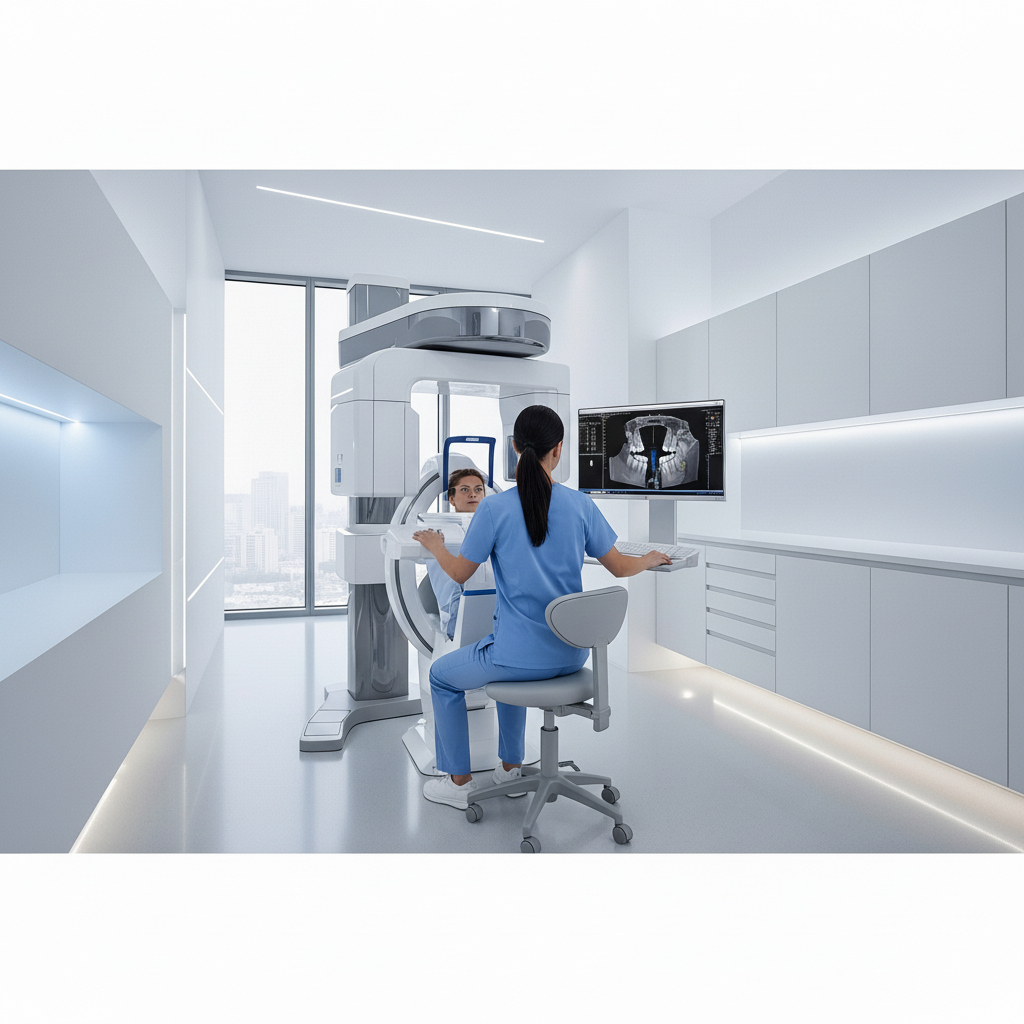
For non-emergency and extensive dental work, such as multiple implants, full-mouth restorations, or cosmetic smile makeovers, dental tourism has emerged as a highly practical and cost-effective solution. The cost savings can be immense, often reaching 50-70% less than New Zealand prices, even after accounting for flights and accommodation. Reputable dental tourism destinations offer clinics with world-class technology, internationally trained and accredited dentists, and materials that meet the highest global standards. This allows patients to receive premium care without the prohibitive price tag, turning a daunting medical expense into a manageable and planned investment in their long-term health.





One Comment