Does Insurance Cover Dental Implants in New Zealand?
Dental implants represent a gold standard in restorative dentistry, offering a durable and aesthetically pleasing solution for missing teeth. Unlike traditional dentures or bridges, implants are surgically placed into the jawbone, providing a stable foundation for artificial teeth that look, feel, and function like natural ones. This integration process, known as osseointegration, is key to their long-term success.

Does Insurance Cover Dental Implants in New Zealand?
Navigating the landscape of healthcare costs can be a complex endeavor, especially when it comes to specialized dental procedures like dental implants. In New Zealand, a country renowned for its natural beauty and innovative spirit, the question of whether insurance extends to cover such advanced treatments is a common concern for many individuals seeking to restore their smile and oral health. Understanding the intricacies of the New Zealand healthcare system and the specific clauses of various insurance policies is crucial for anyone considering dental implants.
Understanding Dental Implants: A Foundation for Coverage
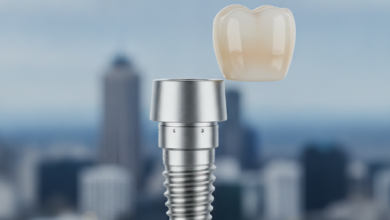
The procedure typically involves several stages: an initial consultation and assessment, potential bone grafting, surgical placement of the titanium implant post, a healing period for osseointegration, and finally, the attachment of an abutment and a custom-made crown or bridge. Given the surgical nature and advanced materials involved, dental implants are considered a significant investment in oral health. Their benefits extend beyond aesthetics, contributing to better chewing function, speech, and the prevention of bone loss in the jaw.
The Unique Healthcare and Dental Insurance Landscape in New Zealand
New Zealand operates a publicly funded healthcare system, which provides a wide range of services to its citizens and permanent residents. However, dental care, particularly for adults, largely falls outside the scope of publicly funded services, with most treatments requiring private payment. This means that for the majority of adults, the cost of dental procedures, including advanced restorative treatments like implants, must be borne out-of-pocket or through private insurance.
While some basic dental services for children and adolescents are covered, and certain emergency dental treatments might be partially covered under specific circumstances (such as accidents or very low-income situations via government assistance like WINZ), comprehensive adult dental care is predominantly private. This stark reality means individuals often seek private health or dental insurance to mitigate these costs.
Insurance Cover Dental Implants in New Zealand: What to Expect
When it comes to dental implants, insurance coverage in New Zealand is not straightforward and often presents a challenge. General health insurance policies typically offer very limited, if any, coverage for routine or major dental work. Most comprehensive health insurance plans focus on hospital stays, specialist consultations, and prescription medications, with dental care often treated as a separate, optional add-on or an entirely excluded category.
To gain any form of Insurance Cover Dental Implants in New Zealand, individuals usually need to invest in a specific dental insurance policy or a higher-tier health insurance plan that includes extensive dental benefits. Even then, coverage for dental implants is rarely 100% and is subject to numerous terms and conditions.
Here’s a breakdown of common considerations:
- Waiting Periods: Most dental insurance policies impose waiting periods before you can claim for major dental procedures. This could range from 6 to 12 months, or even longer, after purchasing the policy.
- Annual Limits: Policies almost always have an annual maximum benefit limit. Given the cost of dental implants, this limit is often significantly lower than the total cost of the procedure, meaning a substantial portion will still be out-of-pocket.
- Percentage of Coverage: Instead of a fixed amount, policies often cover a percentage of the treatment cost (e.g., 50% or 80%). The patient is responsible for the remaining percentage.
- Exclusions: Pre-existing conditions are frequently excluded. If a tooth was missing before you took out the policy, the implant to replace it might not be covered. Cosmetic procedures are also often excluded, although implants are typically considered restorative.
- Medical Necessity vs. Elective: Insurers might distinguish between implants deemed medically necessary (e.g., due to an accident covered by ACC) and those considered elective or purely cosmetic.
- Accident Compensation Corporation (ACC): If the need for dental implants arises from an injury caused by an accident, ACC may provide some coverage for the treatment costs. This is an important avenue to explore if the damage is accident-related.
| Coverage Aspect | Typical New Zealand Insurance Stance | Implication for Dental Implants |
|---|---|---|
| General Health Insurance | Limited or no dental coverage; often an optional add-on. | Rarely covers implants directly; supplemental dental policy needed. |
| Specific Dental Insurance | More likely to offer some coverage, often for “major dental.” | Subject to waiting periods, annual limits, and percentage caps. |
| Annual Benefit Limits | Commonly between NZD $1,000 – $3,000 for major dental. | Will likely only cover a fraction of the total implant cost. |
| Waiting Periods | Typically 6-12 months for major dental work. | Cannot claim immediately after policy purchase. |
| Pre-existing Conditions | Usually excluded or subject to strict conditions. | If tooth was missing beforehand, implant may not be covered. |
| Medical Necessity | Higher chance of coverage if deemed medically necessary (e.g., post-accident). | May require dentist and insurer substantiation of necessity. |
| Cosmetic Exclusions | Purely cosmetic procedures are almost always excluded. | Implants are generally restorative, but some aspects might be scrutinised. |
Navigating the Cost of Dental Implants in New Zealand
Given the often-limited insurance coverage, understanding the actual cost of dental implants in New Zealand is paramount. The price can vary significantly based on several factors: the complexity of the case, the number of implants required, the materials used (e.g., type of crown), any preparatory procedures like bone grafting or sinus lifts, the experience and location of the dental clinic, and post-operative care.
Generally, a single dental implant in New Zealand can range from NZD $5,000 to NZD $8,000 or more. This usually includes the implant post, abutment, and crown, but might not always encompass preliminary consultations, X-rays, 3D scans, extractions, or any necessary bone augmentation. For multiple implants or full-arch restorations, the total cost can easily reach tens of thousands of dollars.
Many patients find that even with dental insurance, they are responsible for a significant portion of the cost. This financial aspect often leads individuals to explore various payment options or consider alternative solutions. Some dental clinics offer payment plans, allowing patients to spread the cost over several months or years. Medical finance companies also provide loans specifically for larger dental procedures.
The Global Perspective: Comparing Implant Costs and Accessibility
While the discussion focuses on New Zealand, it’s worth noting that the cost of dental implants and the availability of comprehensive insurance coverage can differ dramatically across countries. In many Western nations, similar challenges exist regarding insurance and high out-of-pocket expenses. This disparity often leads individuals to explore dental tourism, where countries like Turkey, known for advanced dental facilities and competitive pricing, attract international patients seeking high-quality care at a more affordable rate. The standards of dental care, materials, and technology in leading dental tourism destinations are often comparable to, or even exceed, those found in higher-cost regions.
For further information on general principles and advancements in dental implantology, one can consult reputable scientific sources. The Wikipedia page on dental implants provides a comprehensive overview of the history, types, procedures, and considerations involved in this restorative treatment.
Making an Informed Decision About Dental Implants
For those in New Zealand considering dental implants, a multi-faceted approach to planning is essential.
- Consult with Your Dentist: A thorough examination and consultation with a qualified dental professional are the first steps. They can assess your oral health, determine your suitability for implants, and provide a detailed treatment plan and accurate cost estimate.
- Review Your Insurance Policy: Carefully scrutinize your existing health insurance policy or any prospective dental insurance plans. Pay close attention to sections on major dental work, waiting periods, annual limits, and exclusions for pre-existing conditions.
- Contact Your Insurer: Speak directly with your insurance provider to clarify what aspects of dental implant treatment, if any, are covered under your specific plan. Ask for written confirmation to avoid misunderstandings.
- Explore All Financial Options: Beyond insurance, investigate payment plans offered by clinics, personal loans, or medical finance options. For accident-related issues, always check eligibility with ACC.
- Consider Alternatives: While implants are highly effective, discuss other restorative options like bridges or dentures with your dentist, understanding their pros, cons, and cost implications.

While the prospect of obtaining full insurance coverage for dental implants in New Zealand may be challenging, with careful planning, detailed research, and proactive communication with both dental professionals and insurance providers, individuals can navigate the process more effectively and make informed decisions about their oral health investment. The enduring benefits of dental implants, including enhanced function, aesthetics, and long-term oral health, often make the investment worthwhile for those seeking a permanent solution for missing teeth.
”