Dental Implants Cost in New Zealand (2026) – Full Guide
1. Number of Implants: This is perhaps the most straightforward factor. A single implant will naturally cost less than multiple implants, a full arch, or a full mouth reconstruction. Each additional implant post, abutment, and crown contributes to the overall expense.
Dental Implants Cost in New Zealand (2026) – Full Guide
Dental implants have revolutionized restorative dentistry, offering a durable, aesthetically pleasing, and functional solution for missing teeth. For residents of New Zealand considering this advanced treatment, understanding the associated costs is a crucial first step. This comprehensive guide aims to demystify the financial aspects of dental implants in New Zealand for 2026, exploring the factors that influence pricing, the components involved, and the long-term value they provide.
Understanding Dental Implants: More Than Just a Tooth
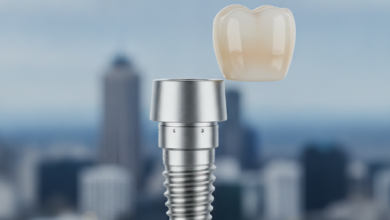
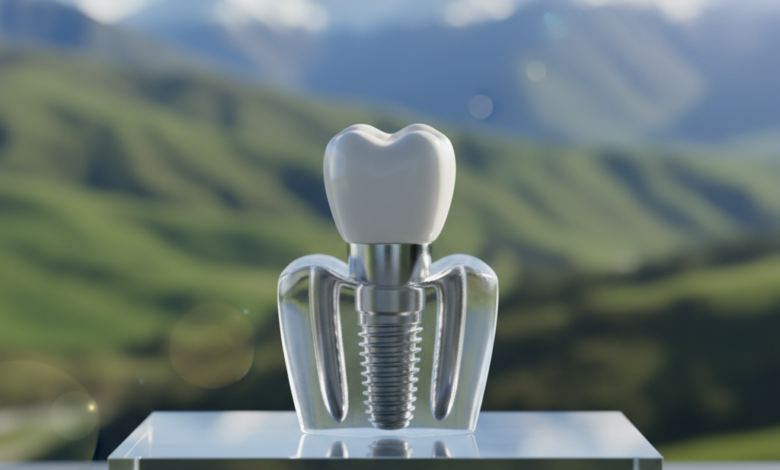
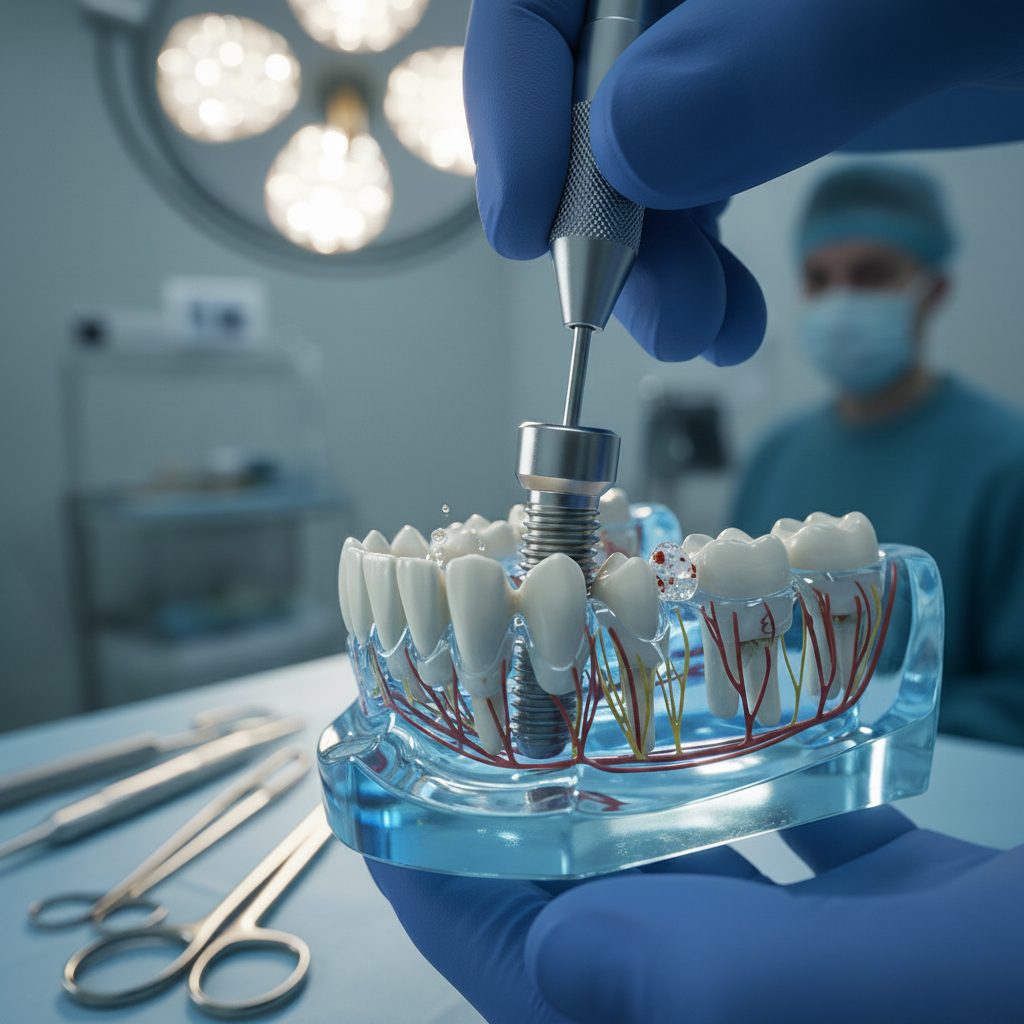
Dental implants are sophisticated prosthetics designed to mimic the natural structure of a tooth, from root to crown. They consist of three primary components: the implant post (a small, screw-shaped titanium post surgically placed into the jawbone), the abutment (a connector piece that sits on top of the implant), and the crown (the visible, custom-made tooth restoration). This intricate design provides unparalleled stability and comfort, making them a preferred choice over traditional dentures or bridges for many patients. The procedure involves several stages, including initial consultation, implant placement, a healing period (osseointegration), abutment attachment, and crown placement. Each stage contributes to the overall complexity and, consequently, the cost.
The Value Proposition of Dental Implants
While the initial investment for dental implants might seem significant, it’s essential to consider their long-term benefits and durability. Unlike bridges, which often require altering adjacent healthy teeth, implants stand alone, preserving your natural dentition. They prevent bone loss in the jaw, a common consequence of missing teeth, which helps maintain facial structure and oral health. With proper care, dental implants can last a lifetime, making them a cost-effective solution in the long run compared to options that may require more frequent replacement or repair. The ability to eat, speak, and smile with confidence also represents an invaluable return on investment in quality of life.
Factors Influencing Dental Implants Cost in New Zealand (2026)
The cost of dental implants in New Zealand is not a single, fixed price. It varies significantly based on a multitude of factors, reflecting the personalized nature of the treatment. Understanding these variables will help individuals prepare financially and make informed decisions.
2. Type of Implant and Material: While most implants are made from biocompatible titanium, there can be variations in brand, design, and surface treatment. Some clinics may offer different grades or brands of implants, which can have slight cost differences. Zirconia implants, for instance, are an alternative to titanium, often chosen for aesthetic reasons or in cases of titanium allergy, and can sometimes be priced differently.
3. Additional Procedures Required: Many patients require preparatory treatments before an implant can be successfully placed. These can include:
- Bone Grafting: If there isn’t sufficient jawbone density to support the implant, a bone graft may be necessary. This procedure adds significantly to the overall cost and treatment time.
- Sinus Lift: For implants in the upper jaw, especially near the molars, a sinus lift may be required to add bone to the area if the sinus cavity is too close to the jawbone.
- Tooth Extraction: If a damaged tooth needs to be removed before implant placement, this will be an additional cost.
- Gum Grafting: To ensure proper gum health and aesthetics around the implant.
4. Dentist’s Experience and Clinic Location: Highly experienced oral surgeons or periodontists who specialize in implant dentistry may charge more for their expertise. Similarly, clinics located in major metropolitan areas like Auckland, Wellington, or Christchurch might have higher overheads, which can be reflected in their pricing compared to those in smaller towns.
5. Diagnostic Imaging and Technology: Before implant placement, detailed imaging, such as 3D CT scans (Cone Beam CT), is crucial for precise planning. Clinics using advanced digital dentistry technologies for planning and execution might factor these into the total cost, though they often lead to more predictable and successful outcomes. You can learn more about advanced dental practices by visiting Digital Dentistry in New Zealand: Latest Technology Explained.
6. Anesthesia Options: While local anesthesia is standard, options like conscious sedation or general anesthesia for nervous patients or complex cases will add to the total expense.
7. Laboratory Fees: The custom-made crown that sits atop the implant is fabricated by a dental laboratory. The quality of materials and the skill of the lab technician play a role in the final aesthetic and functional outcome, and these fees are part of the overall cost.
Typical Cost Breakdown for a Single Dental Implant in New Zealand (2026 Estimate)
It’s challenging to provide exact figures due to the variability mentioned above, but here’s a general estimate for a single dental implant procedure in New Zealand in 2026. These figures are illustrative and can vary widely.
| Service Component | Estimated Cost Range (NZD) Per Implant | Notes |
|---|---|---|
| Initial Consultation & X-rays | $100 – $300 | Comprehensive examination, basic X-rays. CT scan may be additional. |
| 3D CT Scan (if required) | $300 – $600 | Crucial for precise surgical planning. |
| Surgical Placement of Implant Post | $2,000 – $4,000 | Cost of the titanium implant itself and the surgical procedure. |
| Abutment (Connector) | $500 – $1,000 | Connects the implant post to the crown. |
| Custom Dental Crown | $1,500 – $2,500 | Fabrication and placement of the final restoration. |
| Temporary Crown/Denture (if needed) | $300 – $800 | Optional, used during the healing phase. |
| Bone Grafting / Sinus Lift (if needed) | $1,000 – $4,000+ | Adds significant cost, highly variable based on complexity. |
| Follow-up Appointments & Adjustments | Included in overall fee or small separate charges | Post-surgical checks and final adjustments. |
| Estimated Total for a Single Implant (without major grafts) | $4,400 – $8,400+ | This is a broad estimate for a relatively straightforward case. |
For multiple implants or full-arch restorations (such as “all-on-4” or “all-on-6”), the total cost can range from $20,000 to $50,000+ or even higher, depending on the number of implants, complexity, and materials chosen. It is imperative to receive a detailed, itemized quote from your chosen dental professional after a thorough examination.
Navigating Payment and Insurance
In New Zealand, dental implants are generally considered an elective cosmetic or restorative procedure, and therefore, they are typically not covered by public healthcare (DHB). Private dental insurance plans may offer partial coverage, but this varies significantly between policies. Patients should review their insurance details carefully and consult with their provider. Many clinics offer payment plans or financing options to help spread the cost over time, making treatment more accessible. It’s always advisable to discuss all financial arrangements with your chosen clinic’s administrative staff. For a deeper understanding of insurance in New Zealand, you can check resources like Health care in New Zealand on Wikipedia.
Choosing Your Dental Provider in New Zealand
Selecting the right dental professional for your implant treatment is as crucial as understanding the costs. Look for a dentist or specialist with extensive experience in implant dentistry, verifiable credentials, and a strong track record of successful outcomes. Don’t hesitate to ask about their training, the technology they use, and to see before-and-after photos of their previous cases. A transparent clinic will provide a detailed treatment plan outlining each step, expected costs, and potential alternatives.
The Implant Process: A Step-by-Step Overview
Understanding the journey involved in getting dental implants can help patients mentally and financially prepare.
1. Initial Consultation and Assessment: This involves a thorough oral examination, review of your medical history, X-rays, and often a 3D CT scan. The dentist will assess your jawbone density, overall oral health, and discuss your treatment goals. This is where a personalized treatment plan is developed, and a comprehensive cost estimate is provided.
2. Pre-Surgical Procedures (If Needed): If bone grafting, sinus lift, or tooth extractions are required, these procedures will be performed first. A healing period will follow to allow the treated area to recover and integrate.
3. Implant Placement Surgery: The titanium implant post is surgically inserted into the jawbone beneath the gum tissue. This is typically done under local anesthesia, though sedation options are available. Following placement, the gum tissue is often closed over the implant, initiating the healing process.
4. Osseointegration (Healing Period): This is a critical phase where the implant fuses with the surrounding jawbone. This process can take anywhere from 3 to 6 months, ensuring the implant is stable enough to support a crown. During this time, a temporary prosthetic might be worn.
5. Abutment Placement: Once osseointegration is complete, a minor surgical procedure may be performed to expose the top of the implant and attach the abutment, which is the small connector piece.
6. Crown Fabrication and Placement: Impressions of your teeth and the abutment are taken to create a custom-made crown that matches your natural teeth in shape, size, and color. Once fabricated by a dental lab, the crown is then permanently attached to the abutment.
The timeline for the entire process can range from a few months to over a year, depending on the individual’s needs and any necessary preliminary procedures.
Long-Term Care and Longevity
The longevity of dental implants is remarkable, often lasting decades or even a lifetime with proper care. This includes diligent brushing and flossing, regular dental check-ups, and avoiding habits like chewing on ice or using your teeth as tools. Implants are not susceptible to cavities, but the surrounding gum tissue can still be affected by periodontal disease, which can compromise the implant if left untreated. Regular professional cleanings are vital to maintain the health of your gums and ensure the longevity of your investment.
Investing in dental implants in New Zealand is a significant decision that promises profound benefits for oral health, aesthetics, and overall quality of life. By understanding the cost factors, the treatment process, and the importance of choosing a skilled practitioner, individuals can approach this restorative solution with confidence. Obtaining a detailed and itemized quote after a thorough consultation remains the best approach to gain clarity on the financial commitment for your specific needs.

7. Follow-up and Maintenance: Regular dental check-ups and good oral hygiene practices are essential for the long-term success of your dental implants. Your dentist will provide specific instructions for cleaning and care.