Digital Dentistry in New Zealand: Latest Technology Explained
Digital Dentistry in New Zealand: Latest Technology Explained
The landscape of dental care is undergoing a transformative evolution, driven by the relentless march of technology. In New Zealand, this shift towards digital dentistry is not just a trend but a fundamental redefinition of how diagnoses are made, treatments are planned, and procedures are executed. Embracing cutting-edge tools and methodologies, dental practices across the country are moving beyond traditional techniques, offering patients more precise, efficient, and comfortable experiences. This revolutionary approach leverages sophisticated software, advanced imaging, and automated fabrication processes to enhance every facet of oral health care.
Understanding the Essence of Digital Dentistry in New Zealand
Digital dentistry encompasses any dental technology or device that incorporates digital or computer-controlled components, as opposed to purely mechanical or electrical ones. This broad definition includes everything from digital radiography and intraoral cameras to advanced CAD/CAM (Computer-Aided Design/Computer-Aided Manufacturing) systems and 3D printing. The core objective is to improve accuracy, streamline workflows, and ultimately deliver superior patient outcomes. By digitizing various stages of dental treatment, practitioners can minimize human error, reduce appointment times, and provide a more predictable and often more aesthetically pleasing result.
The transition to digital platforms represents a significant investment for clinics, but the long-term benefits for both practitioners and patients are undeniable. For patients, it often means fewer appointments, less discomfort, and a clearer understanding of their treatment plan. For dentists, it offers unparalleled precision, enhanced diagnostic capabilities, and the ability to collaborate more effectively with dental labs and specialists. This synergy of technology and expertise is what truly sets modern dental care apart.
Key Technologies Shaping Digital Dentistry in NZ
Several groundbreaking technologies are at the forefront of this digital revolution, each playing a crucial role in modernizing dental practices:
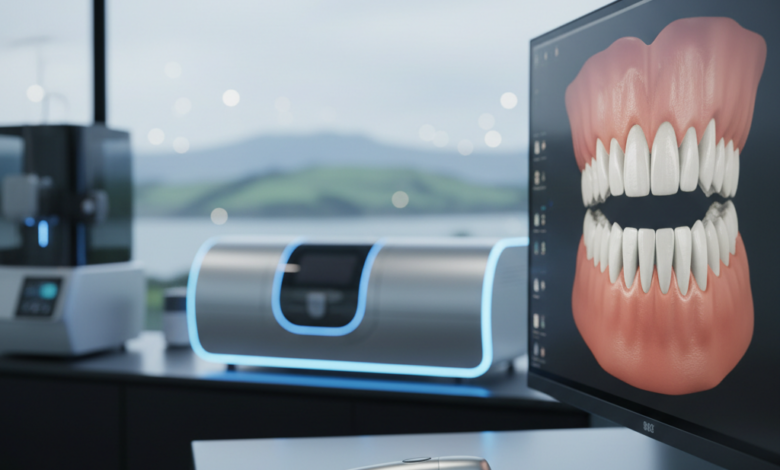
- Intraoral Scanners: These devices replace traditional, often uncomfortable, physical impressions with highly accurate 3D digital models of teeth and gums. Patients no longer need to endure gooey impression materials, making the process much more pleasant. The digital scans are immediately available for review and can be sent electronically to labs for fabrication, significantly speeding up the production of crowns, veneers, and clear aligners.
- CAD/CAM Technology: Computer-Aided Design and Computer-Aided Manufacturing systems allow dentists to design and mill dental restorations like crowns, inlays, onlays, and veneers directly in the clinic, often in a single visit. After an intraoral scan, the digital model is used to design the restoration on a computer, which is then sent to an in-office milling machine. This eliminates the need for temporary restorations and multiple appointments.
- Cone Beam Computed Tomography (CBCT): Unlike traditional 2D X-rays, CBCT provides three-dimensional images of teeth, bone, soft tissues, and nerve pathways. This detailed imaging is invaluable for planning complex procedures such as dental implants, root canal treatments, and orthodontic assessments. It offers a comprehensive view that significantly enhances diagnostic accuracy and treatment predictability, allowing dentists to foresee potential complications.
- 3D Printing: Dental 3D printers are used to create highly accurate physical models from digital scans. These models can be used for patient education, creating surgical guides for implant placement, fabricating custom trays, or even producing temporary crowns and bridges. This technology allows for rapid prototyping and customization, further enhancing the efficiency and precision of treatment.
- Digital Radiography: Digital X-rays reduce radiation exposure compared to traditional film X-rays and provide instant images that can be enhanced, stored, and shared electronically. This not only improves patient safety but also makes diagnostics more efficient and accurate.
The Transformative Benefits for Patients and Practitioners
The integration of digital technologies offers a myriad of advantages that benefit both those receiving and providing dental care:
For Patients:
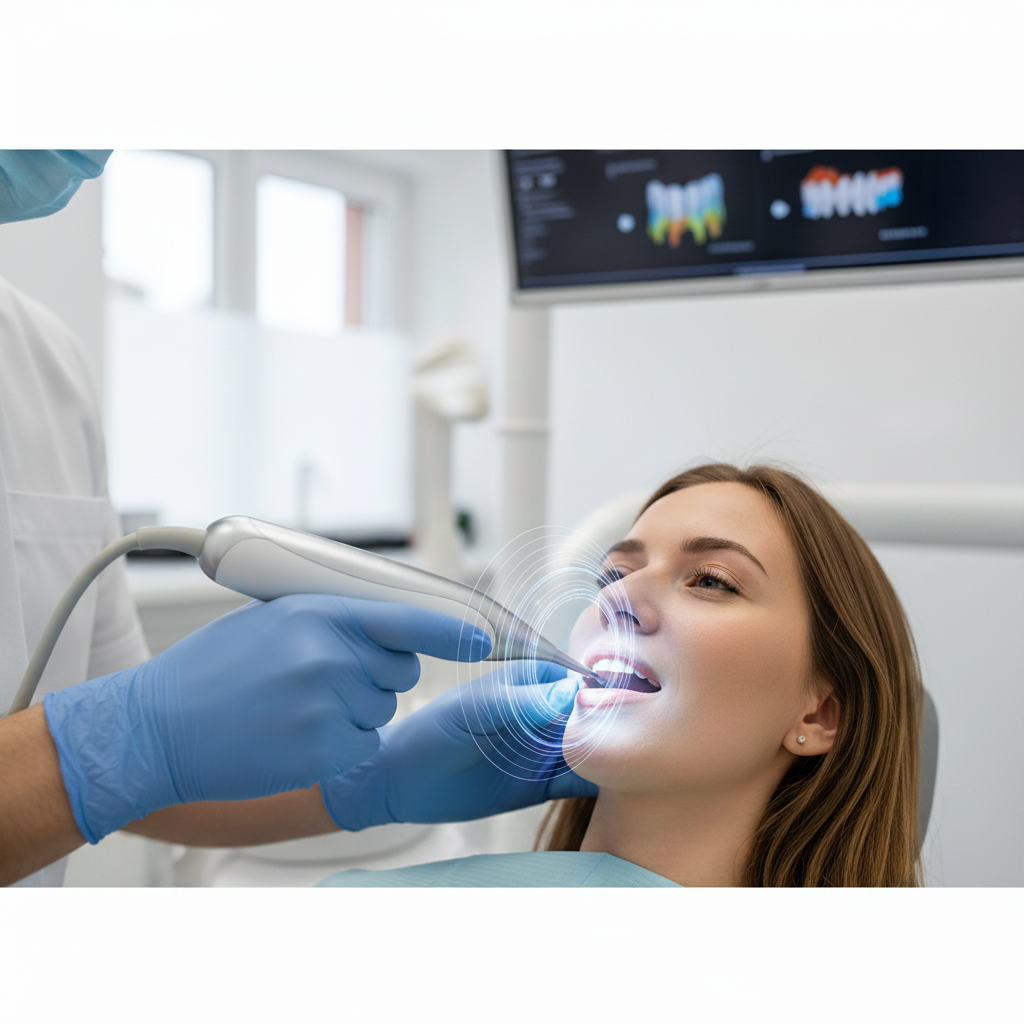
- Enhanced Comfort: No more messy impressions, reduced drilling sounds with advanced tools, and often fewer appointments.
- Increased Accuracy: Digital scans and designs lead to restorations that fit more precisely, reducing adjustments and potential issues.
- Reduced Chair Time: Single-visit procedures for crowns and other restorations mean less time spent at the dentist’s office.
- Improved Diagnostics: Detailed 3D imaging allows for earlier detection of issues and more accurate treatment planning.
- Better Understanding: Patients can view their 3D models and proposed treatment plans on screen, fostering better communication and informed decision-making.
- Superior Aesthetics: Computer-aided design often leads to restorations that blend more seamlessly with natural teeth, enhancing cosmetic outcomes.
For Practitioners:
- Greater Precision: Digital tools minimize human error, leading to more predictable and successful outcomes.
- Streamlined Workflow: Automated processes and digital data transfer reduce manual tasks and administrative burden.
- Enhanced Collaboration: Easy sharing of digital files with labs and specialists improves teamwork and communication.
- Improved Efficiency: Faster turnaround times for restorations and appliances.
- Patient Education: Visual aids help patients understand their condition and treatment options more clearly.
- Reduced Material Waste: Digital processes can be more environmentally friendly by reducing the need for physical materials.
Traditional vs. Digital Dentistry: A Comparative Overview
To fully appreciate the impact of digital dentistry, it’s helpful to consider how it contrasts with conventional methods.
| Feature | Traditional Dentistry | Digital Dentistry |
|---|---|---|
| Impressions | Physical molds (putty, trays), messy, can induce gag reflex. | Intraoral scanners, quick, clean, comfortable 3D digital models. |
| Restoration Design & Fabrication | Manual wax-ups, lab fabrication (multiple visits), potential for inaccuracies. | CAD/CAM software design, in-office milling or 3D printing (often single-visit), high precision. |
| Diagnostics | 2D X-rays, limited view of bone and soft tissues. | Digital X-rays, 3D CBCT scans (comprehensive view of anatomical structures). |
| Treatment Planning | Based on physical models and 2D images, more subjective. | Software-guided planning, virtual surgery, precise placement with surgical guides. |
| Patient Comfort | Can be uncomfortable (impressions, longer appointments). | Generally more comfortable, fewer visits, less invasive procedures. |
| Accuracy & Predictability | Relies heavily on operator skill, potential for variations. | Computer-aided precision, highly predictable outcomes. |
The Future of Oral Healthcare in New Zealand
New Zealand’s commitment to advancing healthcare naturally extends to the dental sector. Clinics are continuously adopting these digital innovations, ensuring that patients receive care that is not only effective but also aligned with global best practices. The integration of artificial intelligence (AI) in diagnostics and treatment planning is also emerging, promising even greater precision and personalization in the years to come. AI can assist in analyzing scans, identifying pathologies, and even predicting treatment success, further augmenting the capabilities of digital systems.
The evolving landscape means that patients in New Zealand can expect more streamlined journeys, from the initial consultation and precise diagnosis to the final, perfectly fitted restoration. This technological embrace positions New Zealand as a leader in delivering high-quality, patient-centric dental care. For those seeking advanced dental solutions, understanding these technologies is key to appreciating the quality of care available.
The advancements in digital dentistry are not just about new gadgets; they represent a paradigm shift towards a more patient-friendly, precise, and efficient dental experience. As these technologies continue to evolve, the standard of dental care in New Zealand will undoubtedly reach new heights, offering residents access to some of the most advanced oral health treatments available globally.
For further information on the general principles of digital dentistry, including its history and various applications, one might consult comprehensive resources such as Wikipedia’s entry on Digital Dentistry. This continuous innovation ensures that dental health remains at the forefront of medical progress.