Dental Implants in New Zealand: Cost, Procedure & Best Clinics
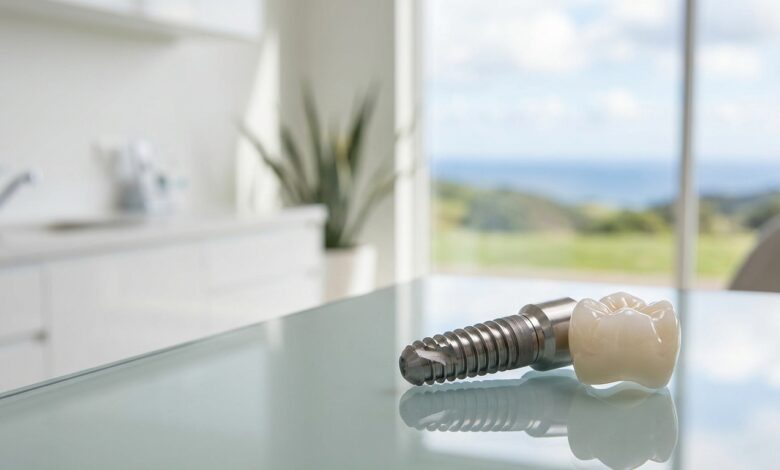
A dental implant is more than just a replacement tooth; it is a complete prosthetic system designed to mimic the structure and function of a natural tooth root and crown. The procedure is a multi-stage process that requires meticulous planning, surgical precision, and a period of biological healing. Understanding each phase is essential for managing expectations and ensuring a successful outcome.
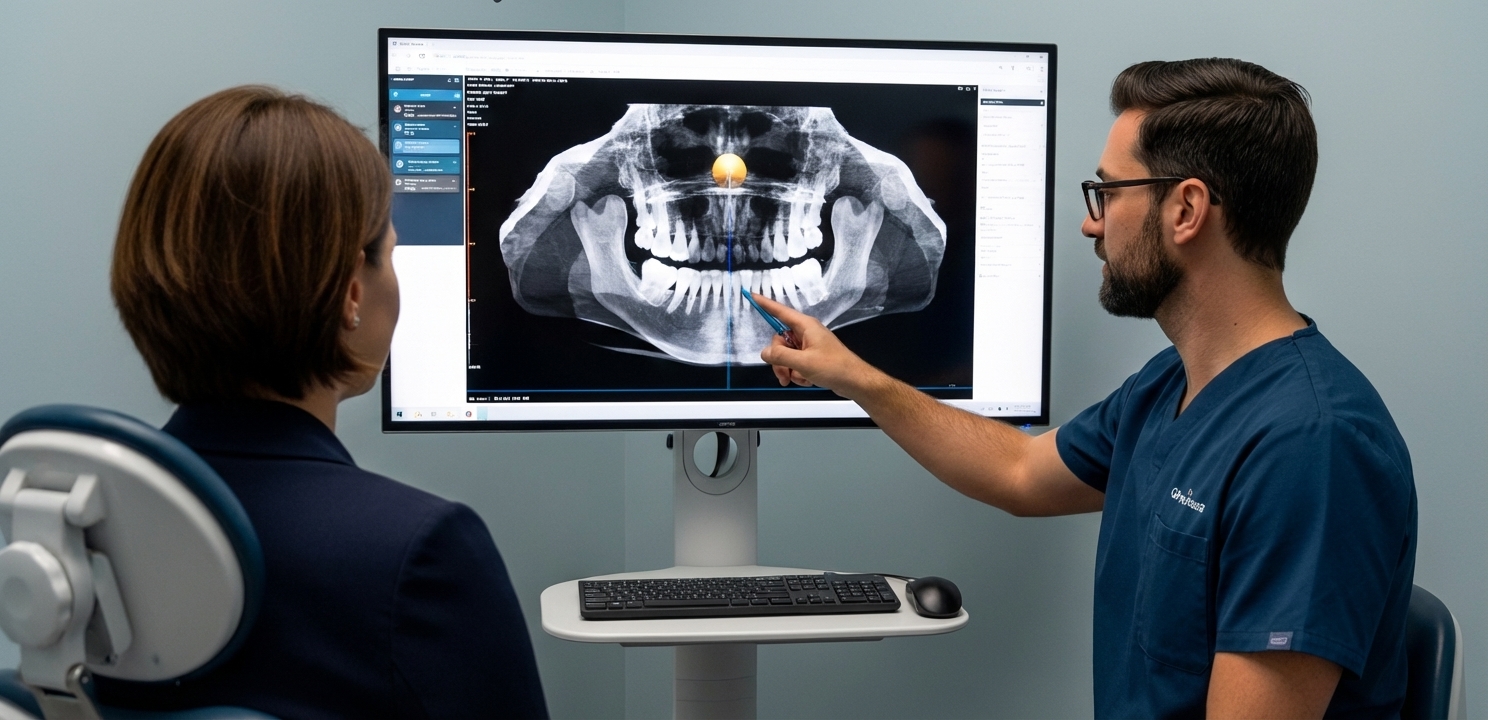
The Initial Consultation and Assessment
The first step is a thorough examination with a dental professional experienced in implantology. This is not a quick check-up but an in-depth assessment to determine your suitability for implants. This stage typically involves a comprehensive evaluation of your oral health, including the condition of your remaining teeth and gums. A key component is advanced imaging. Cone-beam computed tomography (CBCT) scans are often used to create a detailed 3D model of your jawbone. This allows the clinician to assess bone density, volume, and height, and to identify the precise location of nerves and sinuses. This detailed mapping is critical for planning the exact position, angle, and size of the implant to ensure stability and avoid complications. Your medical history will also be reviewed to identify any conditions or medications that might affect surgery or healing.
The Surgical Placement
Once a detailed treatment plan is in place, the surgical phase can begin. This procedure is typically performed under local anaesthesia, ensuring the area is completely numb and you remain comfortable. For patients with dental anxiety, sedation options may be available. The surgeon makes a small incision in the gum tissue to expose the underlying bone. Using a series of specialized drills, a precise channel, known as an osteotomy, is created in the jawbone. The sterile, biocompatible titanium implant screw is then carefully placed into this channel. The gum tissue is then repositioned and often sutured closed over the implant to protect it during the initial healing phase. This part of the process is the foundation for the entire restoration, and the surgeon’s skill is paramount to its success.
Osseointegration and Healing
Following the surgical placement, the most critical biological phase begins: osseointegration. This is the remarkable process where the living bone cells of the jaw grow onto and fuse directly with the titanium surface of the implant. This fusion creates an incredibly strong and stable anchor, effectively making the implant a part of the jawbone itself. The duration of osseointegration can vary, typically taking between three to six months. Factors such as the patient’s overall health, bone quality, and smoking habits can influence this timeline. During this period, a temporary prosthesis may be worn for aesthetic purposes. The success of this stage is fundamental to the long-term viability of the implant, as highlighted by extensive research into the biological process of osseointegration.
Abutment and Crown Placement
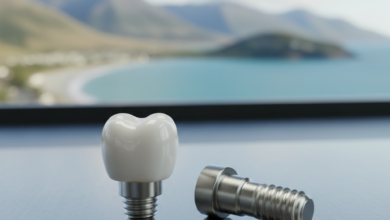
After osseointegration is complete, the final restorative phase begins. This may require a minor second procedure to expose the top of the implant. A small connecting piece called an abutment is attached to the implant post. The abutment protrudes just above the gum line and serves as the docking point for the final crown. Impressions of your mouth, the abutment, and surrounding teeth are taken to create a custom-made prosthetic crown. This crown is meticulously designed to match the colour, shape, and size of your natural teeth, ensuring a seamless and aesthetic integration into your smile. Once the final crown is fabricated by the dental laboratory, it is securely attached to the abutment, completing the restoration.
The Financial Reality of Dental Implants in New Zealand
One of the most significant considerations for patients in New Zealand is the cost. Dental implant treatment is a highly specialized service that involves expensive materials, advanced technology, and extensive clinical expertise, all of which contribute to a high price point. The cost for a single dental implant in New Zealand, including the surgery, abutment, and crown, can range significantly. It is crucial to obtain a detailed quote that breaks down every component of the treatment to avoid unexpected expenses.
Several factors contribute to this high cost. The overheads for running a modern dental clinic in New Zealand, including rent, staffing, and regulatory compliance, are substantial. Furthermore, the high-quality titanium implants and prosthetic components are often imported, adding to the expense. The expertise of the implant surgeon and the dental technician who crafts the crown also represents a significant portion of the fee. For complex cases requiring preliminary procedures like bone grafting or a sinus lift to build up sufficient bone volume, the total cost can increase considerably.
| Treatment Component | Estimated Cost Range (NZD) |
|---|---|
| Initial Consultation & CBCT Scan | $250 – $500 |
| Surgical Implant Placement (per implant) | $2,500 – $4,000 |
| Abutment & Final Crown (per tooth) | $2,500 – $3,500 |
| Total Estimated Cost (Single Implant) | $5,250 – $8,000+ |
| Additional Procedures (e.g., Bone Graft) | $800 – $2,500+ |
Navigating Your Treatment Options
Choosing the right provider is just as important as the procedure itself. In New Zealand, patients should look for clinicians with postgraduate training in implantology and a proven track record of successful cases. It is wise to verify the credentials of the dental surgeon and inquire about the specific implant systems and materials they use. High-quality clinics invest in state-of-the-art technology, which can improve the accuracy of planning and the predictability of outcomes.
However, the prohibitive cost locally has led many Kiwis to explore alternatives beyond their borders. The concept of dental tourism has grown substantially, offering a pathway to the same high-quality treatment at a fraction of the price. Destinations like Turkey have become global hubs for advanced dentistry, where clinics cater specifically to international patients. The lower cost of living and operational expenses in these countries allow clinics to offer world-renowned implant brands and utilize the latest digital technology while providing significant cost savings. This financial accessibility makes comprehensive solutions, such as full-mouth restorations, a viable reality for many patients who would find it impossible to afford in New Zealand.
Post-Procedure Care and Long-Term Maintenance
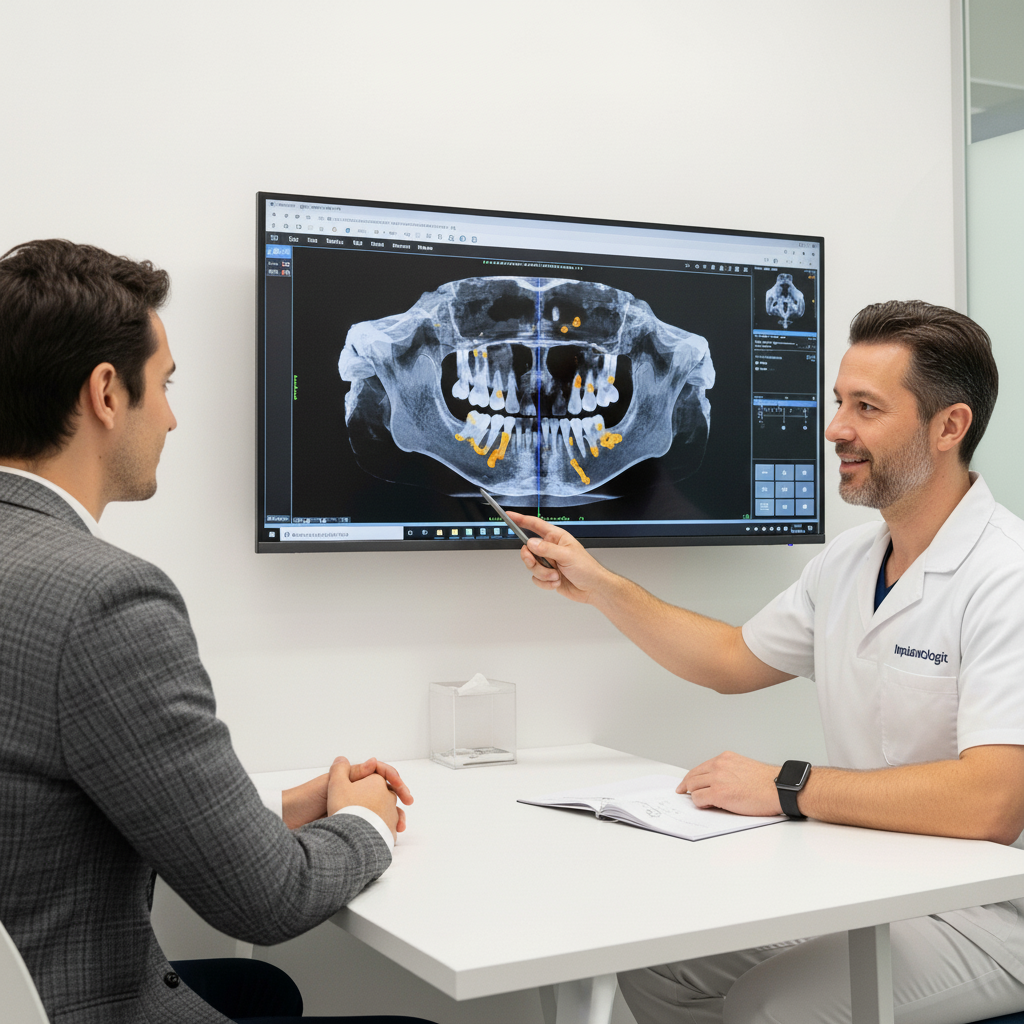
The long-term success of dental implants is heavily dependent on diligent aftercare and maintenance. Implants are not susceptible to decay like natural teeth, but they are vulnerable to peri-implant diseases, which are similar to gum disease. Maintaining excellent oral hygiene is non-negotiable. This includes brushing twice daily, flossing, or using interdental brushes or a water flosser to clean around the implant abutment and crown. Regular dental check-ups and professional cleanings are also essential. During these visits, the dentist can monitor the health of the implant, the surrounding bone, and the gum tissues to catch any potential issues early. With proper care, a dental implant can last a lifetime, making it a worthwhile investment in your oral health and overall quality of life.