Dental Implants in Wellington Explained
When it comes to restoring missing teeth, dental implants represent one of the most significant advancements in modern dentistry. For residents of Wellington and surrounding areas, understanding the benefits, procedure, and considerations for dental implants is crucial for making an informed decision about oral health. This comprehensive guide will delve into what dental implants are, why they are a superior solution for tooth loss, the step-by-step process, and what you can expect when choosing this transformative treatment in Wellington.
Dental Implants in Wellington Explained
Understanding Dental Implants: A Permanent Solution
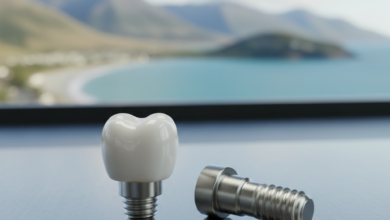
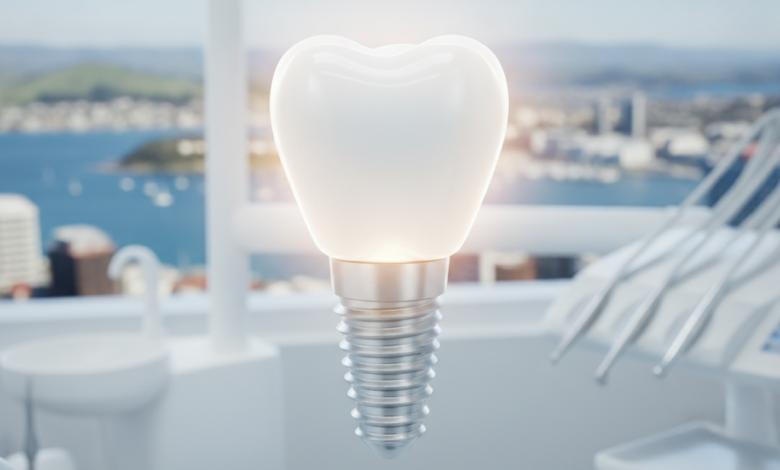
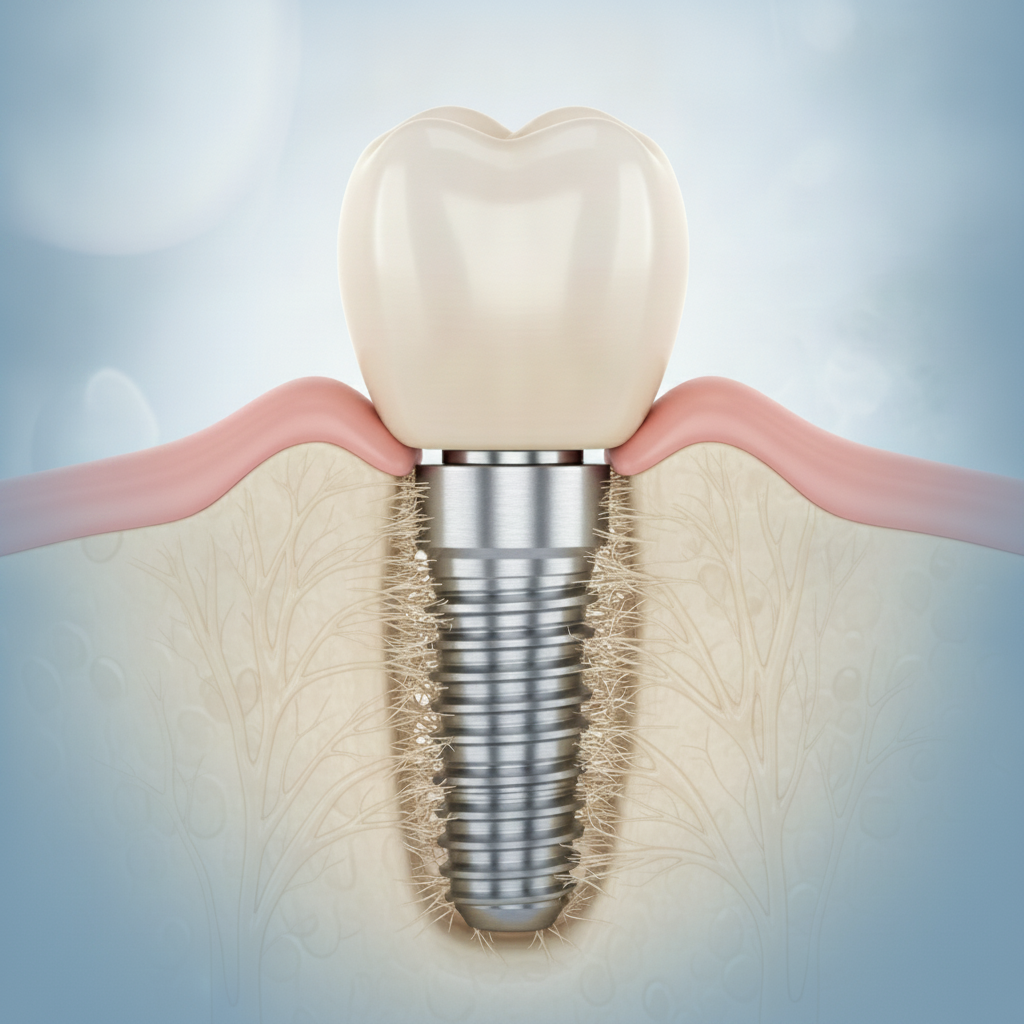
Dental implants are sophisticated medical devices designed to replace missing tooth roots. They consist of a small, biocompatible post, typically made of titanium, that is surgically placed into the jawbone beneath the gum line. This post then fuses with the bone through a process called osseointegration, creating a stable and durable foundation for an artificial tooth (crown), bridge, or even a full set of dentures. Unlike traditional bridges or dentures, implants are designed to be a permanent fixture, mimicking the strength and function of natural teeth.
The primary goal of a dental implant is to restore both the aesthetics and functionality of your smile. Beyond the visible tooth, the implant itself plays a critical role in preserving jawbone health. When a tooth is lost, the underlying bone can begin to resorb or deteriorate due to lack of stimulation. Dental implants provide this necessary stimulation, helping to maintain bone density and prevent further facial collapse, which can often occur with long-term tooth loss. This makes them not just a cosmetic solution, but a vital component of long-term oral and overall health.
Why Choose Dental Implants in Wellington?
Choosing to undergo a dental implant procedure in Wellington offers several advantages. The region boasts highly skilled dental professionals who are often trained in the latest implant technologies and techniques. Access to advanced diagnostic tools, such as 3D imaging and Cone Beam CT scans, ensures precise planning and placement of implants. Moreover, local clinics prioritize patient comfort and safety, adhering to stringent New Zealand healthcare standards. Patients in Wellington benefit from personalized care, convenient follow-up appointments, and the ability to build a long-term relationship with their dental team. The peace of mind that comes from receiving care from trusted local experts, in a familiar environment, is invaluable for what can be a significant dental journey.
The Dental Implant Procedure: A Detailed Overview
The journey to a new smile with dental implants involves several stages, meticulously planned and executed by a qualified dental professional. While the exact timeline can vary depending on individual patient needs and the complexity of the case, the core steps remain consistent.
Initial Consultation and Assessment
The process begins with a thorough consultation. Your dentist will conduct a comprehensive oral examination, take X-rays, and possibly 3D scans to assess your jawbone density, overall oral health, and the precise location for implant placement. This stage is crucial for determining if you are a suitable candidate for implants and for developing a personalized treatment plan. Factors such as medical history, existing health conditions, and lifestyle habits (e.g., smoking) will also be reviewed. This is where any necessary pre-treatments, such as bone grafting or sinus lifts, would be identified and discussed if there isn’t sufficient bone structure to support the implant.
Implant Placement Surgery
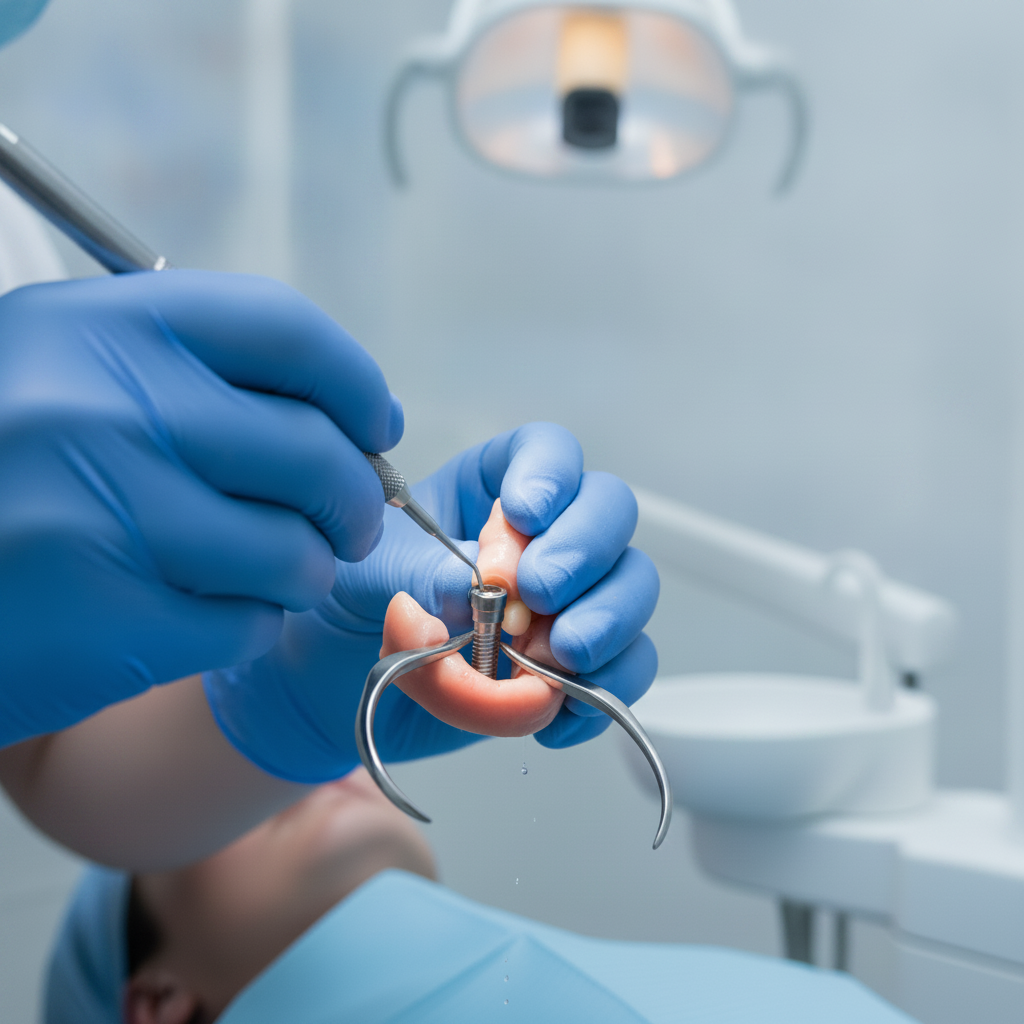
Once the treatment plan is finalized, the surgical placement of the titanium implant post occurs. This is typically an outpatient procedure performed under local anaesthesia, though sedation options are often available for patient comfort. A small incision is made in the gum tissue to expose the jawbone, and a precise hole is drilled where the implant post will be inserted. The implant is then securely screwed into place. After placement, the gum tissue is sutured closed, covering the implant. This initiates the crucial healing phase.
Osseointegration: The Healing Period
This is the most critical phase, where the titanium implant post gradually fuses with the surrounding jawbone. This biological process, known as osseointegration, can take anywhere from 3 to 6 months. During this time, the implant becomes a strong, stable anchor, much like a natural tooth root. A temporary crown or denture might be placed to maintain aesthetics and function during this period, ensuring you can continue with daily activities without significant disruption. Regular check-ups will monitor the healing progress.
Abutment Placement
Once osseointegration is complete, a second minor surgical procedure may be required to attach an abutment to the implant. An abutment is a small connector post that protrudes through the gum line and will eventually support the new artificial tooth. In some cases, the abutment can be placed at the same time as the implant, but often it’s added after the primary healing period. The gum tissue is allowed to heal around the abutment for a couple of weeks.
Crown, Bridge, or Denture Attachment
Finally, impressions of your mouth are taken to create a custom-made crown, bridge, or denture that will fit perfectly onto the abutment. The artificial tooth or teeth are meticulously crafted to match the colour, shape, and size of your existing natural teeth, ensuring a seamless and aesthetic result. Once fabricated, the restoration is securely attached to the abutment, completing the dental implant process. The result is a fully functional and natural-looking tooth replacement.
Benefits of Choosing Dental Implants
The advantages of dental implants extend far beyond simply filling a gap in your smile. They offer a comprehensive solution for tooth loss, impacting oral health, general well-being, and quality of life.
- Enhanced Aesthetics: Dental implants look, feel, and function like natural teeth. Since they fuse with your jawbone, they become permanent, offering a more natural appearance than removable dentures or bridges.
- Improved Speech: With missing teeth or ill-fitting dentures, speech can become slurred or muffled. Implants allow you to speak clearly and confidently without the worry of teeth slipping.
- Increased Comfort: As they become a part of you, implants eliminate the discomfort of removable dentures. There are no adhesives needed, no slipping, and no irritation of gum tissue.
- Easier Eating: Implants function like your natural teeth, allowing you to eat your favourite foods with confidence and without pain. Biting and chewing efficiency are significantly restored, leading to better digestion and overall nutrition.
- Durability and Longevity: With proper care, dental implants can last a lifetime, making them a long-term, cost-effective solution compared to other tooth replacement options that may need frequent repair or replacement.
- Improved Oral Health: Unlike traditional bridges, implants do not require reducing adjacent teeth for support, preserving more of your natural tooth structure. They also allow easier access between teeth for cleaning, improving overall oral hygiene.
- Prevention of Bone Loss: Implants stimulate the jawbone, preventing the bone loss that typically occurs when teeth are missing. This helps preserve facial structure and prevents a sunken appearance often associated with long-term tooth loss.
- Convenience: Implants eliminate the embarrassing inconvenience of removing dentures, as well as the need for messy adhesives to keep them in place.
Are You a Candidate for Dental Implants?
While dental implants are highly successful, they are not suitable for everyone. The ideal candidate typically has good general and oral health, sufficient jawbone to support the implant, and healthy gum tissue free of periodontal disease. Certain medical conditions, such as uncontrolled diabetes or heart disease, and habits like heavy smoking, can affect the success rate of implants. During your initial consultation in Wellington, your dental professional will thoroughly evaluate your health and bone structure to determine if implants are the right choice for you. If bone density is an issue, advanced procedures like bone grafting or sinus lifts can often create the necessary foundation for successful implant placement.
Recovery and Aftercare for Dental Implants
Following the implant placement surgery, it’s normal to experience some discomfort, swelling, and minor bruising. Pain medication, cold compresses, and a soft diet are usually recommended during the initial recovery period. Most patients can return to their normal routines within a day or two. The most important aspect of aftercare is maintaining excellent oral hygiene. Regular brushing, flossing, and professional dental check-ups are essential to ensure the longevity of your implants and prevent complications such as peri-implantitis (inflammation around the implant). Just like natural teeth, implants require consistent care to remain healthy and functional for decades.
Cost of Dental Implants in Wellington
The cost of dental implants in Wellington can vary significantly based on several factors, including the number of implants required, the type of restoration (single crown, bridge, or full arch), any necessary preparatory procedures (like bone grafting), and the specific clinic’s fees. While the initial investment might seem higher than other tooth replacement options, it’s important to consider the long-term benefits and durability of implants. Many clinics offer financing options or payment plans to help make the treatment more accessible. It’s always advisable to discuss a detailed cost breakdown with your dentist during the consultation phase to understand all associated expenses.
Choosing the Right Dental Clinic in Wellington
Selecting a qualified and experienced dental team is paramount for a successful dental implant journey. When evaluating clinics in Wellington, consider the following:
- Experience and Expertise: Look for dentists with extensive experience in implant dentistry, preferably with advanced training and certifications.
- Technology: Clinics utilizing modern technology such as 3D imaging, digital impression scanning, and guided surgery techniques often provide more precise and predictable results.
- Patient Reviews and Testimonials: Reviews can offer insights into other patients’ experiences with the clinic and its staff.
- Comprehensive Care: A clinic that offers a full range of services, from initial assessment to implant placement and restorative work, can streamline your treatment process.
- Communication: Ensure the dental team communicates clearly, answers all your questions, and makes you feel comfortable and informed throughout the process.
Dental implants offer a life-changing solution for individuals experiencing tooth loss, providing a durable, aesthetically pleasing, and highly functional replacement that can last a lifetime. With the expertise available in Wellington, you can embark on this journey with confidence, knowing you are investing in your long-term oral health and overall quality of life. Consulting with a local dental professional is the first step towards understanding if dental implants are the right solution to restore your smile and confidence. For further scientific understanding of dental implants, you can learn more on Wikipedia.