Why Implants Are Not Covered Fully

Why Implants Are Not Covered Fully is a question many individuals face when considering this advanced dental solution. While dental implants are widely recognized as the gold standard for replacing missing teeth, offering unparalleled stability, aesthetics, and long-term oral health benefits, navigating the financial aspects and understanding insurance coverage can be a complex endeavor. Unlike many basic dental procedures, a significant portion of the cost for dental implants often falls to the patient, leading to confusion and frustration for those seeking this transformative treatment. This article aims to demystify the reasons behind limited insurance coverage for dental implants and explore strategies for making this vital investment in oral health more accessible.
Understanding Dental Implants: A Foundation for Discussion
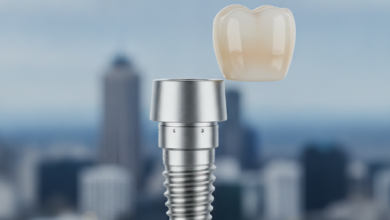
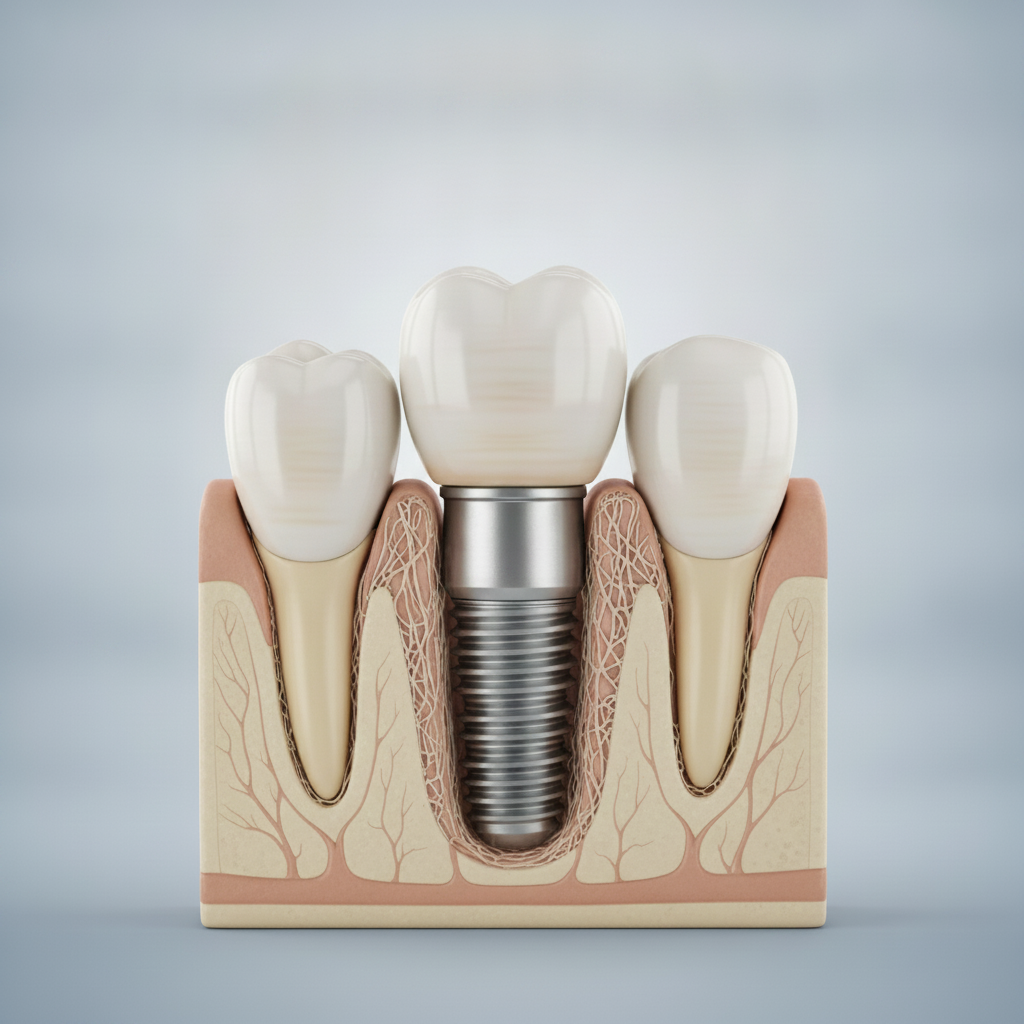
Dental implants are sophisticated devices designed to replace the root of a missing tooth. Typically made of biocompatible materials like titanium or zirconia, these small, screw-shaped posts are surgically placed into the jawbone. Over several months, the implant fuses with the bone in a process called osseointegration, creating a strong, stable foundation for a prosthetic tooth (crown), bridge, or even full-arch dentures. The benefits of dental implants extend beyond mere aesthetics; they help preserve jawbone integrity, prevent adjacent teeth from shifting, restore chewing function, and can last for decades with proper care. This comprehensive solution involves multiple stages, from initial consultation and diagnostic imaging to surgery, healing, and final restoration, all contributing to the overall cost and complexity of coverage.
The Root of the Issue: Implants Are Not Covered Fully by Most Insurance Plans
The primary reasons why dental implants often receive limited or no full coverage stem from a combination of historical insurance practices, classification of procedures, and the inherent cost structure of the treatment itself. Insurance companies categorize procedures based on perceived necessity, complexity, and whether they fall under “basic,” “major,” or “cosmetic” services.
- Medical vs. Cosmetic Classification: One of the most significant hurdles is how dental implants are classified. While dentists and patients recognize their crucial role in restoring oral health and function, many insurance providers historically viewed them as elective or cosmetic procedures, especially when compared to more traditional tooth replacement options like bridges or dentures. Even when medically necessary due to severe tooth loss impacting speech or nutrition, the “cosmetic” label can persist, leading to reduced coverage.
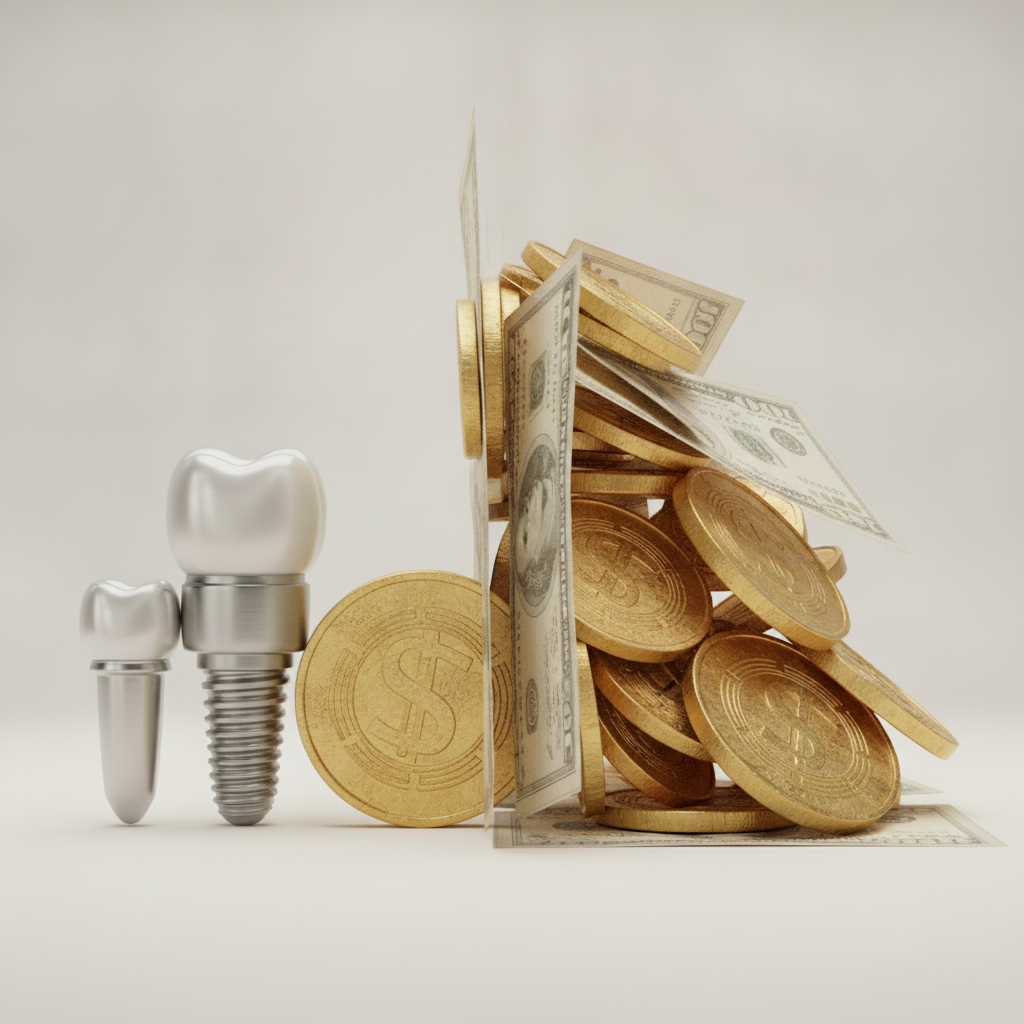
- High Costs of the Procedure: Dental implant treatment is a multi-stage process involving surgical expertise, advanced materials, and often additional procedures like bone grafting or sinus lifts. These elements contribute to a higher overall cost compared to a simple filling or extraction. Insurance plans typically have annual maximums that can quickly be exceeded by the cost of even a single implant, let alone multiple implants or a full mouth restoration.
- Insurance Policy Limitations and Exclusions: Many standard dental insurance policies were designed decades ago, before dental implants became a mainstream, widely adopted treatment. As a result, older plans often explicitly exclude implants or offer only minimal benefits. Newer plans may offer some coverage, but it’s usually partial, classifying implants under “major restorative” services with a lower reimbursement percentage (e.g., 50%) after a deductible is met. There are also often waiting periods before major procedures can be covered.
- “Least Expensive Alternative Treatment” Clause: Many insurance companies operate under a “least expensive alternative treatment” (LEAT) clause. This means they will only pay for the cheapest available treatment that addresses the problem, even if it’s not the most durable, functional, or beneficial long-term option. For example, if a removable partial denture or a fixed bridge is a technically feasible, cheaper alternative to an implant, the insurance might only cover the cost equivalent to that alternative, leaving the patient to pay the substantial difference for the implant.
- Pre-existing Conditions and Waiting Periods: Like medical insurance, dental insurance often has clauses regarding pre-existing conditions. If a tooth was missing before the policy effective date, the implant to replace it might not be covered. Additionally, major procedures typically have waiting periods (e.g., 6-12 months) before benefits become active, preventing immediate claims after purchasing a plan.
Navigating Insurance: What Your Policy Might Cover and How to Maximize Benefits
Understanding the nuances of your specific dental insurance policy is crucial. Patients should always review their policy documents or contact their provider directly to inquire about implant coverage. When researching how much does insurance pay for dental work, specifically for implants, it’s important to ask targeted questions:
- Does the policy cover dental implants at all?
- Is there a waiting period for major restorative procedures?
- What percentage of the cost is covered (e.g., 50%, 80%)?
- Is there an annual maximum benefit, and how much has been used?
- Are supplementary procedures like bone grafting or extractions covered separately?
- What is the deductible for major services?
- Is there a “least expensive alternative treatment” clause?
Even if full coverage is elusive, various components of the implant process might be covered. For instance, diagnostic X-rays, tooth extractions preceding implant placement, and even the crown that goes on top of the implant might fall under different categories with varying levels of coverage. Savvy patients can work with their dental clinic to submit claims strategically, sometimes splitting the treatment into separate phases to maximize annual benefits over two calendar years.
Consider the table below for a general overview of how different components of dental implant treatment are typically handled by insurance:
| Treatment Component | Typical Insurance Stance | Patient Out-of-Pocket (Estimate) |
|---|---|---|
| Initial Consultation & X-rays | Often partially covered (diagnostic) | Low to moderate |
| Tooth Extraction (if needed) | Often partially covered (basic restorative) | Moderate |
| Bone Grafting / Sinus Lift | Highly variable; often considered major, sometimes not covered or limited | High |
| Implant Placement Surgery | Highly variable; often classified as major, sometimes explicitly excluded | Very High |
| Abutment & Crown Placement | Variable; often considered major, sometimes only covers a bridge equivalent | Very High |
| Follow-up Appointments | Often partially covered | Low |
Alternative Financing and Cost Reduction Strategies
- Payment Plans and Financing: Many dental clinics offer in-house payment plans or partner with third-party medical financing companies. These options allow patients to spread the cost of treatment over several months or years, often with low or no interest, making the procedure more manageable.
- Dental Tourism: For significant savings, many individuals consider dental tourism. Countries like Turkey have become popular destinations for high-quality, affordable dental care, including advanced procedures like implants. The cost savings can be substantial, even when factoring in travel and accommodation.
- Health Savings Accounts (HSAs) and Flexible Spending Accounts (FSAs): These tax-advantaged accounts allow individuals to save and pay for qualified medical and dental expenses with pre-tax dollars. They can be an excellent way to cover the out-of-pocket costs of dental implants.
- Discount Dental Plans: These are not insurance but membership programs where you pay an annual fee for discounted rates on various dental procedures from participating dentists. While they don’t cover costs, they can significantly reduce the overall expense.
- Negotiate with Your Dentist: Some clinics may offer discounts for upfront payment or for patients without insurance. It never hurts to discuss financial options and potential fee adjustments with your dental provider.
While the initial outlay for dental implants can be substantial, their long-term value often far outweighs the upfront costs. Implants prevent bone loss, maintain the alignment of remaining teeth, restore full chewing ability, and offer a natural look and feel that can significantly improve quality of life. Unlike bridges, implants don’t require altering adjacent healthy teeth, and unlike dentures, they offer unparalleled stability and comfort, eliminating the need for adhesives and concerns about slippage. Scientific evidence consistently supports the high success rates and longevity of dental implants, making them a wise long-term investment in oral health. More information on the scientific aspects of dental implants can be found on authoritative sources such as Wikipedia.
Making an Informed Decision
The journey to receiving dental implants should begin with a thorough consultation with a qualified implant dentist. They can assess your oral health, discuss treatment options, provide a detailed cost estimate, and help you understand your insurance benefits. Don’t be afraid to ask about financing options or whether the clinic has experience with dental tourism patients. For further insights into dental care costs, you may find valuable information on why dental insurance coverage varies significantly.
Understanding why implants are not covered fully by most insurance plans is the first step toward finding a solution. By being proactive, researching your options, and working closely with your dental provider, you can navigate the financial aspects and achieve the lasting oral health and confidence that dental implants provide.”