Hidden Costs of Dental Care NZ

Hidden Costs of Dental Care NZ are a significant concern for many individuals seeking dental treatment in New Zealand. While the initial quoted price for a procedure might seem straightforward, a closer look often reveals a mosaic of additional expenses that can accumulate, transforming an anticipated cost into a far greater financial burden. Understanding these often-overlooked expenditures is crucial for effective financial planning and ensuring comprehensive oral health management without unexpected surprises. This exploration delves deep into the various indirect and sometimes opaque costs associated with dental care across New Zealand, from routine check-ups to complex restorative procedures.

Dental care in New Zealand operates predominantly on a private model for adults, meaning individuals are largely responsible for the full cost of their treatments. While some emergency services and specific treatments for children and adolescents are publicly funded, the vast majority of adult dental needs fall outside this scope. This financial structure inherently places a substantial onus on the individual, making the identification of all potential costs, both direct and indirect, incredibly important. Without a thorough understanding, patients can find themselves facing unforeseen outlays that impact their budget and potentially lead to compromises in their treatment decisions.
Unveiling the Hidden Costs of Dental Care NZ
The true financial outlay for dental care extends far beyond the dentist’s bill. A myriad of factors contribute to the overall expenditure, many of which are not itemised on a standard treatment plan. Recognising these elements is the first step towards better financial preparedness.
Indirect and Opportunity Costs
One of the most frequently ignored categories of hidden costs stems from the time and resources expended simply to *access* dental care. This includes:
- Time Off Work: Appointments, especially for longer procedures or multiple visits, often necessitate taking time off work. For those paid hourly or who lose productivity, this represents a direct financial loss. Recovery time post-procedure can also add to this.
- Travel Expenses: Fuel, public transport fares, and wear and tear on vehicles for multiple trips to the clinic can add up, particularly for those in rural areas or needing specialist care in larger centres.
- Parking Fees: Many dental clinics are located in urban areas where parking can be expensive or limited, often requiring payment for the duration of the appointment.
- Childcare Costs: Parents attending appointments may need to arrange and pay for childcare, adding another layer of expense.
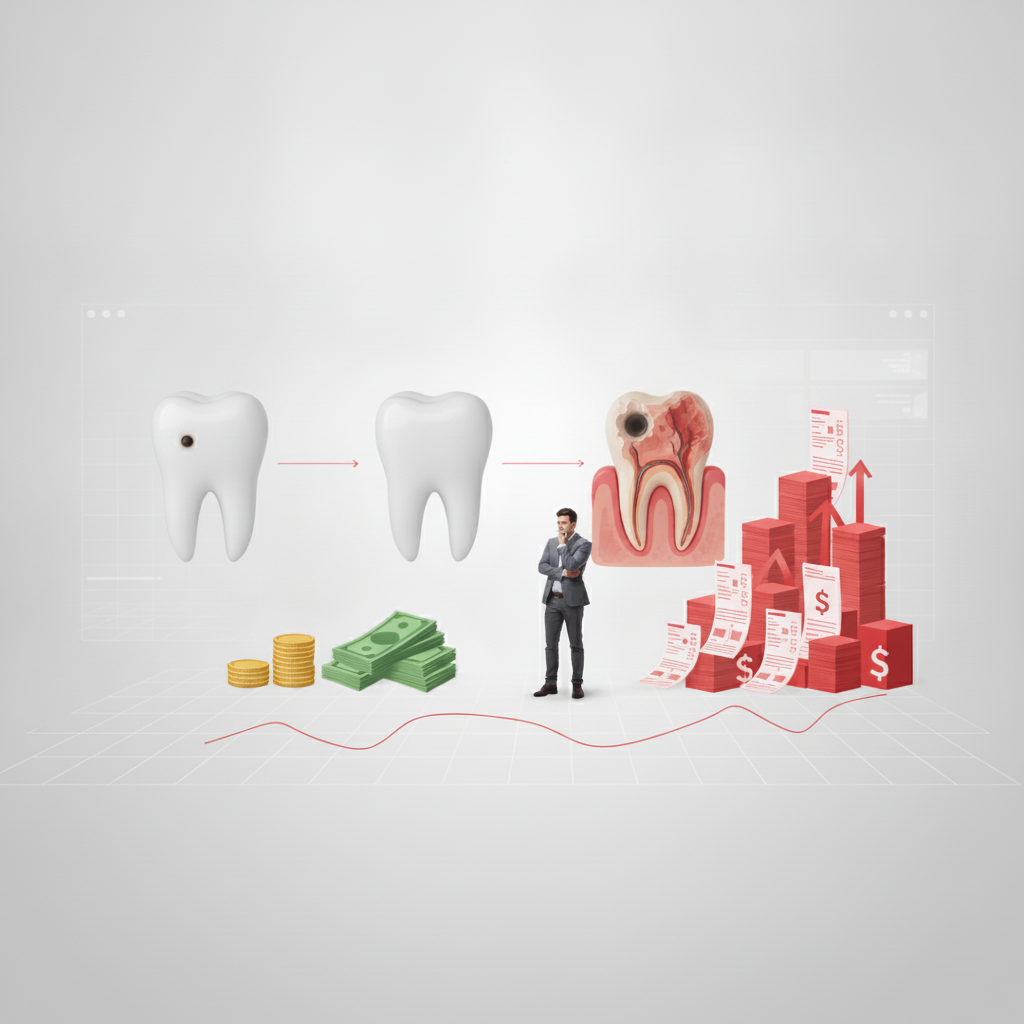
- Opportunity Cost of Delayed Treatment: Perhaps the most significant hidden cost is the financial penalty for delaying necessary treatment. A small cavity, if left untreated, can escalate into a root canal or extraction, which are far more expensive procedures. Similarly, neglecting gum disease can lead to tooth loss and the need for costly restorative solutions like dental implants. The initial “saving” by postponing care often results in a much larger bill down the line.
Diagnostic and Preparatory Fees
Before any treatment begins, dentists need to accurately diagnose the issue. While some diagnostic steps might be included in an initial consultation fee, many are not:
- X-rays: Different types of X-rays (bitewing, periapical, panoramic) are often charged separately. While essential for seeing below the surface, these add to the overall cost.
- CT Scans: For complex procedures like dental implants or wisdom tooth extractions, 3D CT scans are invaluable but come with a significant additional fee.
- Study Models/Impressions: For crowns, bridges, or orthodontic treatments, impressions of your teeth are often taken, which may incur a separate charge.
- Consultation with Specialists: If your general dentist refers you to an endodontist, periodontist, or oral surgeon, their initial consultations and diagnostic tests will be separate expenses.
Anaesthesia and Sedation
While local anaesthesia for routine fillings is typically included, options for pain and anxiety management can add substantial costs:
- Nitrous Oxide (Laughing Gas): Often offered for mild anxiety, this is almost always an additional charge per session.
- Oral Sedation: Prescribed pills taken before the appointment to induce relaxation carry a fee for the medication and supervision.
- Intravenous (IV) Sedation: Administered by a qualified professional (often an anaesthetist) for moderate to severe anxiety or lengthy procedures, this is a significant additional cost.
- General Anaesthesia: For extensive oral surgery, particularly in hospital settings, general anaesthesia is very expensive, encompassing anaesthetist fees, theatre costs, and recovery room charges.
Material and Technology Choices
The choice of materials and the technology used in treatment can drastically alter the final price:
- Filling Materials: Amalgam (silver) fillings are generally cheaper than composite (tooth-coloured) resin fillings, but composite is often preferred for aesthetics and bonding properties.
- Crown Materials: Options like porcelain-fused-to-metal (PFM), full porcelain, zirconia, or gold vary widely in cost. Zirconia and full porcelain often come at a premium due to their aesthetics and durability.
- Implant Brands and Quality: Dental implants vary in brand, material, and manufacturing quality, impacting their cost significantly. Higher-quality, research-backed implant systems tend to be more expensive but offer better long-term predictability.
- Laser Dentistry: While offering benefits like reduced pain and faster healing, laser-assisted procedures may carry higher fees than traditional methods.
Post-Treatment Care and Potential Complications
The expense doesn’t necessarily end when you leave the chair after the main procedure:
- Medications: Prescriptions for pain relief, antibiotics, or anti-inflammatories post-procedure are separate costs.
- Follow-up Appointments: While sometimes included, post-operative checks may incur additional consultation fees.
- Special Oral Hygiene Products: After gum surgery, orthodontics, or complex restorations, special toothbrushes, rinses, or interdental cleaners might be recommended, adding to your regular hygiene budget.
- Night Guards/Splints: If a procedure exacerbates or reveals bruxism (teeth grinding), a custom-made night guard will be an additional, often substantial, expense to protect your new restorations.
- Unexpected Complications: Despite the best care, complications can arise (e.g., infection, implant failure, fracture). Treating these issues will incur further costs not covered by the initial treatment plan.
Understanding New Zealand’s Dental System and Coverage
Navigating the New Zealand dental landscape requires an understanding of its unique funding mechanisms. As mentioned, for adults, public dental care is largely limited to emergency situations (e.g., severe pain, trauma) and often has strict eligibility criteria and long waiting lists. This means most adults rely on private dental practices, where costs are fully borne by the patient.
Private vs. Public Dental Care in NZ
The distinction between public and private care significantly influences the “hidden” costs. In the public system, while direct costs are minimal or non-existent, the hidden costs include extensive waiting times, limited treatment options, and the potential for a condition to worsen while awaiting care, leading to more complex and eventually more expensive (if transitioning to private) treatment. In the private system, the hidden costs are as detailed above, added to the already higher upfront fees. For a deeper dive into this, consider reading about public vs private dental care in NZ.
The Role of Dental Insurance
Dental insurance in New Zealand is not as common or comprehensive as in some other countries. Policies often have annual limits, waiting periods, co-payments, and exclusions for major procedures. This means that even with insurance, patients can still face significant out-of-pocket expenses, making some of the “hidden costs” still very much applicable to their budget. Many patients assume insurance will cover everything, only to find themselves responsible for a substantial portion of the bill, especially for restorative or cosmetic work.
Strategies to Mitigate Unexpected Dental Expenses
While some hidden costs are unavoidable, proactive measures can significantly reduce financial surprises and ensure better value for money.
Prioritise Preventative Care
The most effective way to avoid hidden costs is to prevent serious dental problems from developing. Regular check-ups and professional cleanings (typically every 6-12 months) are foundational. These appointments allow dentists to identify and address minor issues before they escalate into major, expensive problems. Good at-home oral hygiene (brushing twice daily, flossing, using mouthwash) also plays a critical role in prevention.
Request Detailed Treatment Plans
Before agreeing to any significant dental work, always ask for a comprehensive, itemised treatment plan. This plan should clearly outline:
- The exact procedure(s) to be performed.
- The cost of each component of the treatment.
- Any associated costs (X-rays, anaesthesia, lab fees).
- The estimated number of appointments required.
- Potential alternative treatments and their respective costs.
- Information on payment plans or financing options.
Do not hesitate to ask questions to clarify anything you don’t understand. Understanding the full scope upfront is critical.
Explore Payment Plans and Financing
Many dental clinics offer payment plans or work with third-party financing companies to help patients manage larger treatment costs. These options allow you to spread the cost over several months or years, making extensive treatment more accessible. While not reducing the overall cost, they can alleviate the immediate financial burden.
Compare Clinics and Get Multiple Quotes
Dental fees can vary between clinics due to location, overheads, dentist experience, and technology used. For significant procedures, obtaining quotes from two or three different reputable dentists can help you compare costs and understand value. However, ensure you are comparing like-for-like treatment plans and considering the dentist’s experience and reputation, not just the price.
Consider Dental Tourism for Major Treatments
For extensive and expensive dental work, such as multiple dental implants, full mouth restorations, or numerous crowns, many New Zealanders are exploring dental tourism. Countries like Turkey offer high-quality dental care from experienced specialists at a fraction of the cost found in NZ. This includes the procedures themselves, as well as associated costs for diagnostic imaging and sometimes even accommodation and travel packages. While requiring travel, the overall savings can be substantial, making it a viable option for those facing prohibitively high costs at home. For context on global dental care standards, the World Health Organization provides valuable resources on oral health globally at who.int.
Long-Term Investment: The True Value of Dental Health
Ultimately, dental care is an investment in your overall health and quality of life. The “hidden costs” often highlight the importance of viewing oral health not as an occasional expense, but as an ongoing commitment. Neglecting dental issues due to perceived high costs almost invariably leads to more significant problems and higher expenses in the future. Good oral health contributes to general well-being, supports proper nutrition, prevents systemic health issues, and enhances self-confidence.
| Dental Procedure | Potential Direct Costs (Initial Quote) | Common Hidden Costs (NZD) |
|---|---|---|
| Routine Check-up & Clean | $100 – $250 | X-rays ($50-$120), parking ($10-$30), time off work. |
| Single Composite Filling | $180 – $450 | Additional X-rays ($50-$120), local anaesthetic (sometimes separate), replacement due to wear (long term). |
| Tooth Extraction | $200 – $600 (simple) | Surgical extraction fees ($400-$800+), sedation ($150-$500+), post-op medications ($30-$80), replacement options (implant/bridge $3,000-$7,000+). |
| Root Canal Treatment (Molar) | $900 – $1,800 | Additional X-rays/CT scans ($50-$250), build-up/core ($150-$300), crown after root canal ($1,200-$2,500), specialist referral fees. |
| Dental Crown | $1,200 – $2,500 | Diagnostic models ($50-$100), temporary crown ($100-$200), core build-up ($150-$300), material choice premium, potential root canal prior ($900-$1,800). |
| Single Dental Implant | $3,000 – $6,000 (implant & crown) | CT scan ($200-$400), bone grafting ($500-$2,000+), sinus lift ($1,500-$3,000+), temporary crown/denture ($300-$800), healing abutment, sedation. |
| Orthodontic Treatment (Braces/Aligners) | $5,000 – $10,000+ | Initial consultation/records ($150-$300), retainers after treatment ($300-$800+), specialist adjustment fees for complex cases, potential extractions prior ($200-$600 each). |
Being aware of the potential hidden costs associated with dental care in New Zealand empowers patients to make more informed decisions, plan their finances more effectively, and proactively manage their oral health. By understanding the full financial landscape, individuals can seek the necessary treatment without fear of unexpected financial burdens, ensuring a healthier smile for years to come.