Public vs Private Dental Care NZ Explained

Public vs Private Dental Care NZ Explained
Navigating the healthcare system can be complex, and dental care in New Zealand is no exception. Understanding the distinctions between public and private dental services is crucial for New Zealanders seeking treatment, managing costs, and making informed decisions about their oral health. While both systems aim to provide essential care, they operate under different funding models, eligibility criteria, and service offerings, leading to varied patient experiences. This comprehensive guide will illuminate the landscape of dental care in Aotearoa, helping you discern which pathway is best suited for your individual needs.
The Landscape of Dental Care in New Zealand
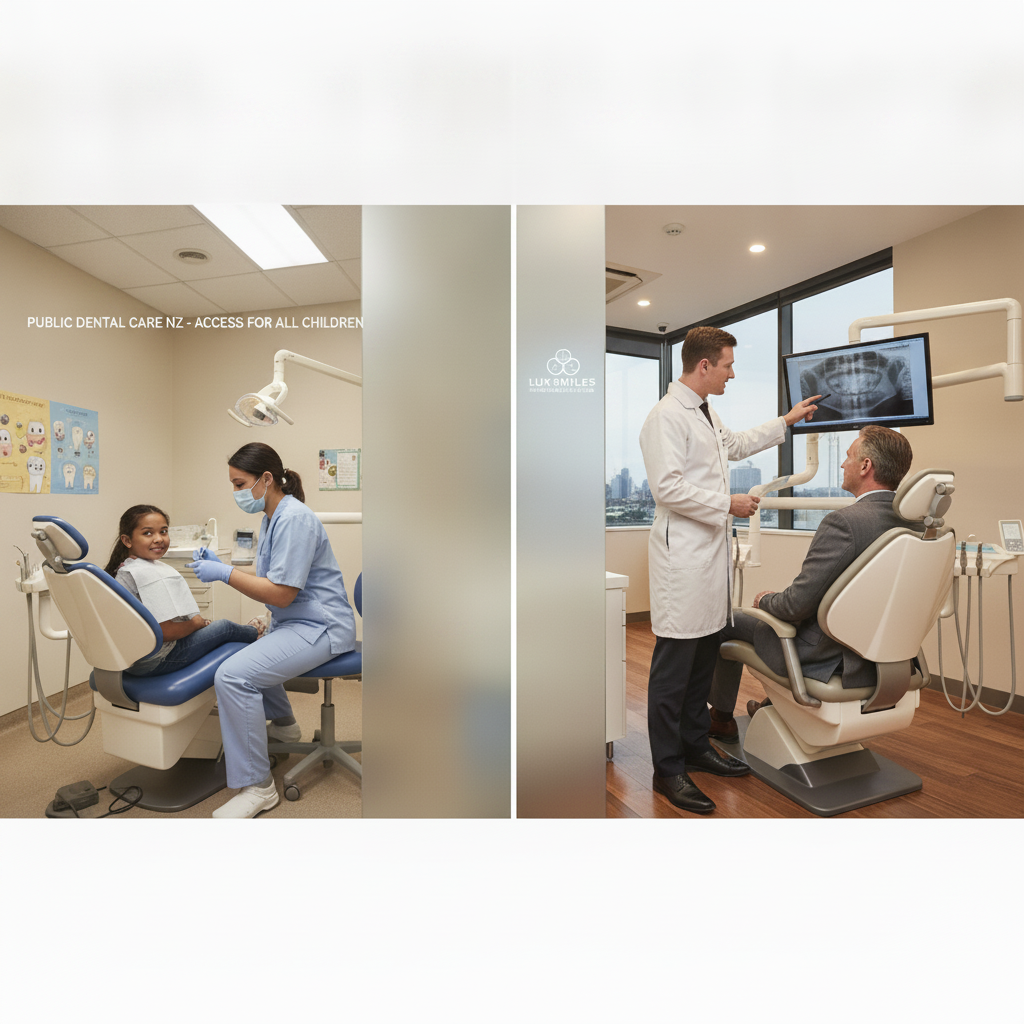
New Zealand’s dental care system is a blend of publicly funded and privately operated services. Unlike general medical care, which is largely subsidised through the public health system, dental care often requires direct patient contributions. This fundamental difference means that most adults in New Zealand will primarily interact with private dental practices for their routine and advanced care. However, specific groups and situations are covered by the public system, ensuring a safety net for those most in need. Understanding this dual structure is the first step toward effective dental planning.
Understanding Public Dental Care in NZ
Public dental care in New Zealand primarily focuses on specific demographics and emergency situations. The system is designed to provide essential services to children, adolescents, and, in some cases, adults with high-needs or specific medical conditions. Funding comes from the government, and services are typically delivered through community dental clinics, school dental services, and hospital dental departments.
Eligibility and Services Covered by Public Dental Care
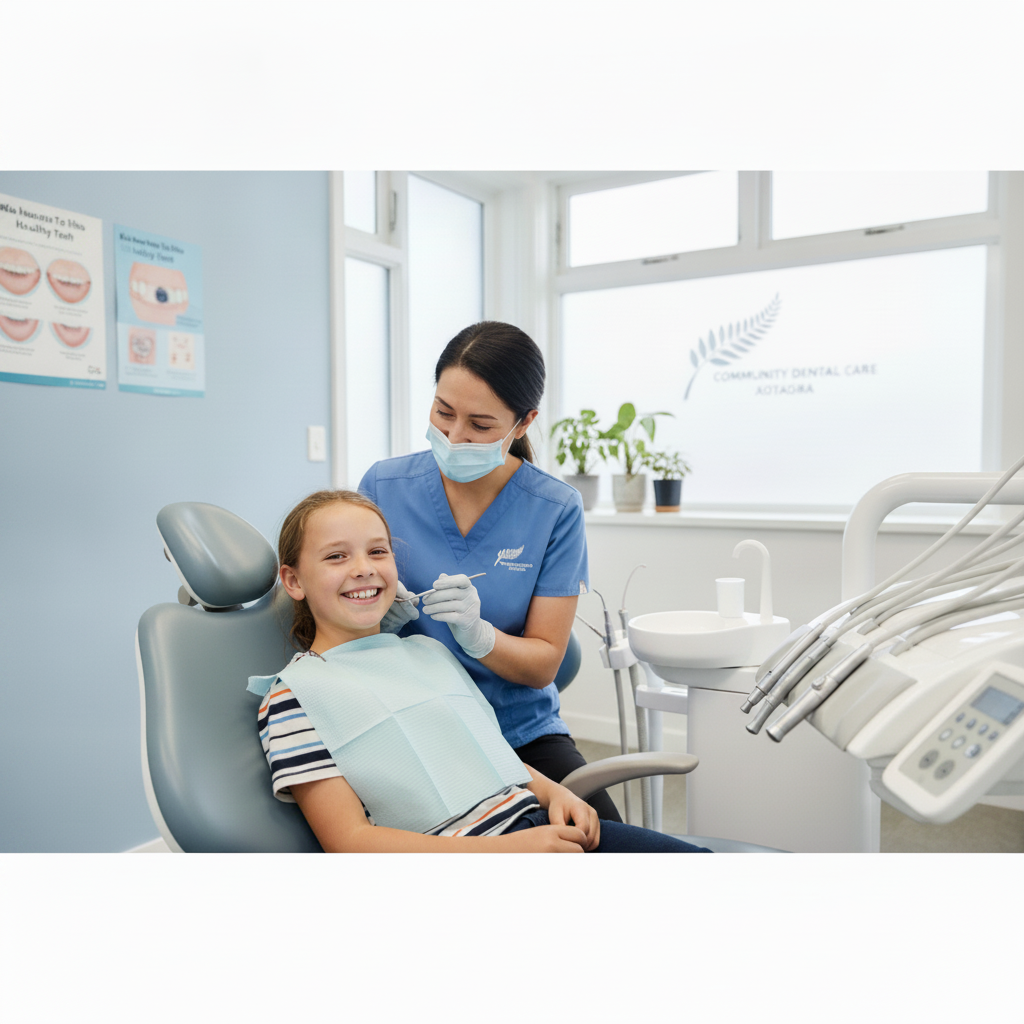
The most significant component of public dental care is the free dental service for children and adolescents up to their 18th birthday. This includes regular check-ups, preventive treatments like fluoride application, fillings, extractions, and some basic orthodontic assessments. These services are delivered by dental therapists and dentists, often within school clinics or dedicated community hubs. For adults, public dental care is far more limited. It typically covers emergency care for acute pain or trauma, often delivered through hospital dental departments, and sometimes for individuals with complex medical conditions that necessitate dental treatment within a hospital setting. Eligibility for these adult services is usually determined on a case-by-case basis and can involve strict criteria. While free dental care in New Zealand exists for specific groups, it is not universal for adults.
Limitations and Wait Times in the Public System
While invaluable for those it serves, the public dental system has inherent limitations. For adults, access is severely restricted, meaning that most routine and elective procedures are not covered. Even for eligible children and adolescents, there can sometimes be wait times for non-urgent treatments, depending on the demand and resources in a particular region. The scope of services is generally basic and preventative, focusing on maintaining oral health rather than extensive restorative or cosmetic procedures. Advanced treatments like dental implants, complex orthodontics, or extensive prosthodontics are almost exclusively found within the private sector, even for children requiring specialist care beyond the standard public offering.
Understanding Private Dental Care in NZ
Private dental care forms the backbone of adult dental treatment in New Zealand. These clinics are independently owned and operated, offering a much broader range of services and greater flexibility to patients. Patients pay directly for services, either out-of-pocket or through private dental insurance, if they have it.
Flexibility, Choice, and Range of Services in Private Clinics
One of the primary advantages of private dental care is the extensive choice it offers. Patients can choose their dentist, clinic, and appointment times, often with greater availability and shorter waiting periods than in the public system. Private clinics typically invest in advanced technology and offer a comprehensive suite of services that extend far beyond the basic provisions of public care. This includes general dentistry (check-ups, cleanings, fillings), cosmetic dentistry (whitening, veneers, bonding), restorative treatments (crowns, bridges, dental implants), orthodontics (braces, Invisalign), endodontics (root canal treatment), and periodontics (gum disease treatment). The focus is often on personalised care, patient comfort, and achieving optimal aesthetic and functional outcomes.
Cost Implications and Payment Options
The main difference for patients in the private system is the cost. Private dental care is not subsidised by the government, meaning patients bear the full financial responsibility. Costs can vary significantly between practices and for different procedures. For example, a routine check-up and clean might cost anywhere from $80 to $200+, while more complex procedures like a dental implant can run into thousands of dollars. Many private clinics offer payment plans or options for financing larger treatments. Dental insurance policies are also available from various providers in New Zealand, which can help offset some of the costs, although coverage levels vary widely.
Public vs Private Dental Care NZ: A Detailed Comparison
The distinction between public and private dental care in New Zealand boils down to access, cost, scope of services, and patient experience. While both play vital roles, they cater to different needs and expectations. The following table summarises the key differences:
| Feature | Public Dental Care NZ | Private Dental Care NZ |
|---|---|---|
| Primary Users | Children & Adolescents (0-17 years), emergency adult care, specific high-needs adults. | General Adult Population, any age seeking broader services. |
| Funding Source | Government funding (taxpayer contributions). | Patient fees, private insurance. |
| Cost to Patient | Generally free for eligible children/adolescents; subsidised/free for qualifying adult emergencies. | Full cost paid by patient; varies by clinic/procedure. |
| Scope of Services | Basic and preventive care (check-ups, fillings, extractions, fluoride) for eligible groups. Emergency adult care. | Comprehensive range: General, Cosmetic, Restorative (implants, crowns), Orthodontics, Specialist services. |
| Accessibility & Wait Times | Restricted eligibility for adults. Potential wait times for non-urgent treatments. | Wider availability, shorter wait times, patient’s choice of dentist/clinic. |
| Technology & Facilities | Standard equipment, functional clinics. | Often features advanced technology, modern facilities, emphasis on comfort. |
| Patient Choice | Limited choice of practitioner or clinic. | High degree of choice regarding practitioner, clinic, and treatment options. |
| Specialist Referrals | Referrals often to hospital dental departments for complex cases (if eligible). | Referrals to private specialists for advanced procedures. |
Accessibility and Geographic Disparities
Accessibility to dental care can also differ significantly between the two systems. Public dental services for children are generally widespread, often integrated into school health programs or community clinics. However, the limited adult public services mean that geographic location can heavily influence access to emergency care for those without private means. In contrast, private clinics are more concentrated in urban and suburban areas, offering greater choice for those living within these regions, but potentially creating gaps in rural communities where private practices may be sparse. This disparity means that for many New Zealanders, particularly adults, private care is the only viable option for comprehensive dental health, regardless of their location.
Making an Informed Decision for Your Oral Health
Choosing between public and private dental care largely depends on your age, eligibility, the urgency of your condition, and your financial situation. For parents, understanding the public services available for their children is paramount, as these provide an excellent foundation for lifelong oral health. For adults, the reality is that private dental care will be the primary avenue for most treatments.
Budgeting and Insurance Considerations
Given the costs associated with private dental care, planning and budgeting are essential. Many New Zealanders explore private dental insurance to help manage expenses, though it’s crucial to understand what these policies cover, as they often have limits and waiting periods. Regular preventative care in a private clinic, while an upfront cost, can often prevent more extensive and expensive issues down the line. Many clinics also offer payment plans to spread the cost of larger treatments.
When to Choose Public vs. Private
You would typically rely on public dental care for:
- Children and adolescents (0-17 years) for routine check-ups, preventive care, and basic treatments.
- Acute dental emergencies (severe pain, trauma, infection) for adults, where hospital dental departments or emergency services may provide immediate relief.
- Adults with very specific, complex medical conditions requiring dental treatment in a hospital setting.
You would typically choose private dental care for:
- Any routine dental care for adults (check-ups, cleanings, fillings).
- Cosmetic treatments (whitening, veneers, bonding).
- Restorative procedures (crowns, bridges, dental implants).
- Orthodontic treatments (braces, Invisalign).
- Specialised treatments (root canals, gum surgery).
- Seeking a specific dentist, shorter wait times, and a broader range of treatment options.
The Evolution of Dental Care in New Zealand
The New Zealand dental landscape is continually evolving, influenced by advancements in dental technology, changing public health policies, and economic factors. Digital dentistry, for example, is becoming increasingly prevalent in private clinics, offering benefits such as more accurate diagnoses, faster treatment planning, and enhanced patient comfort. This technological gap between the public and private sectors is something patients should be aware of, as it can impact the efficiency and scope of treatment received. Furthermore, discussions around expanding public dental care for adults periodically surface, reflecting a societal recognition of oral health’s importance to overall well-being. However, significant changes to adult public dental funding would require substantial governmental investment. The broader context of New Zealand’s healthcare system influences how dental services are structured and accessed across the country.
Ultimately, both public and private dental care systems in New Zealand strive to contribute to the nation’s oral health. While the public system acts as a vital safety net and foundational care provider for the young, the private sector caters to the comprehensive and diverse dental needs of the adult population, offering flexibility, advanced treatments, and personalised experiences. Understanding these differences empowers New Zealanders to navigate their options effectively, ensuring they receive the appropriate care to maintain a healthy smile throughout their lives.”