
How Many Visits Are Needed for Implants NZ?
How Many Visits Are Needed for Implants NZ? Dental implants have revolutionized restorative dentistry, offering a durable and aesthetically pleasing solution for missing teeth. For individuals in New Zealand considering this advanced treatment, a common and critical question is about the time commitment involved, specifically, “How many visits are needed for implants NZ?” Understanding the typical process and the factors that can influence the number of appointments is essential for proper planning and managing expectations. While the exact number can vary based on individual circumstances and the complexity of the case, the journey to a fully restored smile with dental implants generally involves a series of carefully planned stages, each requiring at least one visit to a dental professional.

The Foundational Stages of Dental Implant Treatment
The dental implant process is not a single appointment procedure. It’s a sophisticated treatment plan that unfolds over several months, ensuring optimal integration and long-term success. Here’s a breakdown of the typical stages and the visits they entail:
Initial Consultation and Comprehensive Planning (Visit 1)
The first and perhaps most crucial step is a thorough initial consultation. During this visit, your dental professional will conduct a comprehensive examination of your oral health. This includes assessing the health of your remaining teeth, gums, and importantly, the quality and quantity of your jawbone. Advanced diagnostic tools such as 3D CT scans (cone beam computed tomography) and digital X-rays are typically used to create a detailed map of your oral anatomy. This imaging allows the dentist to precisely determine the optimal placement for the implant, identify any potential complications, and create a personalized treatment plan. A discussion about your medical history, any underlying health conditions, and your aesthetic goals will also take place. During this visit, you’ll receive a clear explanation of the procedure, its benefits, potential risks, and the estimated timeline.
Implant Placement Surgery (Visit 2)
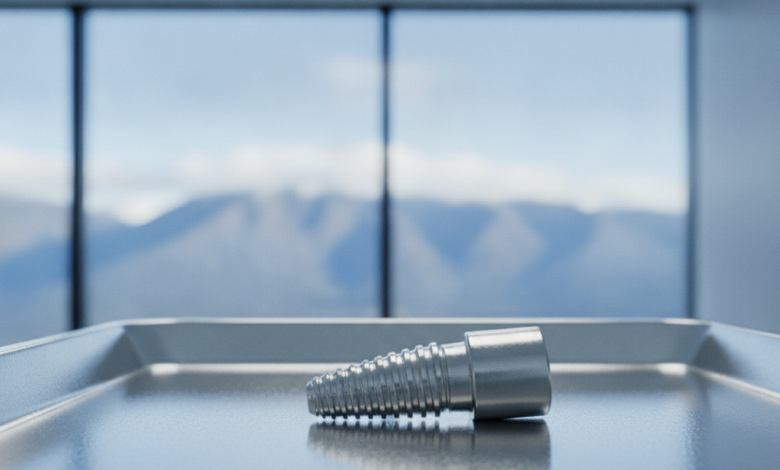
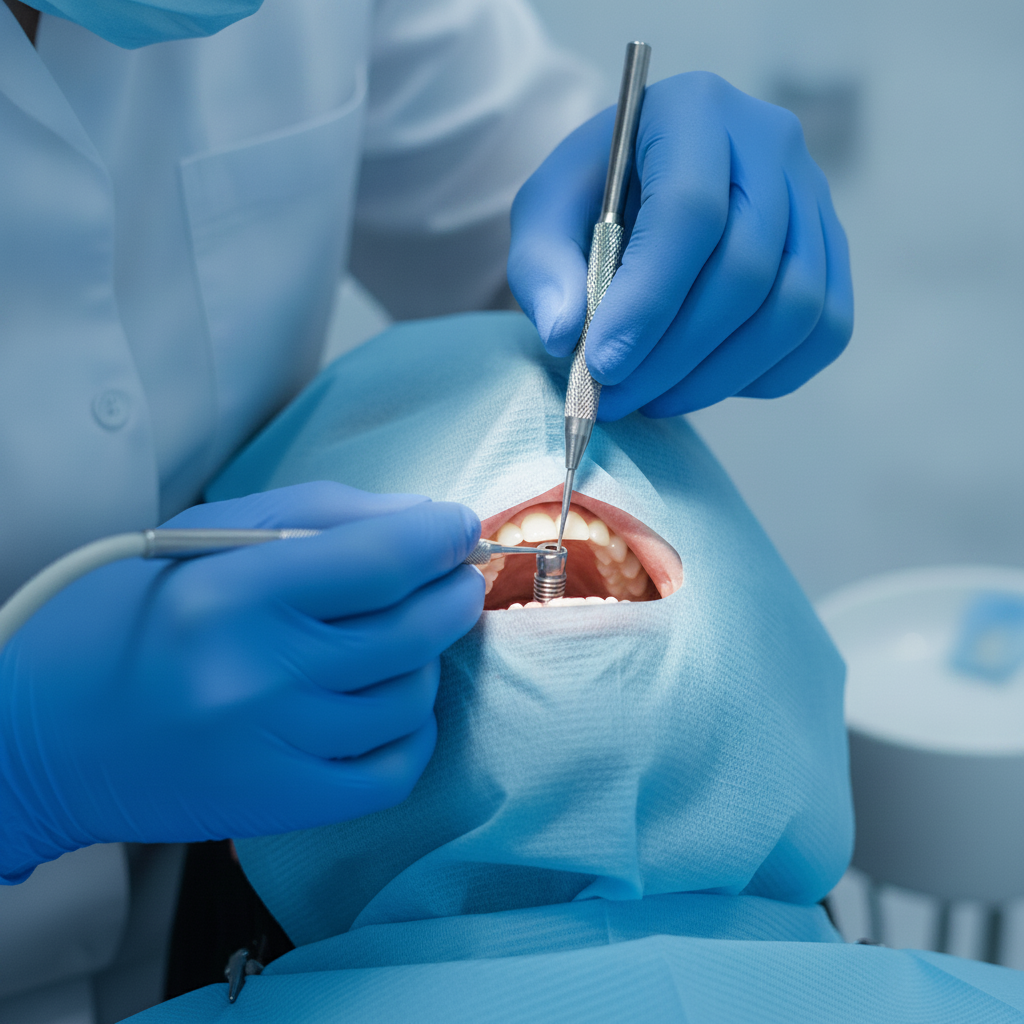
Once the planning is complete, the surgical placement of the dental implant occurs. This procedure is typically performed under local anaesthesia, though sedation options may also be available for patient comfort. The dentist makes a small incision in the gum tissue to expose the jawbone. A precise hole is then drilled into the bone, into which the titanium implant post is carefully inserted. In some cases, a healing cap or cover screw is placed over the implant, and the gum tissue is sutured closed to protect the implant during the healing phase. This allows the implant to fuse with the jawbone without disturbance, a process known as osseointegration. This stage marks the beginning of the most critical healing period.
The Osseointegration Period: Healing and Integration
Following the implant placement, a vital healing period of typically 3 to 6 months begins. During this time, the titanium implant gradually integrates with the surrounding jawbone, forming a strong and stable foundation, much like the root of a natural tooth. This biological process is fundamental to the long-term success of the implant. While this period doesn’t usually require active dental visits, periodic check-ups might be scheduled to monitor the healing progress, especially if there are any concerns or if bone grafting was performed simultaneously. Patience during this phase is paramount.
Abutment Placement (Potentially Visit 3)
After successful osseointegration, the next step is often the placement of the abutment. An abutment is a small connector piece that screws into the dental implant and protrudes through the gum line, serving as the attachment point for the final crown or prosthetic. If a healing cap was used during the initial surgery, a minor surgical procedure is required to expose the implant and attach the abutment. This usually involves a small incision to uncover the implant, followed by the attachment of the abutment. The gum tissue is then allowed to heal around the abutment for a couple of weeks before the final restoration is made. In some cases, particularly with “one-stage” implant procedures, the abutment might be attached immediately during the initial implant surgery, or a temporary crown might be placed directly, reducing the need for a separate abutment placement visit.
Impression Taking and Final Restoration Placement (Visit 4, potentially Split)
Once the gums have healed around the abutment, impressions of your mouth are taken. These impressions are critical for the dental laboratory to custom-fabricate your permanent crown, bridge, or denture. Digital impressions are increasingly common, offering high precision and comfort. This visit might involve checking the fit of a temporary crown or taking digital scans. A subsequent visit will then be scheduled for the final placement of the custom-made prosthetic. The crown is carefully fitted, adjusted for bite and comfort, and then permanently cemented or screwed onto the abutment. This is the moment your new tooth is fully restored, both functionally and aesthetically. For more details on the duration of the overall process, you can refer to resources on how long dental implants take in NZ.
Summary of Typical Visits for a Single Implant
| Stage of Treatment | Typical Number of Visits | Key Activities |
| :———————————– | :———————– | :————————————————————————– |
| **Initial Consultation & Planning** | 1 | Examination, X-rays, 3D CT scan, treatment plan discussion |
| **Implant Placement Surgery** | 1 | Surgical insertion of the implant into the jawbone |
| **Healing Period (Osseointegration)**| 0-1 (Monitoring) | Implant fuses with bone; potential check-up to monitor progress |
| **Abutment Placement** | 0-1 | Uncovering implant and attaching connector post (may be combined with final stage or initial surgery) |
| **Impression & Final Restoration** | 1-2 | Taking impressions, custom crown fabrication, final crown fitting and placement |
| **Follow-up & Maintenance** | As needed | Routine checks to ensure long-term health and stability of the implant |
Factors Influencing the Number of Visits
The number of visits outlined above represents a general guideline. Several factors can either consolidate or extend the treatment timeline and, consequently, the number of required appointments.
* **Bone Grafting Requirements:** If a patient has insufficient jawbone density or volume, a bone grafting procedure may be necessary before implant placement. This adds an additional surgical visit and a significant healing period (several months) before the implant surgery can even begin, thus increasing the total number of visits and the overall treatment duration.
* **Tooth Extractions:** If a damaged tooth needs to be extracted prior to implant placement, this will require an additional visit. Sometimes, an implant can be placed immediately after an extraction (immediate implant placement), potentially combining visits. However, this is not always feasible and depends on the health of the extraction site.
* **Number of Implants:** While the core stages remain similar, placing multiple implants or restoring an entire arch of teeth (e.g., with “All-on-4” or “All-on-6″ techniques) may require longer individual surgical appointments but might not drastically increase the *number* of unique visits beyond the initial stages. However, the complexity of restoration will likely add more steps for impression taking and fitting of larger prosthetics.
* **Type of Prosthetic:** A single crown is straightforward. However, an implant-supported bridge or a full-arch denture involves more intricate design and fitting processes, potentially requiring extra visits for try-ins and adjustments.
* **”Same-Day” or “Immediate Load” Implants:** In select cases, where bone quality is excellent and initial implant stability is high, it might be possible to place a temporary crown or prosthetic immediately after implant surgery. This can significantly reduce the waiting period for a functional tooth but still typically requires follow-up visits for the permanent restoration.
* **Patient Health and Healing:** Individual healing rates, overall health status, and adherence to post-operative instructions can impact the timeline and may necessitate additional check-ups or adjustments.
* **Technology and Clinic Efficiency:** Modern dental clinics utilizing advanced technology like CAD/CAM for on-site crown fabrication can sometimes reduce the waiting time between impression taking and final crown placement, potentially consolidating visits.
* **Sedation Preferences:** If general anaesthesia or deeper forms of sedation are used, pre-operative appointments with an anaesthesiologist might be necessary, adding to the overall visit count.
Navigating the Journey: From Consultation to Maintenance
Understanding the dental implant process as a journey rather than a destination helps patients prepare for the time and commitment involved. Each visit plays a vital role in ensuring the successful integration of the implant and the beautiful, lasting restoration of your smile. The precise number of visits will be tailored to your unique oral health needs and treatment plan developed in consultation with your dental professional. Further scientific context on dental implants and their functionality can be found on authoritative resources such as Wikipedia’s entry on Dental Implants.


One Comment