Zirconium Crowns Cost NZ vs Porcelain
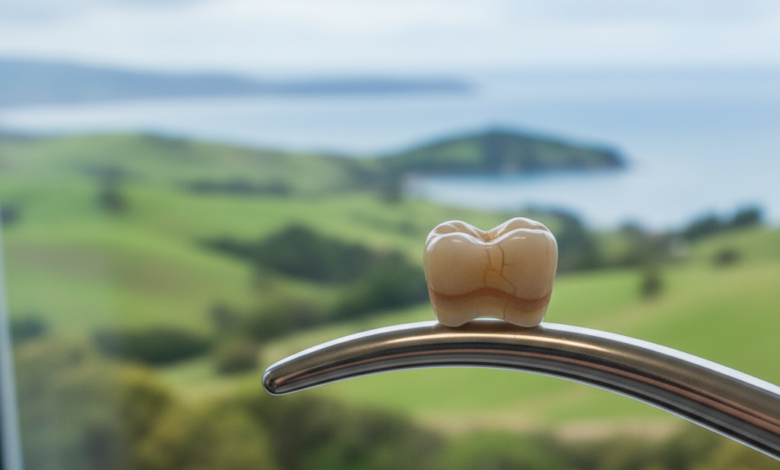
Zirconium Crowns Cost NZ vs Porcelain: Navigating your options for dental restoration involves understanding the material science, aesthetic outcomes, and ultimately, the investment required. For many New Zealand residents seeking durable, aesthetically pleasing, and long-lasting dental solutions, zirconium crowns have emerged as a leading choice. However, the associated costs can vary significantly, prompting many to research thoroughly and consider all available alternatives, including traditional porcelain crowns and even exploring dental treatment abroad. This guide aims to provide a comprehensive breakdown of zirconium crowns, their benefits, the factors influencing their cost in New Zealand, and how they compare to porcelain options.
Understanding Zirconium Crowns: The Modern Choice for Durability and Aesthetics
Zirconium crowns represent a significant advancement in dental technology, offering a robust and highly aesthetic solution for restoring damaged or decayed teeth. Made from zirconium dioxide, a ceramic material known for its exceptional strength and biocompatibility, these crowns are designed to withstand the rigors of daily chewing while blending seamlessly with natural teeth.
What Makes Zirconia Unique?
Zirconium dioxide is a white crystalline oxide of zirconium. In dentistry, it’s often referred to simply as “zirconia.” Its properties make it ideal for dental restorations:
- Exceptional Strength: Zirconia is renowned for its high flexural strength, making it incredibly resistant to fractures and chipping, particularly in the posterior (back) teeth which endure significant biting forces.
- Biocompatibility: It is highly compatible with the human body, meaning it is non-allergic and causes minimal irritation to gum tissues, reducing the risk of complications.
- Aesthetics: Modern zirconia crowns can be crafted to match the exact shade and translucency of surrounding natural teeth, offering a superior aesthetic outcome compared to older metal-ceramic options.
Key Advantages of Zirconium for Dental Restorations
The rising popularity of zirconium crowns is due to several compelling advantages:
- Durability and Longevity: With proper care, zirconium crowns can last for many years, often exceeding a decade, due to their inherent strength. This makes them a cost-effective long-term solution.
- Natural Appearance: Unlike porcelain-fused-to-metal (PFM) crowns which can sometimes show a dark line at the gum line due to the metal substructure, zirconia crowns are entirely metal-free. This allows for excellent light transmission, mimicking natural tooth enamel.
- Minimally Invasive: The strength of zirconia often allows for thinner crown designs, meaning less tooth structure needs to be removed during preparation compared to some other materials.
- Hypoallergenic: For patients with sensitivities or allergies to metals, zirconia offers a safe and reliable alternative.
Zirconium Crowns vs. Porcelain Crowns: A Comprehensive Comparison
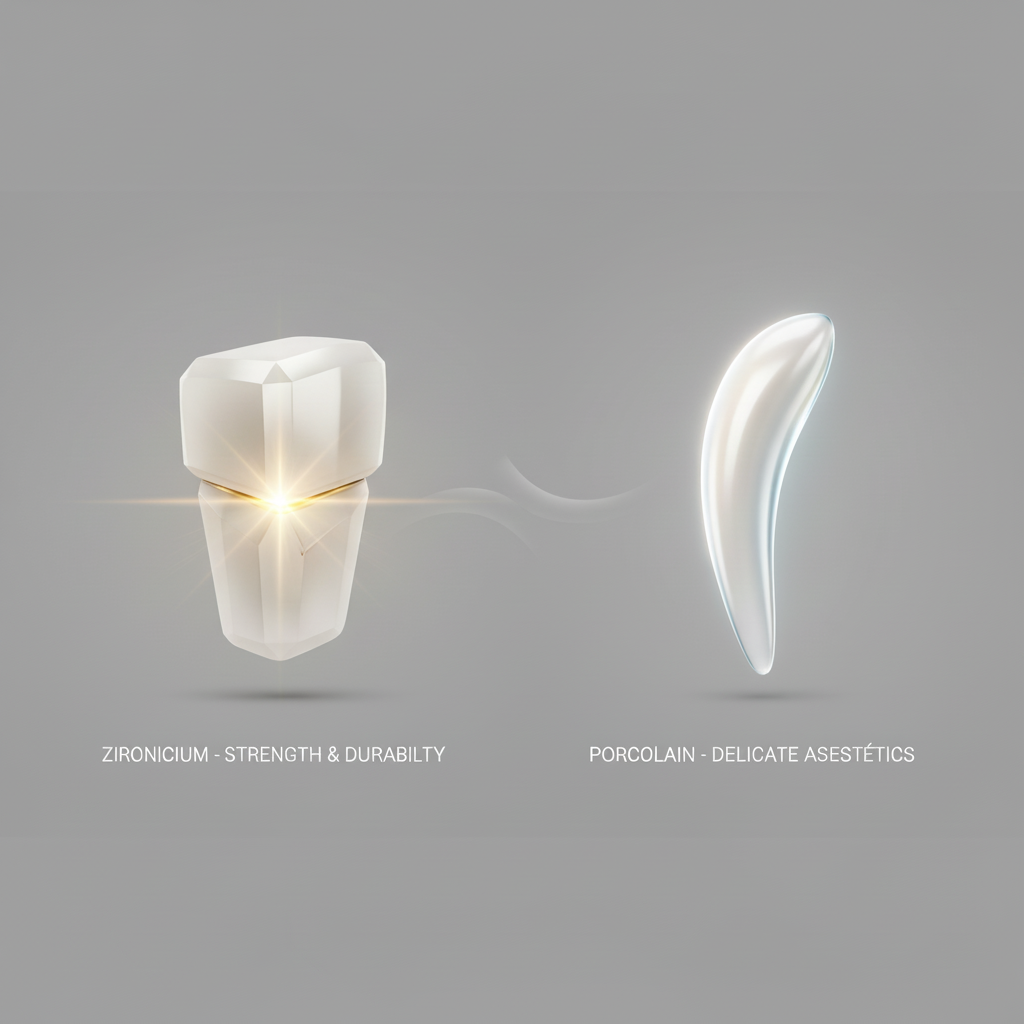
When considering a dental crown, the choice often comes down to zirconium or porcelain. Both offer excellent restorative properties, but they differ in composition, aesthetics, strength, and cost. Understanding these distinctions is crucial for making an informed decision about which crown material is best suited for your individual needs.
Material Composition and Strength
Porcelain crowns, often referred to as ceramic crowns, can be made entirely of porcelain or fused to a metal base (PFM). Full porcelain crowns offer excellent aesthetics but can be more brittle than zirconia. PFM crowns provide strength due to the metal, but compromise on natural translucency and can expose metal at the gum line over time. Zirconia, as an advanced ceramic, combines the strength of metal with the aesthetics of porcelain, often surpassing both in durability and natural appearance.
Aesthetic Considerations
While full porcelain crowns can offer beautiful translucency, achieving a perfect match can sometimes be challenging, and they are more prone to chipping. PFM crowns, as mentioned, have aesthetic limitations due to the metal. Zirconium crowns, particularly newer multi-layered zirconia, excel in aesthetics. They can be custom-shaded and layered with porcelain to achieve a highly natural, translucent finish that reflects light similarly to natural tooth enamel, making them virtually indistinguishable from surrounding teeth.
Longevity and Wear
Zirconium crowns are generally considered superior in terms of long-term durability and resistance to wear and tear. Their fracture resistance means they are less likely to chip or crack, especially in areas of high biting pressure. Porcelain crowns, while durable, are more susceptible to fracture. The surface of zirconia is also less abrasive to opposing natural teeth compared to some other crown materials.
Here’s a detailed comparison table:
| Feature | Zirconium Crowns | Porcelain Crowns (All-Ceramic) |
|---|---|---|
| Material | Zirconium Dioxide (a highly durable ceramic) | Feldspathic porcelain, Empress, Emax (lithium disilicate) |
| Strength/Durability | Excellent (very high fracture resistance), ideal for molars. | Good (can be brittle, especially traditional porcelain), better for anterior teeth. |
| Aesthetics | Excellent (natural translucency, no dark lines, customizable). | Excellent (high translucency), but can sometimes lack natural depth/layering. |
| Biocompatibility | Excellent (hypoallergenic, gentle on gums). | Excellent (hypoallergenic, good tissue response). |
| Tooth Reduction | Often less aggressive due to material strength. | Can require more aggressive reduction for strength, depending on type. |
| Cost (NZ) | Generally higher due to material and lab processing. | Generally lower than zirconium, but can vary by type (e.g., Emax). |
| Longevity | Very high (10-15+ years with proper care). | High (5-15 years, depending on material and oral habits). |
Factors Influencing Zirconium Crowns Cost NZ
The cost of zirconium crowns in New Zealand is not uniform and can fluctuate based on a variety of critical factors. Understanding these elements can help patients anticipate the overall investment and avoid surprises.
Clinic Location and Dentist’s Expertise
Dental practices in major cities like Auckland, Wellington, or Christchurch may have higher overheads, leading to higher prices compared to clinics in smaller towns or rural areas. Furthermore, the experience and reputation of the dentist or prosthodontist performing the procedure can influence the cost. Highly specialized practitioners with extensive experience in cosmetic and restorative dentistry may charge more for their expertise.
Complexity of the Case and Additional Treatments
The condition of your oral health plays a significant role. If you require preliminary treatments such as root canal therapy, gum disease treatment, fillings, or extractions before a crown can be placed, these procedures will add to the total cost. The complexity of the crown preparation itself, especially if it’s for a difficult-to-access tooth or involves significant tooth rebuilding, can also increase the fee.
Laboratory Quality and Technology
The dental laboratory responsible for fabricating the zirconium crown also impacts the price. High-quality labs that use advanced CAD/CAM technology, premium zirconia materials, and employ skilled ceramicists will charge more. These labs typically produce crowns with superior fit, aesthetics, and durability, justifying the higher cost through long-term performance and patient satisfaction. Cheaper labs might compromise on material quality or precision, potentially leading to issues down the line.
The Zirconium Crown Procedure: From Consultation to Final Fit
The process of getting a zirconium crown typically involves several stages, ensuring a precise fit and optimal aesthetic outcome.
Initial Assessment and Treatment Planning
The journey begins with a comprehensive dental examination, including X-rays and possibly 3D scans. The dentist will assess the health of the tooth, determine if a crown is the appropriate solution, and discuss your aesthetic goals. A detailed treatment plan will be formulated, outlining the steps, materials, and associated costs.
Tooth Preparation and Temporary Crowns
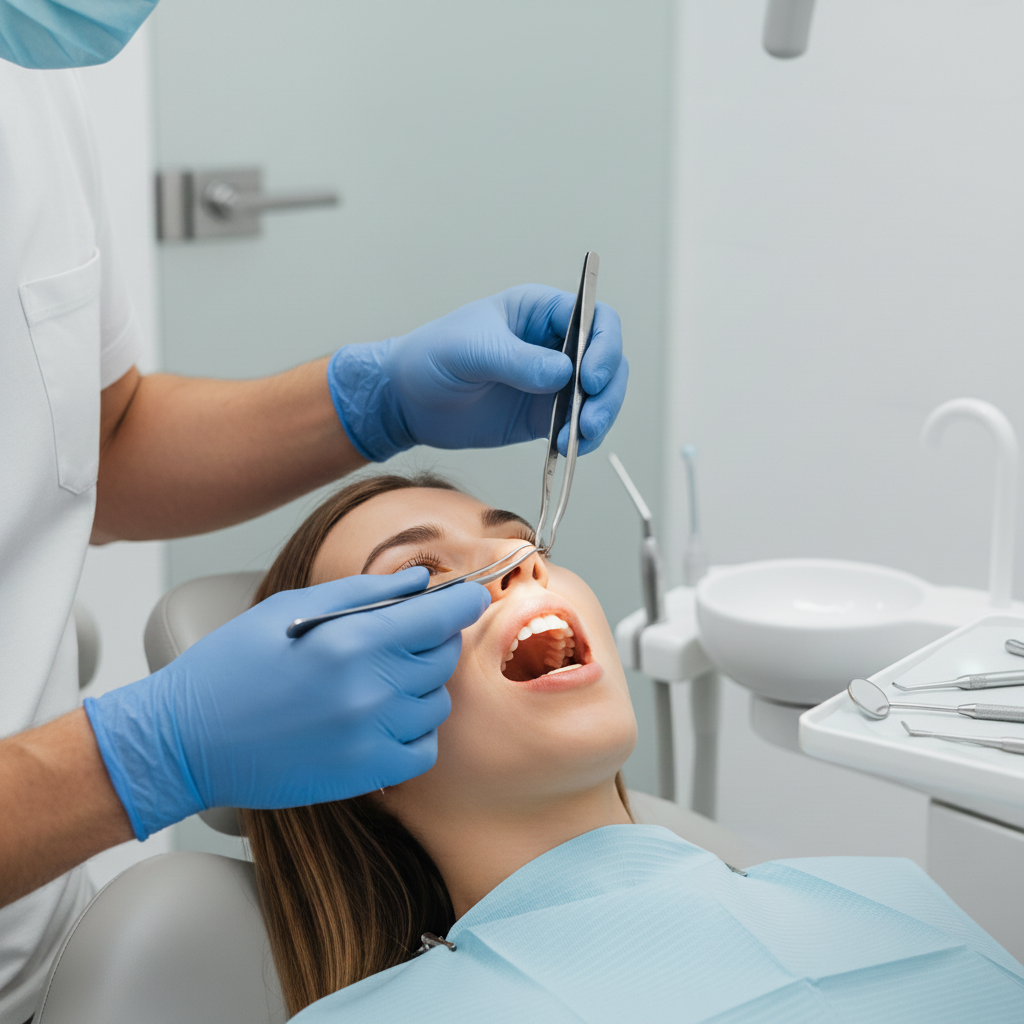
During the first restorative appointment, the dentist will numb the area and meticulously reshape the tooth to accommodate the crown. This involves removing a small amount of enamel and dentin to create space for the zirconium material. Once the tooth is prepared, an impression (either traditional putty or digital scan) is taken to create a precise model of your tooth. A temporary crown, usually made of acrylic, is then placed to protect the prepared tooth while your permanent zirconium crown is being fabricated by the dental lab. This temporary crown also helps maintain spacing and aesthetics.
Precision Fabrication and Permanent Placement
The impressions or digital scans are sent to a specialized dental laboratory. Using advanced CAD/CAM (computer-aided design/computer-aided manufacturing) technology, the zirconia crown is digitally designed and then milled from a solid block of zirconia. It undergoes a sintering process to enhance its strength and is then meticulously hand-finished and shaded to perfectly match your natural teeth. Once the permanent crown arrives from the lab, you will return for your second appointment. The dentist will remove the temporary crown and carefully check the fit, bite, and aesthetics of the new zirconium crown. Any minor adjustments are made before the crown is permanently bonded to your tooth using a strong dental cement.
Long-Term Value and Considerations for Zirconium Crowns
Investing in zirconium crowns is a decision that impacts not only your oral health but also your confidence and quality of life for many years. Maximising the lifespan and performance of your crown requires ongoing commitment to oral hygiene and regular dental check-ups. For more information on dental crowns and their costs, consult reliable sources such as Wikipedia’s entry on Dental Crowns.
Expected Lifespan
With diligent oral hygiene and regular dental visits, a zirconium crown can last 10 to 15 years, and often much longer. Factors that can influence its lifespan include:
- The location of the crown in your mouth (front teeth generally experience less wear).
- Your biting habits (e.g., teeth grinding, clenching).
- Your overall oral hygiene routine.
- Consumption of hard or sticky foods.
Oral Hygiene Tips
Maintaining your zirconium crown is similar to caring for your natural teeth. Brush twice a day with a fluoride toothpaste, floss daily to remove plaque and food particles from around the crown and gum line, and use an antiseptic mouthwash if recommended by your dentist. While zirconium is highly resistant to staining, maintaining good hygiene will ensure the surrounding natural teeth remain healthy and prevent gum issues.
Regular Dental Check-ups
Routine dental check-ups and professional cleanings are paramount. Your dentist can monitor the condition of your crown, check for any signs of wear or damage, and ensure the surrounding gum tissue remains healthy. Early detection of any potential issues can prevent more significant problems and extend the life of your crown.
Is Travelling Abroad for Zirconium Crowns a Viable Option for NZ Residents?
Given the significant cost of dental procedures in New Zealand, many residents explore options for dental tourism. Countries like Turkey have become popular destinations for high-quality, yet more affordable, dental treatments, including zirconium crowns. The potential for substantial cost savings is a primary driver. However, it’s essential to weigh these savings against other considerations:
- Quality of Care: Research clinics thoroughly, ensuring they adhere to international standards, use reputable materials, and have experienced dentists.
- Travel and Accommodation Costs: Factor in flights, accommodation, and living expenses, which can partially offset treatment savings.
- Follow-up Care: Consider how follow-up appointments or potential complications would be managed once you return to New Zealand.
- Time Commitment: The procedure may require multiple visits over a period, necessitating extended stays abroad.
Making an Informed Decision
- Consulting with Dentists: Always seek advice from a qualified dental professional who can assess your specific situation and recommend the best material for your needs.
- Understanding Treatment Plans: Request a detailed breakdown of all costs involved, including the crown itself, preliminary treatments, and follow-up care.
- Long-Term Value vs. Initial Cost: While the initial cost of zirconium crowns may be higher, their exceptional durability and aesthetic appeal often translate into better long-term value, reducing the need for replacements or repairs in the future.
By understanding the material, process, and cost factors, New Zealand residents can make a confident and informed decision regarding zirconium crowns for their dental restoration needs.