Dental Crown Cost New Zealand – Complete Breakdown
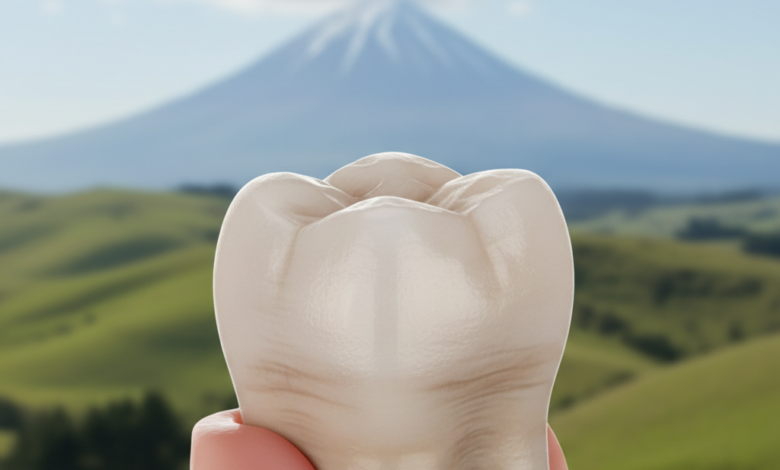
1. Material Type: This is arguably the most significant factor. Crowns can be made from various materials, each with distinct properties affecting durability, aesthetics, and cost:
Dental Crown Cost New Zealand – Complete Breakdown
Understanding the intricacies of dental crown costs in New Zealand is crucial for anyone considering this restorative dental procedure. A dental crown, often referred to as a “cap,” is a custom-made covering that fits over a damaged or weakened tooth, restoring its shape, size, strength, and improving its appearance. This vital treatment can significantly prolong the life of a tooth that might otherwise need extraction, offering both functional and aesthetic benefits. As a leading solution for various dental issues, from extensive decay and fractures to supporting large fillings or serving as the final restoration for a dental implant, crowns play a pivotal role in maintaining oral health and achieving a confident smile. However, navigating the financial aspect requires a clear understanding of the factors involved, as the investment can vary widely based on material, complexity, and clinic specifics within the New Zealand dental landscape.
What is a Dental Crown and When is it Needed?
A dental crown is a permanent prosthetic device, custom-designed to encase the entire visible portion of a tooth above the gum line. It effectively becomes the new outer surface of the tooth, providing protection, strength, and an improved aesthetic. Dentists recommend crowns for a variety of reasons, primarily to:
- Restore a tooth that has suffered extensive decay and cannot be repaired with a simple filling.
- Protect a weak tooth from fracturing or to hold together parts of a cracked tooth.
- Restore an already fractured tooth.
- Cover and support a tooth with a large filling when there isn’t much tooth structure remaining.
- Cover discolored or badly shaped teeth for cosmetic enhancement.
- Cover a dental implant.
- Hold a dental bridge in place.
The decision to get a dental crown is typically made after a thorough examination by a qualified dentist, who assesses the extent of tooth damage, the patient’s overall oral health, and discusses suitable material options.
Factors Influencing Dental Crown Cost New Zealand
- Porcelain Fused to Metal (PFM): These crowns have a metal base for strength, covered with a layer of porcelain for a natural tooth appearance. They are durable but can sometimes show the metal margin at the gum line.
- All-Ceramic/Porcelain: These crowns offer the best aesthetic match to natural teeth, making them ideal for front teeth. They are metal-free and biocompatible, but some types can be less durable than zirconia or PFM.
- Zirconia: A very strong and durable ceramic material that can be tooth-colored. Zirconia crowns are excellent for both front and back teeth due to their strength and good aesthetics.
- E-max (Lithium Disilicate): A type of all-ceramic crown known for its exceptional strength and highly aesthetic translucent properties, mimicking natural tooth enamel very closely.
- Gold Alloys/Metal: While less common for aesthetic reasons, gold and other metal alloys are extremely strong, durable, and resistant to fracture and wear. They are often chosen for back molars where aesthetics are less of a concern.
2. Clinic Location: Dental costs can vary geographically within New Zealand. Major cities like Auckland or Wellington may have higher overheads, potentially leading to slightly higher prices compared to smaller towns or regional clinics.
3. Dentist’s Experience and Expertise: Highly experienced dentists or specialists may charge more for their services due to their advanced skills, reputation, and the quality of their work.
4. Complexity of the Case: A straightforward crown procedure on an easily accessible tooth will generally cost less than a complex case involving significant tooth damage, root canal treatment prior to crowning, or challenging placement.
5. Additional Procedures Required: Often, a crown isn’t the only treatment needed. Before a crown can be placed, patients might require:
- Root canal therapy if the tooth’s pulp is infected or severely damaged.
- Build-up (core foundation) if insufficient tooth structure remains to support the crown.
- Gum reshaping or other periodontal treatments.
- Temporary crowns during the fabrication period.
Each of these additional procedures adds to the overall cost.
6. Dental Laboratory Fees: The quality of the dental lab used to fabricate the crown plays a role. High-quality labs that use advanced technology and materials typically charge more, which is reflected in the overall crown cost.
To provide a clearer picture, here’s an estimated breakdown of dental crown costs in New Zealand based on material, though these are approximations and can vary:
| Crown Material Type | Typical Cost Range (NZD) Per Tooth | Pros | Cons |
|---|---|---|---|
| Porcelain Fused to Metal (PFM) | $1,200 – $1,800 | Good strength, reasonable aesthetics, durable. | Metal margin can show, potential for porcelain chipping. |
| All-Ceramic/Porcelain | $1,500 – $2,200 | Excellent aesthetics, natural look, metal-free. | Can be less durable than zirconia for back teeth. |
| Zirconia | $1,600 – $2,500 | Very strong, durable, good aesthetics, biocompatible. | Can be abrasive to opposing teeth if not highly polished. |
| E-max (Lithium Disilicate) | $1,700 – $2,600 | Superior aesthetics, high strength, excellent translucency. | Higher cost, primarily for front teeth. |
| Gold Alloys/Metal | $1,400 – $2,200 | Exceptional durability, minimal tooth reduction, gentle on opposing teeth. | Poor aesthetics (metallic color). |
Note: These figures are estimates and can vary significantly between clinics and depend on the specific requirements of each case. It’s always best to obtain a detailed quote from your dental practitioner.
The Dental Crown Procedure: What to Expect
Receiving a dental crown typically involves at least two appointments, though some modern clinics with CAD/CAM technology (like digital dentistry solutions) can complete the process in a single visit.
First Appointment: Preparation and Impression
- Examination and X-rays: The dentist will examine the tooth and take X-rays to check the roots and surrounding bone. If there’s extensive decay or a risk of infection to the tooth’s pulp, a root canal treatment may be performed first.
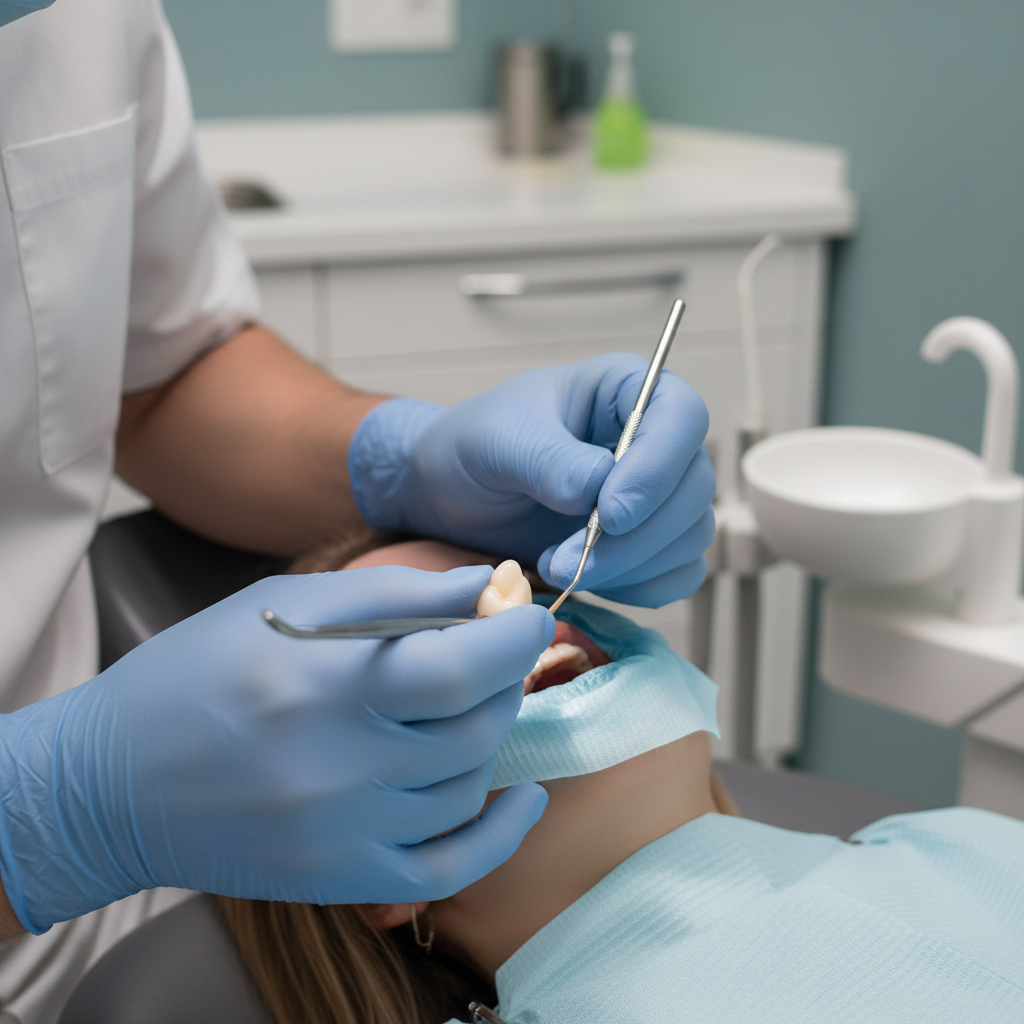
- Tooth Preparation: The tooth receiving the crown is reshaped. This involves removing a small amount of enamel and dentin around the sides and top of the tooth to make room for the crown to fit over it. The amount removed depends on the type of crown material.
- Impressions: After reshaping, impressions of the prepared tooth and the opposing arch are taken. These impressions, either traditional putty or digital scans, are sent to a dental laboratory where the custom crown will be fabricated.
- Temporary Crown Placement: A temporary crown made of acrylic or resin is placed over the prepared tooth. This protects the tooth from sensitivity, helps maintain its position, and allows you to eat and speak normally while the permanent crown is being made.
Second Appointment: Permanent Crown Placement
- Temporary Crown Removal: The temporary crown is carefully removed.
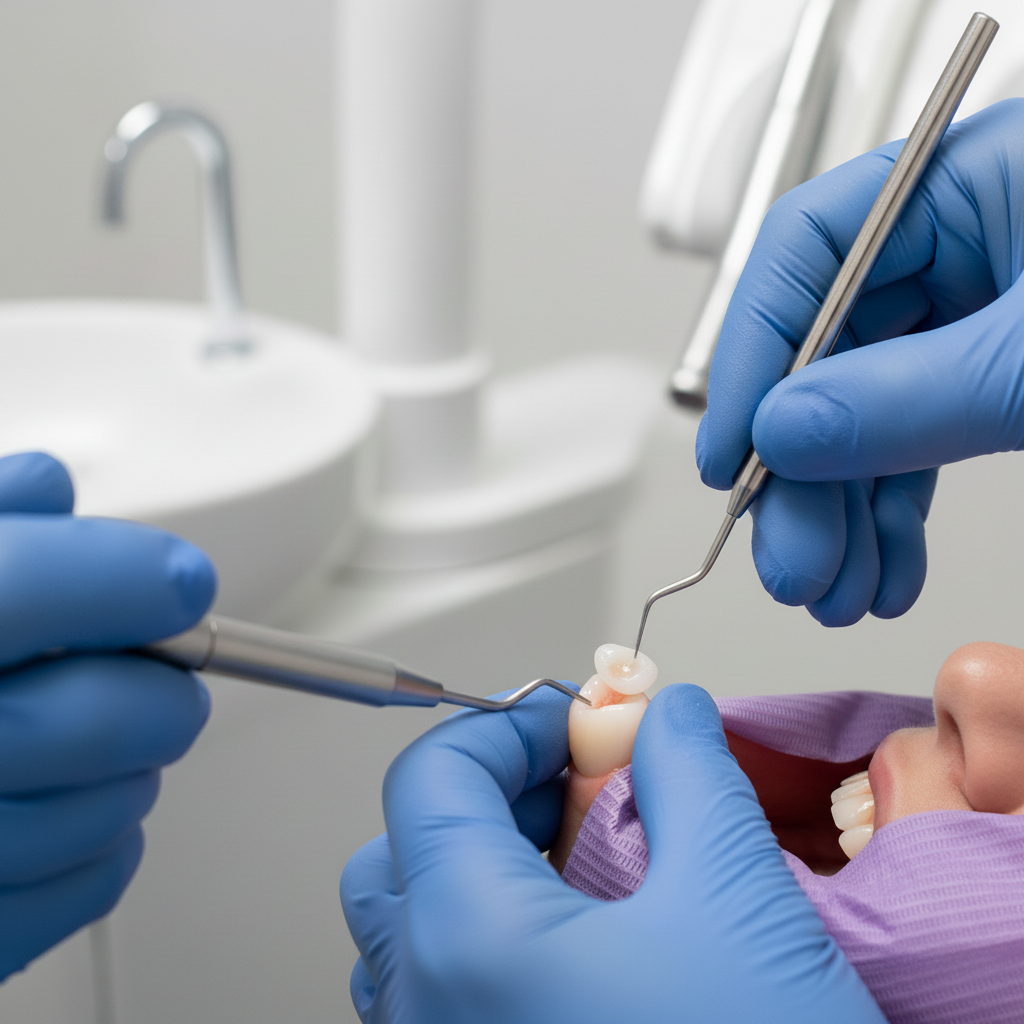
- Fit and Shade Check: The dentist will check the fit and shade of the permanent crown to ensure it blends seamlessly with your natural teeth and that your bite is correct. Adjustments may be made if necessary.
- Cementation: Once approved, the permanent crown is permanently cemented onto the prepared tooth.
- Final Polish: The dentist will ensure the crown is properly seated and polished, providing instructions for care and maintenance.
With modern dental practices, the use of veneers for cosmetic enhancements or single-visit crown technology highlights the advancements in patient care and efficiency.
Longevity and Maintenance of Dental Crowns
With proper care, a dental crown can last anywhere from 5 to 15 years, and even longer. The lifespan of a crown largely depends on several factors:
- Oral Hygiene: Diligent brushing twice a day and flossing daily, especially around the crown, is crucial to prevent decay at the crown margin and gum disease.
- Diet: Avoiding excessively hard or sticky foods can prevent damage or dislodgement of the crown.
- Bruxism (Teeth Grinding): Patients who grind or clench their teeth may benefit from wearing a night guard to protect their crowns from excessive wear.
- Regular Dental Check-ups: Routine visits to the dentist for cleaning and examinations allow for early detection of any issues with the crown or underlying tooth.
- Material Quality: As discussed, some materials are inherently more durable than others.
Understanding these factors and committing to excellent oral care can significantly extend the life of your dental crown, making it a valuable long-term investment in your oral health.
Navigating Dental Insurance and Financing in New Zealand
For many New Zealanders, dental costs can be a significant concern. While the public health system offers limited dental care, primarily for children and adolescents up to 18 years, and emergency treatment for adults on low incomes, most restorative and cosmetic procedures like dental crowns fall under private dentistry. This means patients are typically responsible for the full cost.
Dental Insurance: Private dental insurance plans are available in New Zealand through various providers. These plans can help offset the cost of dental treatments. It’s important to review the policy details carefully, understanding what percentage of costs are covered, annual limits, waiting periods, and any exclusions for specific procedures like crowns. Some plans may cover a portion of major restorative work, while others might focus more on preventative care.
Payment Plans: Many dental clinics in New Zealand offer flexible payment plans, allowing patients to spread the cost of treatment over several months. These can be interest-free options or involve third-party financing solutions. Discussing payment options with your clinic’s administrative staff before commencing treatment is always recommended.
Investing in a dental crown is an investment in your long-term health and well-being. By understanding the factors that influence the Dental Crown Cost New Zealand, along with financing options, you can make an informed decision that best suits your needs and budget. For further information on dental crowns and their applications, authoritative resources like Wikipedia’s entry on dental crowns can offer broader context.