How Much Do Veneers Cost in New Zealand?
How Much Do Veneers Cost in New Zealand?
Achieving a radiant, symmetrical smile is a common aesthetic goal for many, and dental veneers offer a transformative solution. These thin, custom-made shells are designed to cover the front surface of teeth, effectively correcting a range of cosmetic imperfections from discolouration and chips to minor misalignments and gaps. In New Zealand, the demand for high-quality cosmetic dentistry, including veneers, continues to grow as individuals seek both functional oral health and enhanced aesthetic appeal. However, the decision to invest in veneers often comes with a significant financial consideration, prompting many to inquire about the specific costs involved. Understanding the factors that contribute to the overall price is crucial for anyone considering this popular dental procedure. This comprehensive guide aims to demystify the expenses associated with dental veneers in New Zealand, providing clarity on what to expect financially and detailing the various elements that influence the final cost. We will explore material choices, procedural steps, and how different clinics may approach pricing, empowering prospective patients to make informed decisions about their smile makeover journey.
Veneers Cost in New Zealand: A Detailed Breakdown
The question of “Veneers Cost in New Zealand” is multifaceted, as there isn’t a single, fixed price. Instead, the cost is a range, typically influenced by the type of material chosen, the number of veneers required, the complexity of the case, and the dental clinic’s location and reputation. On average, a single porcelain veneer in New Zealand can range from NZD $1,000 to NZD $2,500 or more per tooth. Composite veneers, often considered a more budget-friendly alternative, generally fall within the range of NZD $400 to NZD $1,000 per tooth. It’s essential to understand that these figures are estimates, and a personalised quote can only be provided after a thorough consultation with a qualified dentist. The investment in veneers extends beyond just the material and application; it encompasses the dentist’s expertise, the precision of the dental lab, and the aftercare support, all of which contribute to the longevity and aesthetic success of the treatment.
| Factor | Description | Impact on Cost |
|---|---|---|
| Material Type | Porcelain (Ceramic) vs. Composite Resin | Porcelain veneers are significantly more expensive due to their durability, aesthetics, and complex lab fabrication process. Composite is less costly as it’s applied directly. |
| Number of Veneers | How many teeth require veneers | The more veneers needed (e.g., a full smile makeover typically involves 6-8 upper front teeth), the higher the total cost. Discounts for multiple veneers are rare. |
| Dentist’s Experience & Location | Skill level, reputation, and geographic location of the clinic | Highly experienced cosmetic dentists and clinics in major cities (Auckland, Wellington, Christchurch) often have higher fees due to demand and overheads. |
| Additional Procedures | Any preliminary treatments required (e.g., teeth whitening, gum contouring, orthodontics, fillings) | If underlying oral health issues or aesthetic concerns need addressing before veneers, these will add to the total cost. |
| Dental Lab Fees | Cost of custom fabrication by a dental laboratory | High-quality dental labs that use advanced technology and materials to create precise, aesthetically pleasing porcelain veneers will incur higher fees. |
| Technology Used | Application of digital dentistry, 3D imaging, CAD/CAM | Clinics utilising state-of-the-art technology for planning and fabrication may have slightly higher costs, reflecting the improved precision and outcome. |
Understanding Veneer Materials: Porcelain vs. Composite
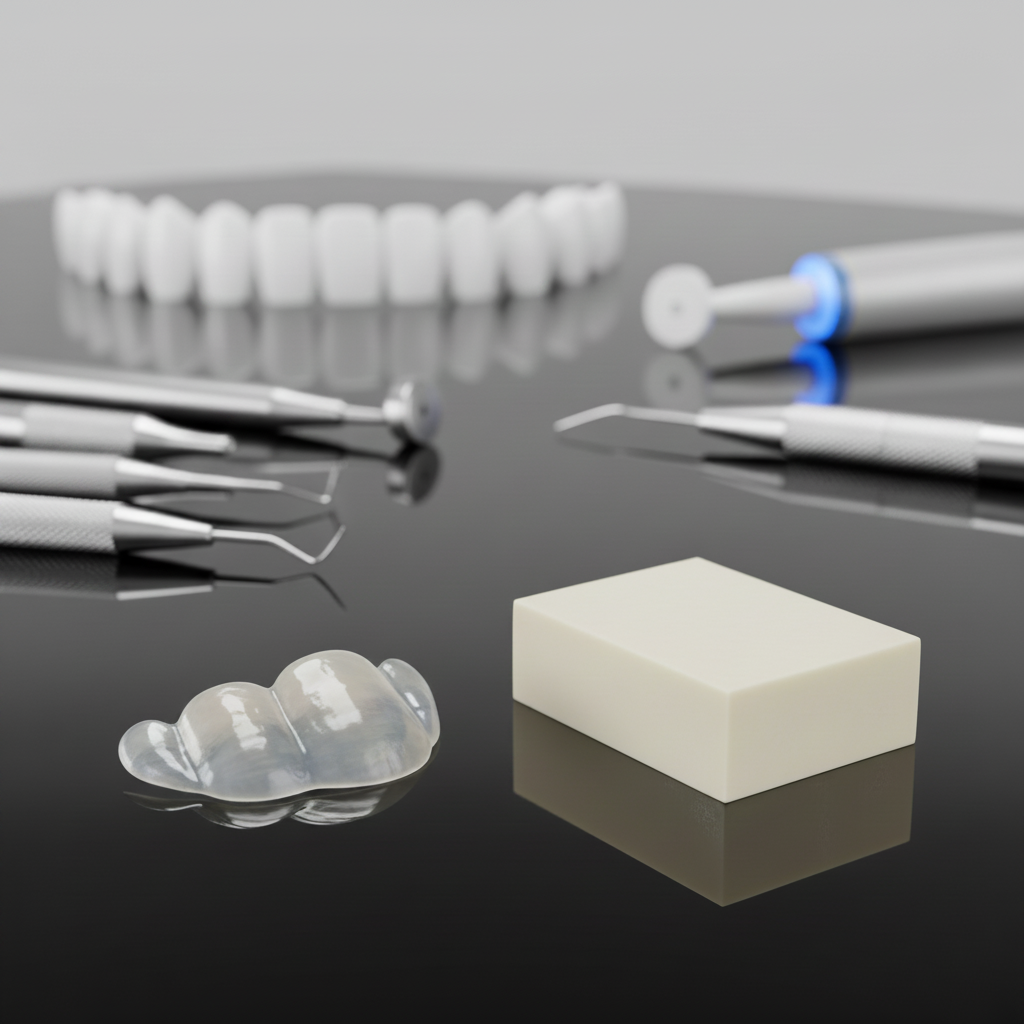
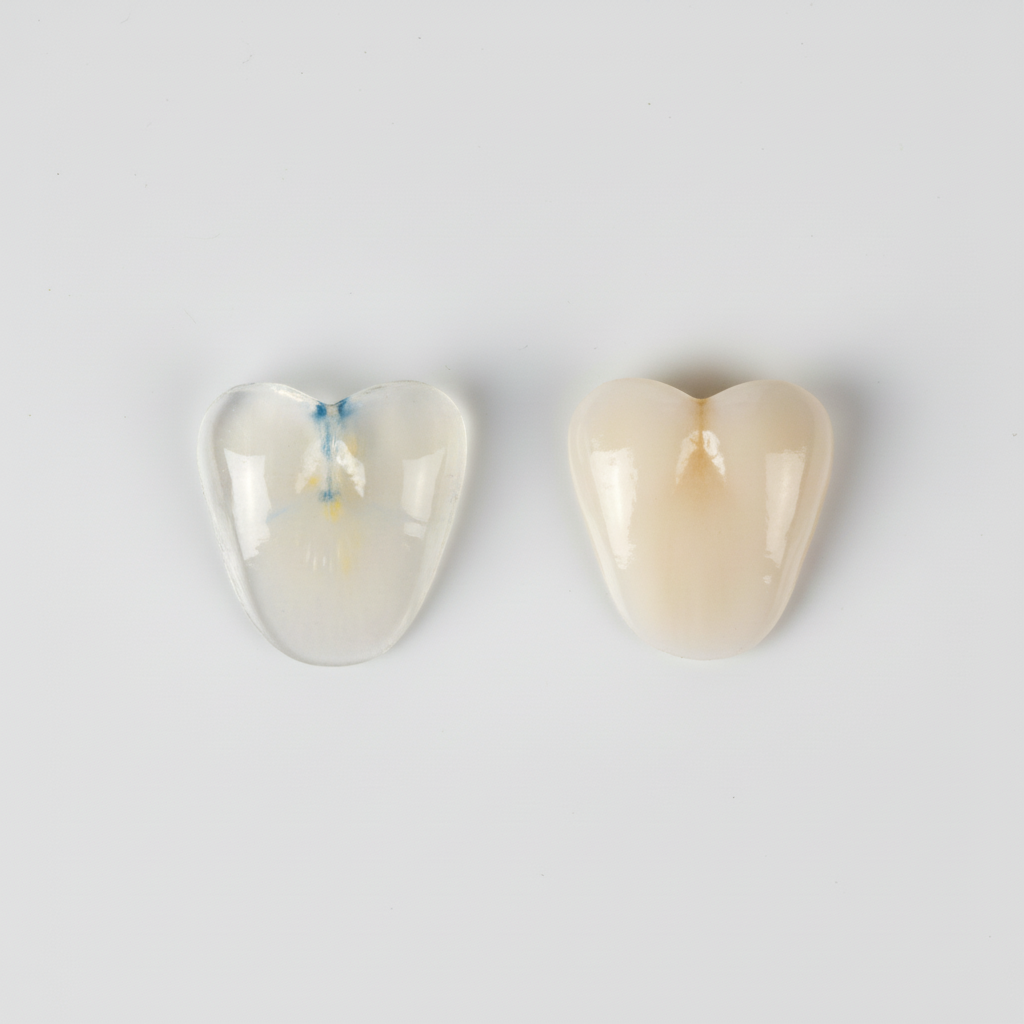
The choice between porcelain and composite veneers is one of the most significant factors influencing both the cost and the outcome of your smile transformation. Porcelain veneers, typically made from high-quality ceramic materials like E-max or zirconia, are renowned for their exceptional durability and natural appearance. They are custom-fabricated in a dental laboratory, a process that allows for precise colour matching, shape, and translucency that closely mimics natural tooth enamel. Porcelain is highly resistant to stains and can last 10-15 years or even longer with proper care. The meticulous crafting process and the material’s superior qualities contribute to their higher price point.
Composite resin veneers, on the other hand, are made from a tooth-coloured resin material that is applied directly to the tooth’s surface, sculpted into the desired shape, and then hardened with a special light. This “bonding” procedure can often be completed in a single visit, making it a faster and less invasive option. While composite veneers are more affordable and easily repairable, they are generally less durable than porcelain and may be more susceptible to staining over time. Their lifespan typically ranges from 5-7 years before needing repair or replacement. The decision between these two materials often balances budget, desired aesthetics, and long-term expectations.
The Veneer Application Process: What to Expect
Embarking on the journey to a new smile with veneers involves several key steps, designed to ensure a precise fit and optimal aesthetic outcome. It typically begins with an initial consultation, where the dentist assesses your oral health, discusses your aesthetic goals, and determines if veneers are the most suitable treatment. This is a crucial stage for planning and understanding the full scope of the procedure.
For porcelain veneers, the next step involves minimal tooth preparation, where a small amount of enamel (usually about 0.5 mm) is removed from the front surface of the teeth. This creates space for the veneer, preventing the smile from looking bulky. Impressions of your teeth are then taken and sent to a dental laboratory, where skilled technicians custom-fabricate your veneers. Temporary veneers may be placed to protect the prepared teeth while you await the permanent ones. Once the custom veneers arrive from the lab, usually after a couple of weeks, you’ll return for the final placement appointment. The dentist meticulously bonds each veneer to the tooth using a strong dental adhesive, ensuring a perfect fit, alignment, and bite. For composite veneers, the process is often completed in a single appointment, as the resin is directly sculpted and bonded to the teeth. Regardless of the material, the ultimate goal is to achieve a beautiful, natural-looking smile that enhances your overall facial harmony.
Factors Influencing Veneer Pricing in New Zealand
Beyond the fundamental cost variations between porcelain and composite veneers, several other elements significantly influence the final price tag for a smile makeover in New Zealand. The expertise of the cosmetic dentist plays a pivotal role; highly skilled and experienced practitioners who consistently deliver exceptional results may command higher fees. Their proficiency ensures not only a beautiful outcome but also the longevity and functional integrity of the veneers. Furthermore, the geographical location of the dental clinic is a key determinant. Clinics situated in major metropolitan areas such such as Auckland, Wellington, or Christchurch often have higher operating costs, which can translate into higher treatment prices compared to those in smaller towns or rural regions.
The number of veneers required for a patient’s desired outcome also directly impacts the total expenditure. A full smile transformation typically involves placing 6-8 veneers on the upper front teeth, which are most visible when smiling. Each additional veneer will, naturally, increase the overall cost. Lastly, any preparatory dental work, such as treating gum disease, addressing cavities, or even teeth whitening before veneer placement to match surrounding natural teeth, will add to the overall investment. These additional procedures are vital to ensure a healthy foundation for the veneers and prevent future complications, thus contributing to the comprehensive cost of the aesthetic treatment.
Financing Options and Insurance Coverage for Veneers in NZ
Understanding the various financial avenues available can help make the investment in veneers more manageable. In New Zealand, while the upfront cost of veneers can be substantial, many dental clinics offer various payment plans to help spread the cost over time. These plans might include interest-free instalments, in-house financing, or partnerships with third-party medical finance providers. It is always advisable to discuss these options during your initial consultation to find a payment structure that suits your budget.
When it comes to dental insurance, it’s important to note that cosmetic procedures like veneers are generally not covered by standard dental insurance policies in New Zealand. Most basic policies primarily focus on essential restorative treatments such as fillings, extractions, and routine check-ups. However, if veneers are deemed medically necessary – for example, to restore a tooth that has been severely damaged due to trauma or disease, rather than purely for aesthetic reasons – there might be a partial coverage option, depending on your specific policy. It is crucial to check with your insurance provider directly and review your policy documents thoroughly to understand what is, and is not, covered. For those considering comprehensive cosmetic treatments, exploring options for a complete smile makeover guide might also provide valuable insights into broader financial planning for dental aesthetics.
The Benefits of Dental Veneers Beyond Aesthetics
While the primary motivation for seeking dental veneers is often aesthetic enhancement, the benefits extend far beyond simply improving the appearance of a smile. Veneers offer a robust solution for a variety of dental imperfections, providing both functional improvements and a significant boost to a patient’s quality of life. Functionally, veneers can protect teeth that have sustained minor damage, such as chips or cracks, by providing a durable outer layer. They can also correct minor spacing issues or misalignments without the need for lengthy orthodontic treatments, offering a quicker path to a more uniform smile.
Psychologically, the impact of veneers is profound. Many individuals who have lived with self-consciousness about their smile report a dramatic increase in self-confidence after receiving veneers. This renewed self-assurance can positively influence personal interactions, professional opportunities, and overall mental well-being. Furthermore, porcelain veneers are highly resistant to stains from coffee, tea, and tobacco, helping to maintain a bright, consistent smile over many years, unlike natural teeth which can discolour. Their exceptional durability means that with proper care, veneers can provide a long-lasting, beautiful smile that continues to deliver benefits for a decade or more, making the initial investment a worthwhile one for many.
Maintaining Your Veneers for Lasting Results
Once you have invested in veneers, proper maintenance is crucial to ensure their longevity and to protect your oral health. While veneers themselves are durable and stain-resistant, the underlying teeth and gums still require diligent care. Regular oral hygiene practices, identical to those for natural teeth, are paramount. This includes brushing twice a day with a non-abrasive toothpaste and a soft-bristled toothbrush. Flossing daily is also essential to remove food particles and plaque from between teeth and along the gum line, preventing gum disease, which can compromise the integrity of your veneers.
Beyond daily care, routine dental check-ups and professional cleanings are vital. Your dentist can monitor the condition of your veneers, check for any signs of wear or damage, and ensure that your gums remain healthy. Avoiding habits that could damage your veneers is also important. This includes refraining from biting on extremely hard foods or objects, such as ice, nuts, or fingernails, which could chip or dislodge them. If you grind or clench your teeth, especially at night, your dentist may recommend a night guard to protect your veneers from excessive force. By adhering to these maintenance guidelines, you can significantly extend the lifespan of your veneers, enjoying your beautiful, enhanced smile for many years to come.
Is the Investment in Veneers Worthwhile? A Long-Term Perspective
Deciding to get dental veneers is a significant financial commitment, leading many to ponder whether the investment is truly worthwhile. When viewed from a long-term perspective, the value of veneers often extends far beyond their initial cost, encompassing both tangible and intangible benefits that can profoundly impact an individual’s life. Functionally, porcelain veneers are highly durable, often lasting 10 to 15 years, and sometimes even longer, with appropriate care. This longevity means that while the upfront cost is substantial, the annualised cost can be comparable to, or even less than, repeated less durable cosmetic treatments over the same period. Their resistance to staining also reduces the need for frequent professional whitening treatments, adding to their long-term cost-effectiveness.
Beyond the practical aspects, the psychological and social returns on investment are often immeasurable. A beautiful, confident smile can significantly enhance self-esteem, improve social interactions, and even influence professional opportunities. For many, the ability to smile without hesitation or self-consciousness is a transformative experience that positively impacts their overall quality of life. While the initial expense for veneers in New Zealand is a considerable factor, weighing it against the years of enhanced confidence, improved oral aesthetics, and the durability of the treatment reveals a compelling case for its long-term value. Understanding the comprehensive nature of dental veneers can help individuals gauge their personal benefit. More information on the general concepts of veneers can be found on authoritative sources like Wikipedia, which provides a broad overview of their history, types, and application.
Choosing the Right Dentist for Your Veneers in New Zealand
The success and longevity of your veneers depend immensely on the skill and experience of the dentist you choose. Selecting the right practitioner in New Zealand is a crucial step in your smile transformation journey, ensuring not only aesthetic excellence but also the health and integrity of your teeth. Begin by researching dentists who specialise in cosmetic dentistry and have extensive experience with veneer placements. Look for testimonials, before-and-after photo galleries, and patient reviews, which can offer insights into the quality of their work and patient satisfaction. A reputable dentist will have a strong portfolio demonstrating consistently beautiful and natural-looking results.
During your initial consultation, pay attention to how thoroughly the dentist assesses your oral health and discusses your aesthetic goals. A good cosmetic dentist will not rush the process; instead, they will take the time to explain the veneer options, the procedural steps, potential risks, and the expected outcomes in detail. They should also be transparent about the cost breakdown and any financing options available. Furthermore, inquire about the technology they utilise, such as digital imaging for precise smile design and high-quality dental laboratories for veneer fabrication. A dentist who employs advanced techniques and collaborates with skilled lab technicians is more likely to deliver superior results. Finally, ensure you feel comfortable and confident with your chosen dentist, as a trusting relationship is fundamental to a positive dental experience.