Why Is Dental Treatment So Expensive in New Zealand?
Navigating the landscape of healthcare costs can be a daunting experience, and dental treatment often stands out as a significant financial concern for many New Zealanders. The perception that dental care is expensive is widespread, leading some to delay or avoid necessary treatments, which can ultimately result in more complex and costly issues down the line. Understanding the underlying reasons behind these costs is crucial for making informed decisions about oral health. From the operational expenses of clinics to the advanced nature of modern dentistry, several factors contribute to the overall price tag of maintaining a healthy smile in Aotearoa.
Why Is Dental Treatment So Expensive in New Zealand?
Understanding the Cost Factors in New Zealand Dentistry
The cost of dental treatment isn’t simply a matter of the procedure itself; it’s a reflection of a multifaceted healthcare system. Several key elements converge to determine the fees charged by dental practices across New Zealand.
High Operating Costs and Infrastructure
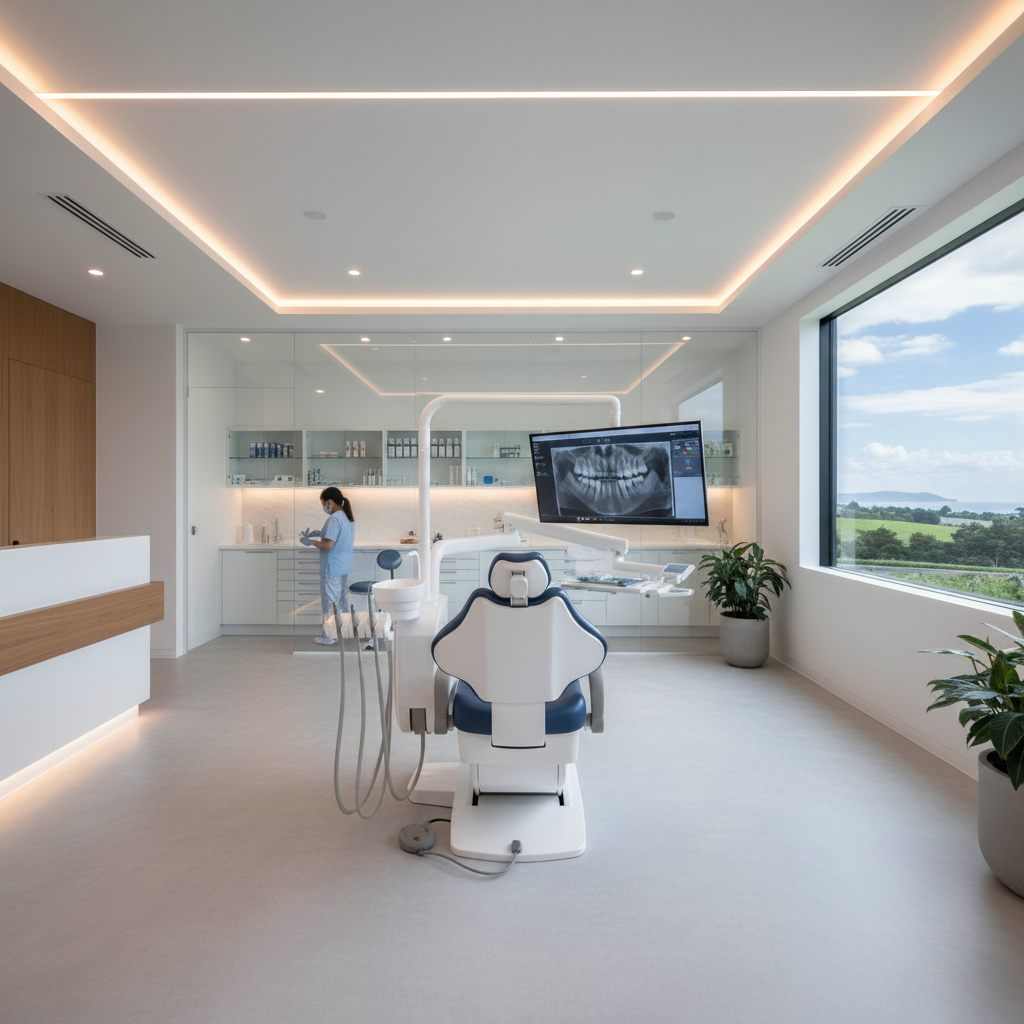
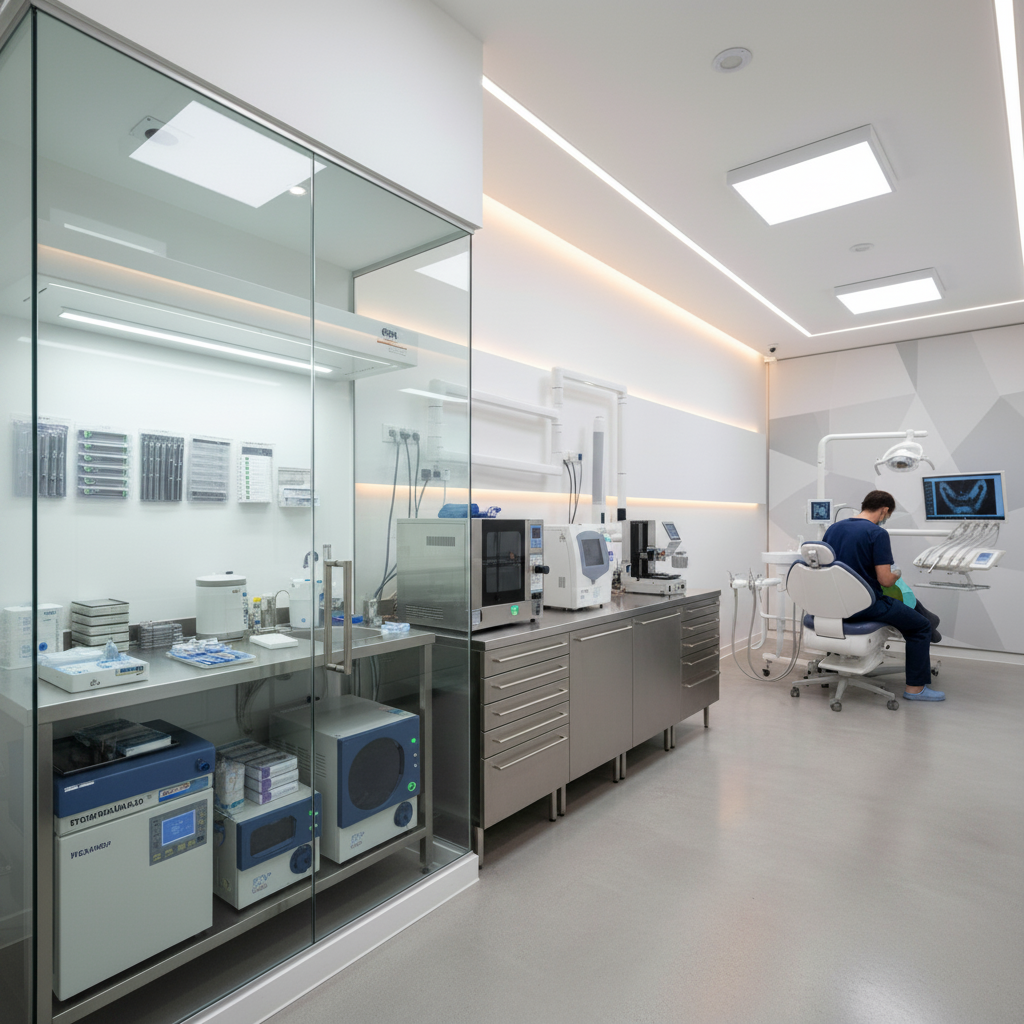
Dental clinics are complex medical facilities that require substantial investment to operate safely and effectively. Rent for practice space, particularly in urban centres, can be exorbitant. Beyond that, there are significant overheads associated with utilities, specialized insurance, and strict regulatory compliance. Maintaining a sterile environment is paramount in dentistry, necessitating state-of-the-art sterilisation equipment and processes, which incur ongoing costs for maintenance and consumables. Furthermore, administrative staff, receptionists, and dental assistants are essential to the smooth running of a practice, and their salaries contribute to the overall operational budget. These foundational costs are inherent to providing a safe, clean, and professional environment for patient care.
Advanced Technology and Materials
Modern dentistry relies heavily on sophisticated technology and high-quality materials to deliver precise, effective, and long-lasting results. Digital X-rays, intraoral cameras, CAD/CAM (Computer-Aided Design/Computer-Aided Manufacturing) systems for same-day crowns, and laser dentistry equipment represent significant capital investments. These technologies enhance diagnostic accuracy, improve treatment efficiency, and often lead to better patient outcomes and comfort. The materials used in restorations, such as high-grade composites, porcelain, ceramics, and titanium for dental implants, are also costly to source. These materials are chosen for their durability, biocompatibility, and aesthetic qualities, ensuring that treatments are not only functional but also natural-looking and long-lasting. The continuous evolution of dental science means that clinics must regularly upgrade their equipment and stock new materials to offer the best possible care, a cost that is naturally factored into treatment pricing.
The Expertise of Dental Professionals
Becoming a dentist in New Zealand requires years of rigorous academic and practical training, culminating in significant student debt. Beyond initial qualification, dentists, hygienists, and dental specialists are required to participate in ongoing professional development to stay abreast of the latest techniques, research, and technologies. This commitment to lifelong learning ensures that patients receive care based on current best practices. The specialized skills involved in performing intricate procedures—from precise cavity preparation to complex root canals and surgical implant placements—are honed over years of experience. When you pay for dental treatment, you are not just paying for materials or chair time; you are paying for the extensive education, experience, and artistic skill of highly trained medical professionals dedicated to your oral health.
Why Is Dental Treatment So Expensive: A Look at Specific Procedures
The cost can also vary dramatically depending on the specific procedure required, reflecting the differing levels of complexity, time, and materials involved.
Preventative Care vs. Complex Restorations
A simple check-up, cleaning, and fluoride treatment are generally the least expensive dental services. These preventative measures are designed to maintain oral health and catch potential issues early, before they escalate. In contrast, complex restorative procedures carry a much higher price tag. A filling for a small cavity will be less expensive than a root canal, which involves treating infection inside the tooth, often followed by a dental crown to protect the weakened tooth. Dental bridges and full dental implants, which replace missing teeth, involve multiple appointments, specialized surgical techniques, and costly lab-fabricated prosthetics. The time commitment for the dentist and their team, the use of anaesthetics, and the highly detailed craftsmanship required all contribute to these higher costs. Addressing issues like gum disease, which might require deep cleaning or periodontal surgery, also adds to the expense due to the specialized nature of the treatment.
The Role of Dental Insurance and Government Subsidies
Unlike some other developed nations, New Zealand’s public health system offers limited subsidies for adult dental care. Most dental treatment for adults falls under private care, meaning individuals are largely responsible for the full cost. While there are some exceptions for emergency care or specific medical conditions, comprehensive dental insurance is not as common or as robust as medical insurance, and many policies have annual limits or high deductibles. This lack of universal coverage means that the financial burden often falls directly on the patient. For children and adolescents up to 18 years old, basic dental care is publicly funded, which significantly reduces the financial strain on families during these formative years. However, once individuals transition into adulthood, they typically face the full commercial rates for their dental needs. This structural difference in healthcare funding significantly impacts the perceived and actual cost of adult dental treatment in New Zealand.
Comparing Dental Costs: New Zealand vs. International Options
When considering dental expenses, some New Zealanders look to international markets, often referred to as dental tourism, for potentially more affordable treatment options. While countries like Turkey are popular destinations for dental tourists due to lower labour and operational costs, it’s essential to understand the full picture.
The Value Proposition of Quality Dental Care
Choosing a local dental provider in New Zealand offers several undeniable advantages. Firstly, there’s the convenience of accessibility for follow-up appointments and emergencies. Building a long-term relationship with a local dentist fosters continuity of care, as they will have a comprehensive understanding of your oral health history. Furthermore, New Zealand dentists are subject to stringent regulatory standards and ethical guidelines, ensuring a high level of patient safety and professional accountability. The quality of materials, the standards of sterilisation, and the expertise of practitioners are typically very high, offering peace of mind. While the upfront cost might be higher, investing in quality dental care locally often translates to long-term health benefits, fewer complications, and a robust support system should issues arise. Understanding the regulatory framework and professional standards for dentistry in New Zealand can provide a clearer perspective on the value you receive for your investment. Learn more about Dentistry in New Zealand on Wikipedia.
Strategies for Managing Dental Expenses
Despite the costs, maintaining good oral health is vital for overall well-being. There are proactive steps individuals can take to manage dental expenses and ensure they receive the care they need.
Prioritizing Preventative Measures
The most effective strategy for reducing long-term dental costs is diligent preventative care. Regular dental check-ups and professional cleanings, typically every six to twelve months, are crucial. These appointments allow dentists to identify and address minor issues like small cavities or early signs of gum disease before they become painful, complex, and expensive problems. Maintaining excellent oral hygiene at home – brushing twice daily with fluoride toothpaste, flossing regularly, and using mouthwash – also plays a significant role in preventing the need for costly restorative work. Investing a small amount in preventative care can save thousands of dollars and prevent discomfort in the future. Early intervention is always more cost-effective than crisis management in dentistry.
Exploring Payment Plans and Financing
Many dental practices in New Zealand understand the financial strain that dental treatment can impose and offer various payment options. These can include interest-free payment plans, allowing patients to spread the cost of treatment over several months. Some clinics also work with third-party finance providers that offer healthcare-specific loans with flexible repayment terms. It’s always advisable to discuss payment options with your dental clinic’s administrative staff before commencing treatment. They can often provide a detailed breakdown of costs and help you explore the most suitable financial arrangements for your situation. Additionally, budgeting for potential dental expenses as part of your overall healthcare plan can help mitigate the surprise factor when treatment is needed.
The Long-Term Benefits of Investing in Oral Health
While the initial outlay for dental treatment can seem substantial, it’s crucial to view it as an investment in your overall health and quality of life. Poor oral health is linked to a range of systemic health issues, including heart disease, diabetes complications, and respiratory infections. By addressing dental problems promptly, you are not only preserving your teeth and gums but also contributing to your general well-being. A healthy mouth allows for proper nutrition, clear speech, and a confident smile, all of which significantly impact self-esteem and social interactions. The discomfort and functional limitations caused by neglected dental issues can severely diminish one’s quality of life. Therefore, considering the long-term advantages of maintaining optimal oral health, the cost of dental treatment, though high, represents an investment that pays dividends in terms of health, comfort, and confidence for years to come.