Dental Bridge Cost NZ Explained
Dental Bridge Cost NZ Explained: Restoring Your Smile with Confidence
Losing a tooth can significantly impact your oral health, aesthetics, and overall quality of life. Whether due to injury, decay, or gum disease, a gap in your smile can lead to shifting teeth, difficulty eating, and even changes in facial structure. Fortunately, modern dentistry offers effective solutions to replace missing teeth, with dental bridges being a long-standing and reliable option. For many New Zealanders, understanding the cost implications is a crucial first step in making an informed decision about their dental care. This comprehensive guide will delve into the various aspects that determine the total investment in a dental bridge in New Zealand, offering insights to help you navigate your treatment options.
Understanding Dental Bridges: A Comprehensive Overview
A dental bridge literally “bridges” the gap created by one or more missing teeth. It is a prosthetic device permanently cemented to existing teeth or implants, providing a stable and natural-looking replacement. Unlike removable partial dentures, a dental bridge offers a fixed solution that restores function and aesthetics, allowing you to chew, speak, and smile with renewed confidence.
What Exactly Is a Dental Bridge?
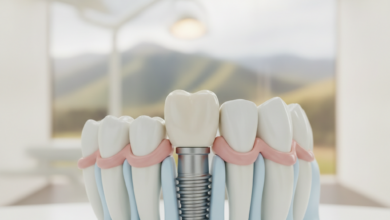
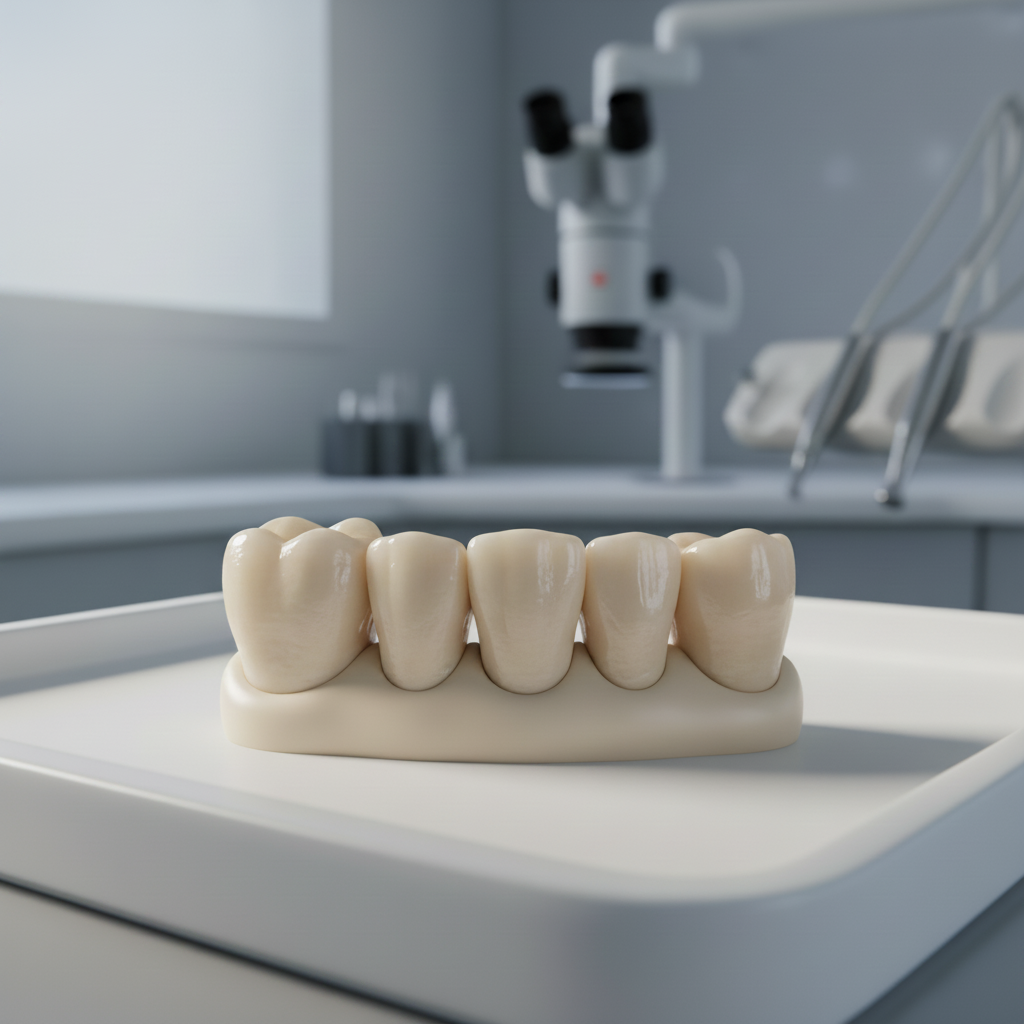
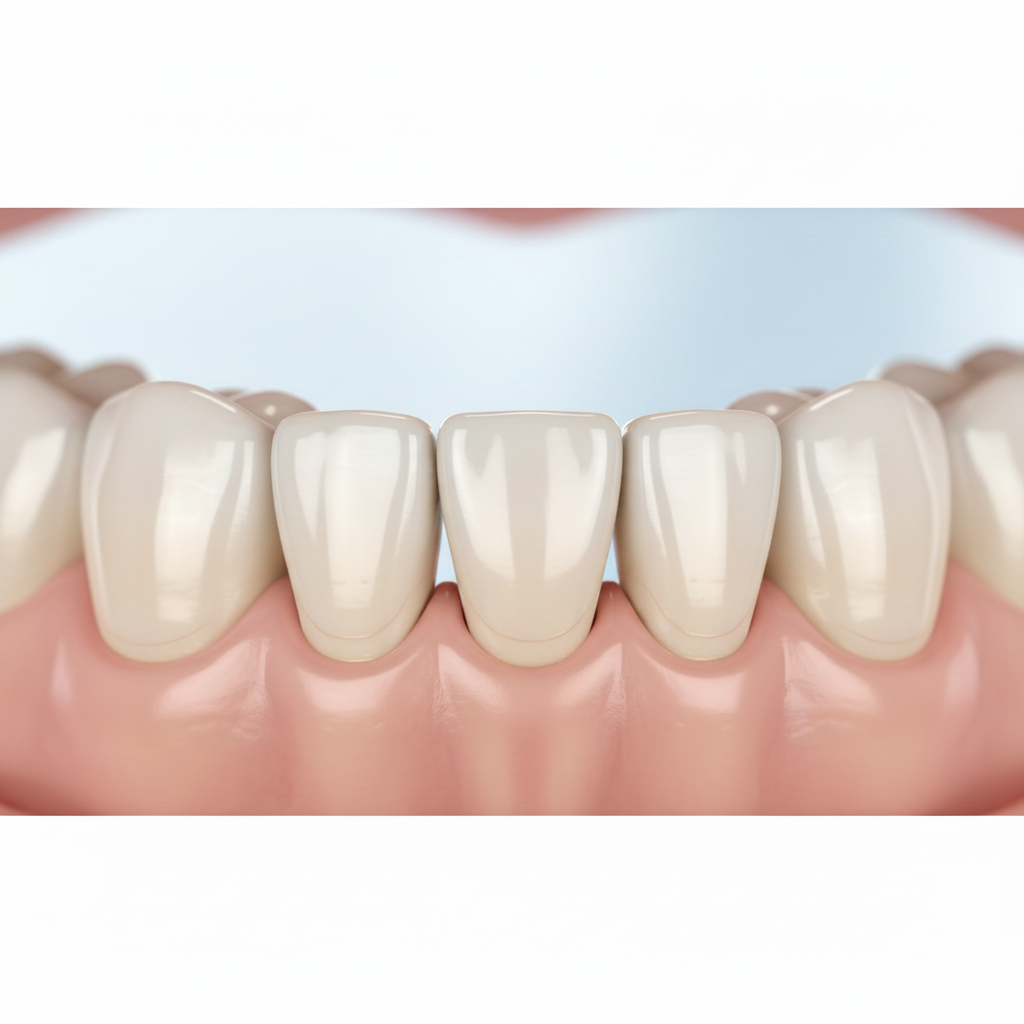
A dental bridge typically consists of one or more artificial teeth, known as pontics, which are held in place by dental crowns cemented onto the natural teeth adjacent to the gap. These adjacent teeth, called abutment teeth, are carefully prepared to support the crowns, forming a secure anchor for the pontic. Bridges are custom-made to match the color, size, and shape of your existing teeth, ensuring a seamless integration into your smile. They are designed to withstand the forces of chewing and speaking, providing a durable and long-lasting solution for tooth replacement.
Different Types of Dental Bridges and Materials
The type of dental bridge recommended will depend on several factors, including the number of missing teeth, the condition of the adjacent teeth, and your budget. The materials used also play a significant role in both aesthetics and cost.
- Traditional Bridges: These are the most common type, consisting of one or more pontics held in place by crowns cemented onto the abutment teeth on either side of the gap. They are highly durable and offer excellent stability.
- Cantilever Bridges: Used when there are only abutment teeth on one side of the missing tooth or teeth. While less common today due to potential for leverage issues, they can be an option in specific cases.
- Maryland Bonded Bridges (Resin-Bonded Bridges): These bridges use a metal or porcelain framework with “wings” that are bonded to the back surface of the adjacent teeth, rather than requiring full crowns. They are more conservative as they require less preparation of the abutment teeth but are generally less strong than traditional bridges.
- Implant-Supported Bridges: When more than one tooth is missing, and the adjacent teeth are not strong enough to support a traditional bridge, or if you prefer not to alter healthy abutment teeth, dental implants can be used as anchors. Two implants are surgically placed, and the bridge is then securely attached to them. This option offers superior stability and longevity.
Materials commonly used for bridges include:
- Porcelain Fused to Metal (PFM): Offers a good balance of strength and aesthetics. The metal substructure provides durability, while the porcelain exterior mimics natural tooth appearance.
- Full Porcelain/Ceramic: Provides the most natural look, especially for front teeth, as it allows light to pass through similar to natural tooth enamel. However, it can be less durable than PFM or zirconia for posterior teeth.
- Zirconia: A highly durable ceramic material that offers excellent strength and a natural, translucent appearance. Zirconia bridges are becoming increasingly popular due to their superior aesthetics and biocompatibility.
- Gold Alloys: While less aesthetic, gold bridges are exceptionally strong and wear-resistant, often used for back teeth where biting forces are higher.
Factors Influencing Dental Bridge Cost NZ
The cost of a dental bridge in New Zealand can vary significantly based on numerous factors. It’s not a one-size-fits-all expense, and understanding the variables can help you budget effectively for your treatment.
Here’s a breakdown of the primary factors that influence dental bridge cost in NZ:
| Factor | Description | Impact on Cost |
|---|---|---|
| Type of Bridge | Traditional, Cantilever, Maryland, Implant-Supported. | Implant-supported bridges are generally the most expensive due to additional surgery and materials. Maryland bridges are often less costly upfront. |
| Material Used | Porcelain-fused-to-metal (PFM), full ceramic, zirconia, gold alloys. | Zirconia and full ceramic are typically more expensive than PFM or gold due to superior aesthetics and strength. |
| Number of Pontics/Units | A bridge replaces one or more missing teeth. Each pontic (artificial tooth) and each crown on an abutment tooth counts as a “unit.” | More missing teeth (and thus more units in the bridge) directly increases the overall cost. A 3-unit bridge (one pontic, two crowns) is a common starting point. |
| Preparation of Abutment Teeth | If the supporting teeth require significant work (e.g., fillings, root canals) before crowns can be placed. | Extensive preparatory work will add to the total treatment cost. |
| Location of the Clinic | Dental practices in major cities or affluent areas may have higher overheads, leading to higher fees. | Costs can vary geographically within NZ. |
| Dentist’s Experience | Highly experienced or specialist dentists may charge more for their expertise. | Specialist care generally comes with a premium. |
| Additional Procedures | Gum disease treatment, extractions, bone grafting (for implant-supported bridges), temporary bridges. | Any prerequisite or complementary treatment will increase the final bill. |
Procedure Complexity and Location
The complexity of your specific case, including the health of your remaining teeth and gums, plays a significant role. If preliminary treatments like gum therapy or extractions are needed, these will add to the cost and treatment time. Furthermore, the geographic location of the dental practice within New Zealand can influence pricing. Clinics in major metropolitan areas often have higher operating costs, which can be reflected in their service fees. It’s advisable to obtain a detailed quote from your chosen dental professional that outlines all anticipated costs, including laboratory fees, materials, and consultation charges.
The Dental Bridge Procedure: What to Expect
Getting a dental bridge typically involves multiple appointments to ensure proper fit, function, and aesthetics. Understanding the process can help alleviate any anxieties you may have.
From Consultation to Final Placement
The journey begins with an initial consultation where your dentist will conduct a thorough examination of your oral health, including X-rays, to determine if a dental bridge is the right solution for you. They will assess the health of your gums and potential abutment teeth. Once a bridge is deemed appropriate, the treatment plan will be discussed, including the type of bridge, materials, and estimated costs.
During the first active appointment, the abutment teeth will be prepared. This involves carefully re-shaping them to make room for the crowns that will hold the bridge. Impressions of your teeth are then taken and sent to a dental laboratory, where your custom bridge will be fabricated. A temporary bridge may be placed to protect your prepared teeth and maintain aesthetics while your permanent bridge is being made.
At the second appointment, approximately one to three weeks later, the temporary bridge is removed, and your custom-made permanent bridge is carefully fitted. Your dentist will check its fit, bite, and appearance, making any necessary adjustments to ensure comfort and proper occlusion. Once you and your dentist are satisfied, the bridge will be permanently cemented into place.
Benefits, Alternatives, and Long-Term Care
Choosing a dental bridge offers numerous advantages, but it’s also important to be aware of potential alternatives and how to care for your new restoration.
Advantages and Potential Downsides
Benefits of Dental Bridges:
- Restored Aesthetics: Bridges effectively fill gaps, enhancing the appearance of your smile and boosting self-confidence.
- Improved Function: They restore the ability to chew and speak properly, distributing biting forces evenly.
- Prevention of Tooth Shifting: By filling the gap, bridges prevent adjacent teeth from drifting out of position, which can lead to bite problems and further dental issues.
- Durability: With proper care, dental bridges can last 10-15 years or even longer.
- Fixed Solution: Unlike removable dentures, bridges are permanently cemented, offering a stable and hassle-free experience.
Potential Downsides:
- Abutment Tooth Preparation: Traditional bridges require the reduction of healthy tooth structure on adjacent teeth to accommodate crowns.
- Maintenance: Requires diligent oral hygiene, including flossing under the pontic, to prevent decay and gum disease.
- Cost: Can be a significant investment, especially for complex cases or high-quality materials.
- Bone Loss: Unlike dental implants, bridges do not stimulate the jawbone beneath the missing tooth, which can lead to bone atrophy over time.
Alternatives to Dental Bridges:
The most common alternative to a dental bridge is a dental implant. Implants involve surgically placing a titanium post into the jawbone, which then fuses with the bone, acting as an artificial tooth root. A crown is then placed on top of the implant. Implants are often considered the gold standard for tooth replacement due to their ability to prevent bone loss, their superior longevity, and the fact that they do not require altering adjacent healthy teeth. However, they typically involve a higher upfront cost and a longer treatment timeline. Dentures (partial or full) are another, more affordable, but removable, alternative.
Maintaining Your Dental Bridge for Longevity
To ensure your dental bridge lasts as long as possible, meticulous oral hygiene is paramount. This includes brushing twice a day, flossing daily, and using a bridge threader or interdental brush to clean under the pontic, where food particles and plaque can accumulate. Regular dental check-ups and professional cleanings are also essential to monitor the health of your bridge and surrounding teeth and gums. Avoiding hard or sticky foods can also help prevent damage to the bridge.
Exploring Dental Tourism for Cost-Effectiveness
While dental bridge cost in NZ can be substantial, many New Zealanders explore options like dental tourism to achieve high-quality dental care at a more affordable price. Countries such as Turkey have become popular destinations for dental treatments, offering state-of-the-art facilities, experienced dental professionals, and significant cost savings compared to Western countries. While this involves travel, the potential savings, especially for complex or multiple procedures, can often outweigh the additional expenses. It’s crucial, however, to research clinics thoroughly, ensure clear communication, and understand all aspects of the treatment plan before committing to dental tourism.
Making an Informed Choice About Your Dental Health
Deciding on the best tooth replacement option is a personal journey that should be made in consultation with a trusted dental professional. Consider not only the immediate costs but also the long-term benefits, maintenance requirements, and potential impact on your oral health. A dental bridge can be an excellent investment in your smile, offering a durable, aesthetic, and functional solution for missing teeth. By understanding the factors influencing dental bridge cost in NZ and exploring all your options, you can make a confident decision towards restoring your smile and enhancing your quality of life. For more detailed scientific information on dental bridges, you may consult resources such as Wikipedia’s entry on Dental Bridges.