Root Canal Cost NZ – What to Expect

Root Canal Cost NZ – What to Expect
Dealing with tooth pain can be debilitating, and often, a root canal treatment is recommended to save an infected or severely decayed tooth. Understanding the financial implications of such a vital procedure is a primary concern for many individuals. In New Zealand, the cost of a root canal can vary significantly based on several factors, including the complexity of the case, the specific tooth involved, the dental professional performing the treatment, and any additional procedures required. This comprehensive guide aims to demystify the expenses associated with root canal therapy in New Zealand, providing a clear outlook on what patients can anticipate.
What Exactly is a Root Canal Treatment?
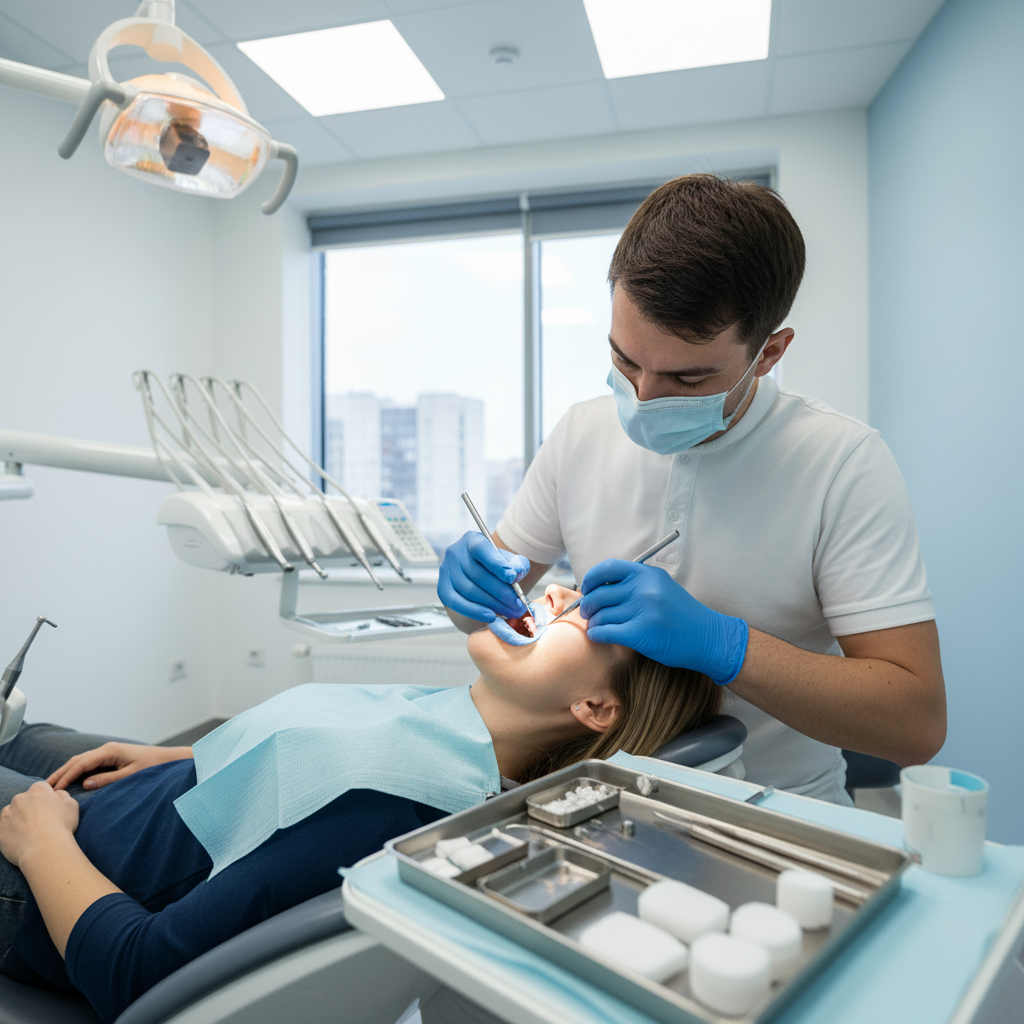
Before delving into costs, it’s essential to understand what a root canal procedure entails. A root canal, also known as endodontic treatment, is a dental procedure designed to remove bacteria and infected or damaged tissue (pulp) from inside a tooth. The pulp, located at the center of the tooth, contains nerves, blood vessels, and connective tissue. When this pulp becomes inflamed or infected due to deep decay, repeated dental procedures, faulty crowns, or a crack/chip in the tooth, it can cause severe pain and lead to an abscess if left untreated.
During the procedure, the dentist or endodontist cleans, shapes, and disinfects the root canals, then fills them with a rubber-like material called gutta-percha. Finally, the tooth is sealed with a temporary filling, and often, a permanent crown is placed to protect the tooth from future damage and restore its full function. The goal is to save the natural tooth, prevent further infection, and alleviate pain.
Why Root Canal Treatment is Necessary
Ignoring an infected tooth is not an option, as the infection can spread to other parts of the mouth and body, leading to more serious health issues. Symptoms indicating a potential need for a root canal include:
* Severe pain when chewing or biting
* Pimples on the gums
* Sensitivity to hot or cold that lingers
* Swollen or tender gums
* Darkening of the tooth
* Persistent toothache
A root canal allows you to preserve your natural tooth, which maintains the integrity of your bite, prevents shifting of adjacent teeth, and avoids the need for more complex and expensive tooth replacement options like dental implants or bridges down the line.
Factors Influencing Root Canal Cost NZ
The price tag for a root canal in New Zealand is not a one-size-fits-all figure. Several variables play a crucial role in determining the final expense. Being aware of these factors can help patients better understand their treatment plan and associated costs.
* Tooth Location: Front teeth (incisors and canines) typically have one root canal, making them less complex and generally less expensive to treat. Premolars usually have one or two canals, while molars (back teeth) can have three or more, often with complex anatomy, which increases the time and skill required, thereby raising the cost.
* Complexity of the Case: Severely curved or calcified canals, re-treatment of a previously failed root canal, or the presence of significant infection can add to the procedure’s complexity and duration, impacting the overall fee.
* General Dentist vs. Endodontist: A general dentist can perform many root canal treatments. However, complex cases, re-treatments, or those involving molars might be referred to an endodontist – a dental specialist focused exclusively on root canal therapy. Specialists often charge higher fees due to their advanced training, experience, and specialized equipment.
* Additional Procedures: A root canal procedure itself is only part of the solution. After the canals are cleaned and filled, the tooth needs to be restored. This often involves a core build-up to strengthen the tooth structure, followed by a permanent dental crown. The cost of these restorative procedures is separate from the root canal fee and is a significant component of the total cost.
* Diagnostic X-rays and Consultations: Initial consultations, X-rays, and potentially 3D scans are necessary for accurate diagnosis and treatment planning. These are usually charged separately.
* Location of the Clinic: Dental practices in major cities or affluent areas might have higher overheads, which can translate to slightly higher treatment costs compared to rural or smaller urban areas.
Typical Cost Breakdown for Root Canal Treatment in NZ
To provide a clearer picture, here’s an estimated breakdown of potential costs. Please note these are ranges and actual prices will vary by clinic and individual case.
| Procedure Component | Estimated Cost Range (NZD) | Notes |
|---|---|---|
| Initial Consultation & X-rays | $80 – $250 | Required for diagnosis and treatment planning. |
| Root Canal Treatment (Front Tooth) | $700 – $1,200 | Simpler, often single-rooted teeth. |
| Root Canal Treatment (Premolar) | $900 – $1,500 | Moderate complexity, one or two roots. |
| Root Canal Treatment (Molar) | $1,200 – $2,500+ | Most complex, multiple roots, often requires specialist. |
| Re-treatment of Root Canal | $1,500 – $3,000+ | Higher cost due to removal of previous filling material. |
| Core Build-up (Post-Root Canal) | $200 – $400 | Necessary to prepare the tooth for a crown. |
| Permanent Dental Crown | $1,200 – $2,500+ | Essential for long-term protection and strength of the treated tooth. |
| Emergency Fee (if applicable) | $100 – $300 | For after-hours or urgent appointments. |
As seen from the table, a complete root canal treatment on a molar, including the final crown, could easily range from $2,400 to $5,000 or more. It is crucial to get a detailed quote from your dental professional that includes all stages of treatment.
The Root Canal Procedure: A Step-by-Step Guide
Understanding the process can help alleviate anxiety and clarify why the procedure takes the time and expertise it does.
1. Diagnosis and X-rays: The dentist examines the tooth and takes X-rays to determine the extent of the damage and confirm the need for a root canal.
2. Anesthesia: Local anesthesia is administered to numb the affected tooth and surrounding area, ensuring a pain-free experience during the procedure.
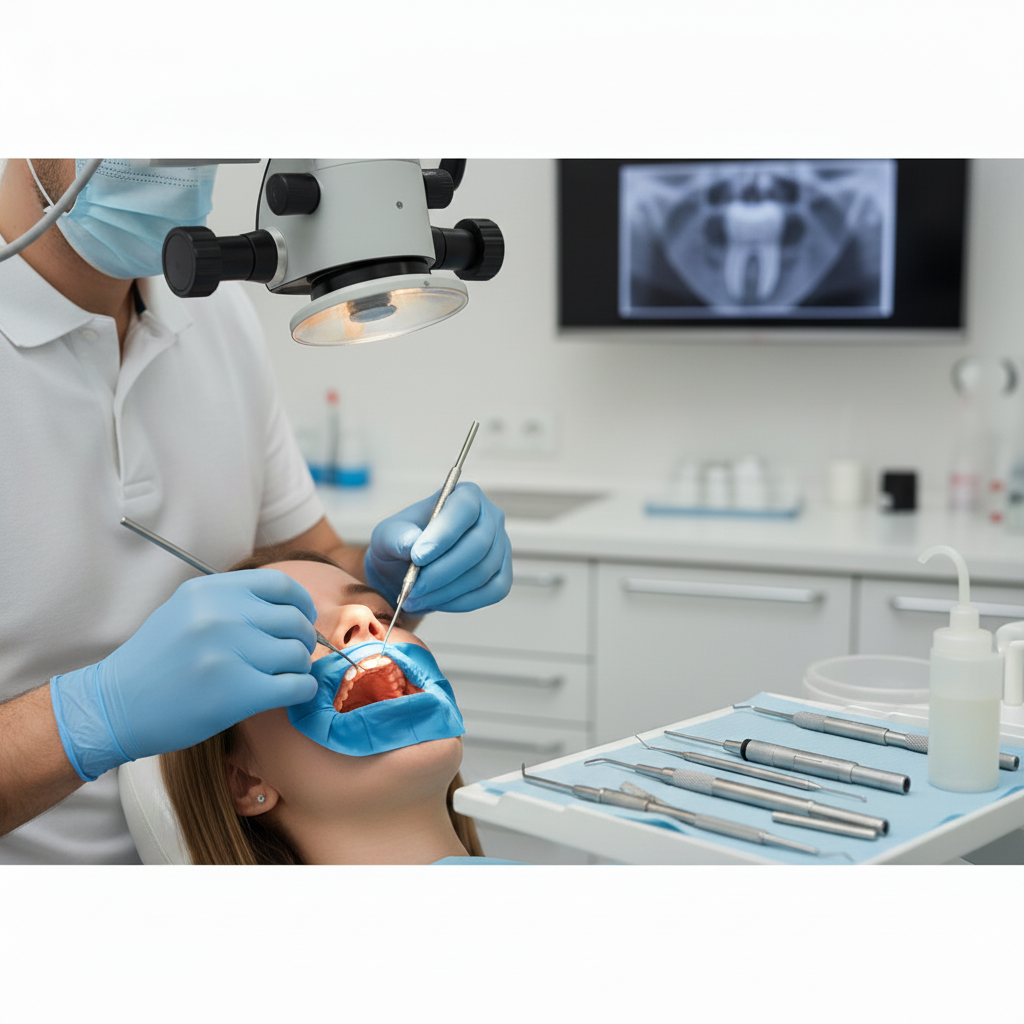
3. Dental Dam Placement: A small sheet of rubber, called a dental dam, is placed around the tooth to isolate it and keep it clean and dry during the treatment. This prevents saliva and bacteria from entering the tooth.
4. Access Opening: A small opening is made through the crown of the tooth to access the pulp chamber and root canals.
5. Cleaning and Shaping: Tiny instruments are used to remove the infected pulp and nerve tissue from the canals. The canals are then meticulously cleaned and shaped, preparing them for filling. Irrigation solutions are used to disinfect the area thoroughly.
6. Filling the Canals: Once cleaned and shaped, the canals are filled with a biocompatible, rubber-like material called gutta-percha, usually sealed with an adhesive cement.
7. Temporary Filling: A temporary filling is placed in the access opening to seal the tooth until a permanent restoration (usually a crown) can be fitted.
8. Permanent Restoration: In most cases, a dental crown is placed over the treated tooth to protect it from fracture and restore its original strength and appearance. This usually happens in a subsequent appointment after the tooth has settled.
Why the Investment is Worth It
While the cost of a root canal might seem substantial, it’s often a more cost-effective solution in the long run compared to tooth extraction and replacement. Extracting a tooth often leads to a cascade of problems, including shifting adjacent teeth, bone loss in the jaw, and changes in facial structure. Replacing a missing tooth with a dental implant, bridge, or partial denture involves its own significant costs, which can often exceed that of a root canal. Moreover, saving your natural tooth means preserving your chewing efficiency and overall oral health. Root canal treatment boasts a high success rate, often allowing the treated tooth to last a lifetime with proper care.
Financing Options and Insurance in New Zealand
In New Zealand, the public health system provides limited dental care for adults, primarily covering emergency treatments and extractions, not routine or specialist procedures like root canals. Most dental treatments for adults are privately funded.
* Dental Insurance: Some private health insurance plans offer partial coverage for dental treatments, but this varies widely. It’s crucial to check your policy details regarding coverage for major restorative procedures.
* Payment Plans: Many dental clinics offer in-house payment plans or work with third-party financing providers, allowing patients to spread the cost of treatment over several months.
* Work and Income NZ: For individuals on low incomes or specific benefits, Work and Income New Zealand (WINZ) may provide emergency dental grants or special needs grants for essential dental care. Eligibility criteria apply.
Always discuss payment options with your dental clinic’s administrative staff, as they can often provide information on available financing solutions.
Choosing Your Dental Provider
When considering a root canal, selecting an experienced and reputable dental professional is paramount. Look for a dentist or endodontist with a strong track record, positive patient reviews, and transparent pricing. Don’t hesitate to ask questions about the procedure, potential costs, and post-treatment care. Ensuring you feel comfortable and confident with your chosen provider is an important part of a successful treatment outcome. Addressing an infected tooth promptly is critical for both your oral and overall health, and understanding the costs involved is the first step towards getting the necessary care.