How to Pick a Dentist in Turkey from NZ
Edited and fact-checked by our editorial team.

How to Pick a Dentist in Turkey from NZ, a journey that an increasing number of New Zealanders are undertaking for transformative dental care. The concept of flying halfway across the world for a dental procedure might seem daunting initially, but the combination of quality, advanced technology, and significant cost savings has made Turkey a popular destination for dental tourism. This comprehensive guide will walk you through every step of the process, so you know what to check before choosing a clinic.
The Global Appeal of Dental Care in Turkey
Turkey has invested in health tourism, and many clinics in Istanbul and other cities treat international patients. For patients from countries like New Zealand, where the cost of complex dental work can be prohibitively high, Turkey is one alternative, but quality varies between clinics. Prices are often lower, but the actual difference depends on the procedure and clinic, and flights and accommodation need to be included in any comparison. This financial accessibility allows patients to opt for comprehensive treatments, such as full mouth dental implants or cosmetic smile makeovers, that might be out of reach back home. Many clinics in Istanbul and other cities offer packages that bundle treatment, hotel stays and airport transfers.
Key Criteria for Selecting a suitable Dentist in Turkey
Choosing a dental clinic from afar requires careful due diligence. Your decision should be based on a collection of verifiable factors that point towards quality, safety, and reliability. Rushing this process is not advisable; instead, take a methodical approach to vet your options and ensure you are placing your trust in the hands of true professionals.
Qualifications and International Accreditations
The foundation of any great dental practice is the expertise of its dentists and surgeons. When researching a potential Dentist in Turkey, look for detailed biographies of the dental team on their website. Verify their credentials, including the university where they earned their dental degree (DDS or DMD) and any specialist qualifications in fields like prosthodontics, oral surgery, or periodontics. Membership in reputable national and international dental organisations, such as the Turkish Dental Association (TDA) or the International Congress of Oral Implantologists (ICOI), is a strong indicator of a commitment to ongoing education and high ethical standards. Clinics that hold international accreditations, like ISO certification for quality management, demonstrate a dedication to meeting global healthcare benchmarks.
Advanced Technology and High-Quality Materials
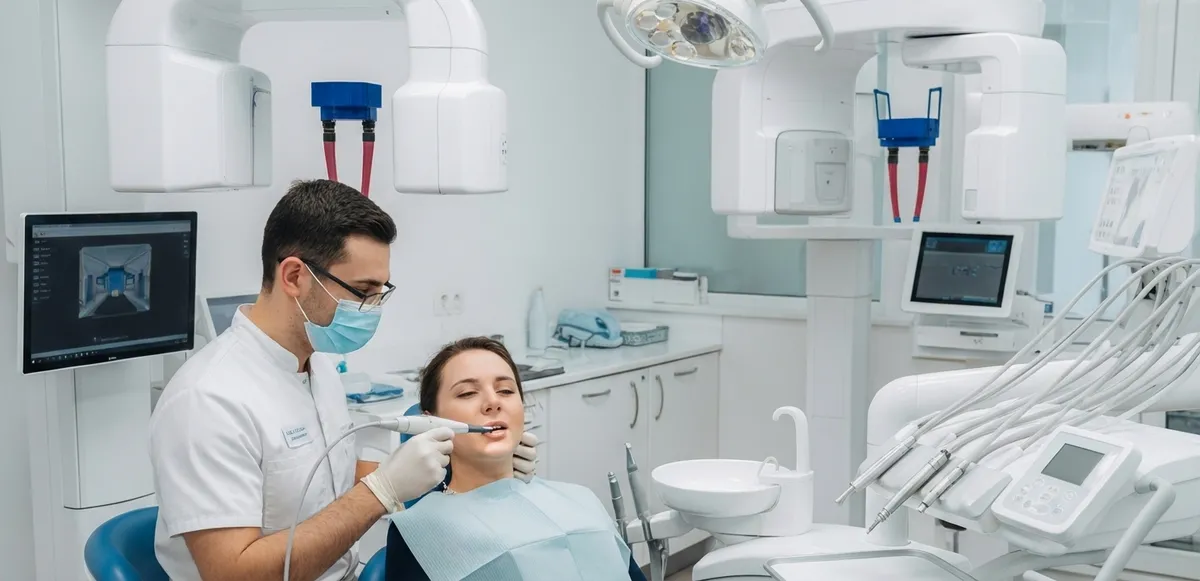
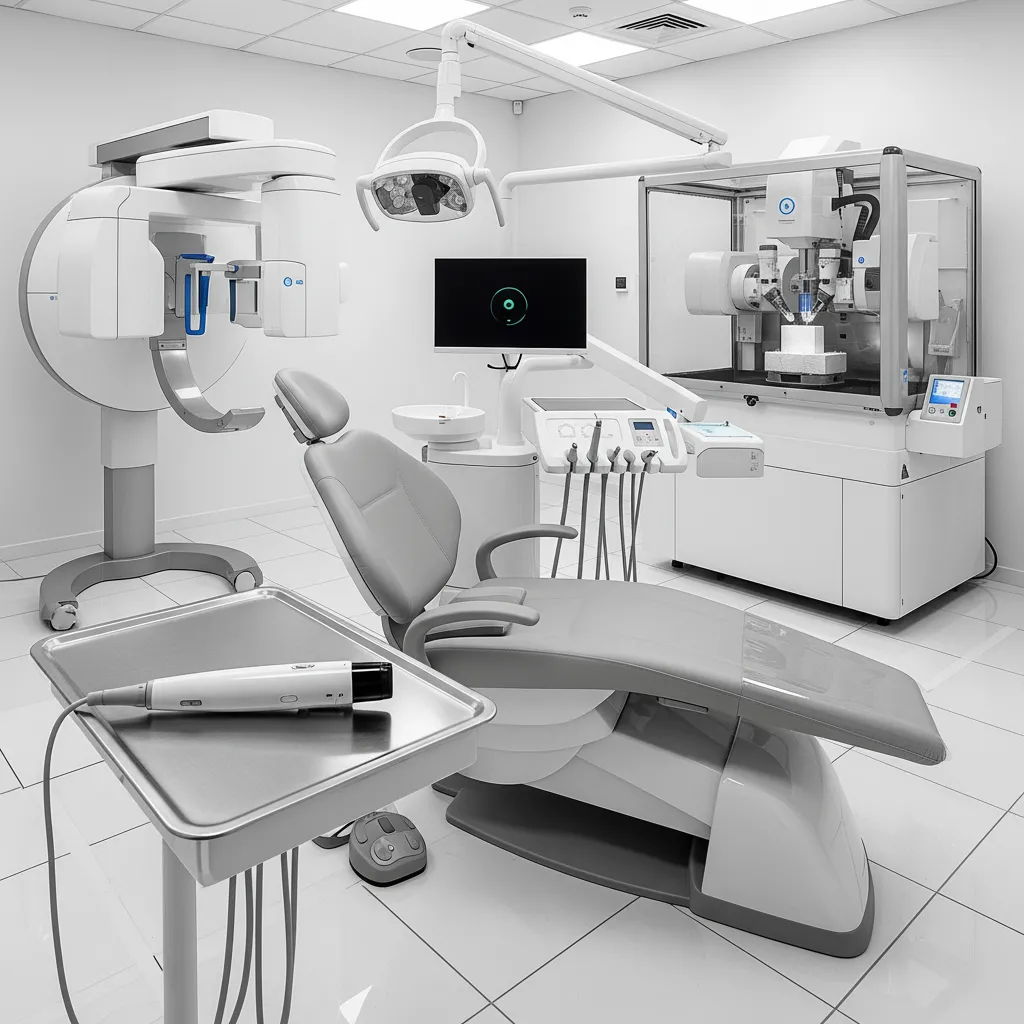
Ask which diagnostic and treatment tools will be used in your case. These may include Cone Beam Computed Tomography (CBCT) for precise 3D imaging, CAD/CAM systems for in-house milling of crowns and veneers, digital intraoral scanners for comfortable and accurate impressions, and soft tissue lasers for minimally invasive procedures. Equally important are the materials used. For dental implants, inquire about the brands the clinic uses. Globally recognised and scientifically backed brands like Straumann, Nobel Biocare, or Megagen offer long-term reliability and have more long-term published data. For crowns and veneers, ask if they use high-grade materials like E-max porcelain or Zirconia, known for their durability and natural appearance.
Reviews and Before-and-After Photos
If you do read reviews, treat them as anecdotes rather than evidence; the section on reading reviews below explains why. Testimonials and selected before-and-after photos are not reliable evidence of the result you will get; check the dentist’s registration and ask for a written, itemised treatment plan instead.
| Criterion | What to Look For | Why It Matters |
|---|---|---|
| Dentist Credentials | University degrees, specialist qualifications (e.g., Oral Surgery, Prosthodontics), and memberships in international dental associations. | Ensures the dental team has the necessary training and expertise to perform complex procedures safely and effectively. |
| Clinic Technology | 3D CBCT scanning, CAD/CAM systems, digital scanners, and soft tissue lasers. | Supports accurate diagnosis and treatment planning. |
| Material Quality | Use of globally recognised implant brands (e.g., Straumann, Nobel Biocare) and high-grade ceramics (e.g., E-max, Zirconia). | The longevity, biocompatibility, and aesthetic outcome of your dental work depend directly on the quality of the materials used. |
| Price Transparency | A detailed, all-inclusive quote with no hidden fees. The treatment plan should clearly outline every procedure and its cost. | Prevents unexpected expenses and demonstrates the clinic’s commitment to honest and ethical business practices. |
| Communication | Fluent English-speaking patient coordinators and dentists. Prompt, clear responses to your inquiries. | Clear communication is essential for understanding your treatment plan, expressing your goals, and feeling comfortable throughout the process. |
Navigating Your Dental Journey from NZ to Turkey
Once you have shortlisted a few reputable clinics, the process of becoming a patient begins. A well-organised clinic will make this journey straightforward and reassuring for international visitors.
The first step is typically an online consultation. You will be asked to provide recent dental X-rays (like an OPG) and high-quality photos of your teeth and smile. This information allows the dental team to conduct a preliminary assessment of your oral health and understand your aesthetic goals. Based on this, they will prepare a detailed, personalised treatment plan and a comprehensive price quote. This document should clearly list each recommended procedure, the materials to be used, the number of visits required, and the timeline for the entire process. This is your opportunity to ask questions and clarify any doubts before making a commitment.
After you approve the treatment plan, you will coordinate with the clinic’s patient representative to schedule your appointments. They can often provide assistance with recommending flights and will typically arrange for your accommodation and all ground transportation, including airport pickups and transfers between your hotel and the clinic. This makes the trip easier to organise, but keep your own copies of the treatment plan and terms.
What to compare between clinics
Lists of “top clinics” are usually marketing rather than independent assessments, so compare clinics on things you can check. Ask each one for the same information: the dentist’s full name and qualifications, who will place the implants and who will fit the final teeth, the implant brand and system, whether a CBCT scan is included, how many trips are planned, and the written warranty and refund terms. Clinics that answer clearly and in writing are easier to compare. Be wary of pressure to pay a deposit quickly or to accept extra treatment on the day. Our implants in Turkey planning guide includes a checklist of what a quote should itemise.
Reading reviews and safety claims with care
Online reviews and before-and-after photos are easy to select, edit or fake, and they rarely tell you how treatment holds up after several years. Use them only as a starting point. More reliable signs of a safe clinic are a licence from the Turkish Ministry of Health, dentists who belong to the Turkish Dental Association, a proper examination with a 3D scan before surgery, documented sterilisation procedures, a written consent process that explains risks and alternatives, and an implant passport listing the brand and size of each implant. Titanium remains the most widely used implant material; zirconia implants exist but have less long-term evidence, so ask why a particular material is being recommended for you.
Ensuring a Safe and Successful Outcome
The success of your dental treatment in Turkey hinges on thorough research and choosing a clinic that prioritises patient safety and quality above all else. Ask how instruments are sterilised and whether this is documented. The phenomenon of dental tourism has grown precisely because top destinations have proven they can deliver exceptional results safely and affordably.
Your relationship with the clinic should not end when you fly back to New Zealand. Ask about their aftercare and follow-up policies. A good clinic will provide you with a comprehensive set of post-treatment care instructions, all necessary documentation for your records, and will be available for remote consultations should you have any questions or concerns after you return home. Thorough research is the cornerstone of a positive experience, and understanding what separates a well-run dental clinic in Turkey from the rest is crucial. By focusing on credentials, technology, written information, and transparent communication, you can make a decision you are comfortable with.
Frequently asked questions
How can I check that a dentist in Turkey is qualified?
Ask for the dentist's full name, dental degree, specialist training and membership of the Turkish Dental Association, and check that the clinic is licensed by the Turkish Ministry of Health. Ask who will do each stage of your treatment.
Are online reviews reliable?
Reviews and before-and-after photos can be selected or edited, and they rarely show long-term results. Treat them as anecdotes and rely more on written plans, credentials and clear answers to your questions.
What should I get in writing before treatment?
An itemised treatment plan with the implant brand and system, materials, number of trips, what is temporary and what is final, the warranty and refund terms, and the aftercare arrangements.
Sources
- Dental Council of New Zealand, Dental Council (practitioner registration and standards)
- Cleveland Clinic, Dental Implants
- American Dental Association, MouthHealthy, Implants