Full Mouth Dental Implants in Istanbul
Edited and fact-checked by our editorial team.

Full Mouth Dental Implants in Istanbul offer a life-changing solution for individuals suffering from extensive tooth loss, severe dental decay, or the discomfort of traditional dentures. This comprehensive dental restoration process not only rebuilds a complete smile but also restores full chewing function, confidence, and overall quality of life. Istanbul has emerged as a global centre for advanced dentistry, with many clinics that treat international patients. Treatment in Istanbul can work well for some patients, but results depend on the individual clinic, the treatment plan and how aftercare is arranged.
Why Consider Full Mouth Dental Implants in Istanbul?
People consider Istanbul for full mouth restoration for several reasons, mainly cost, and each one needs checking. Istanbul has many clinics that treat international patients, and quality varies between them, as it does anywhere.
Quality Checks and Advanced Technology
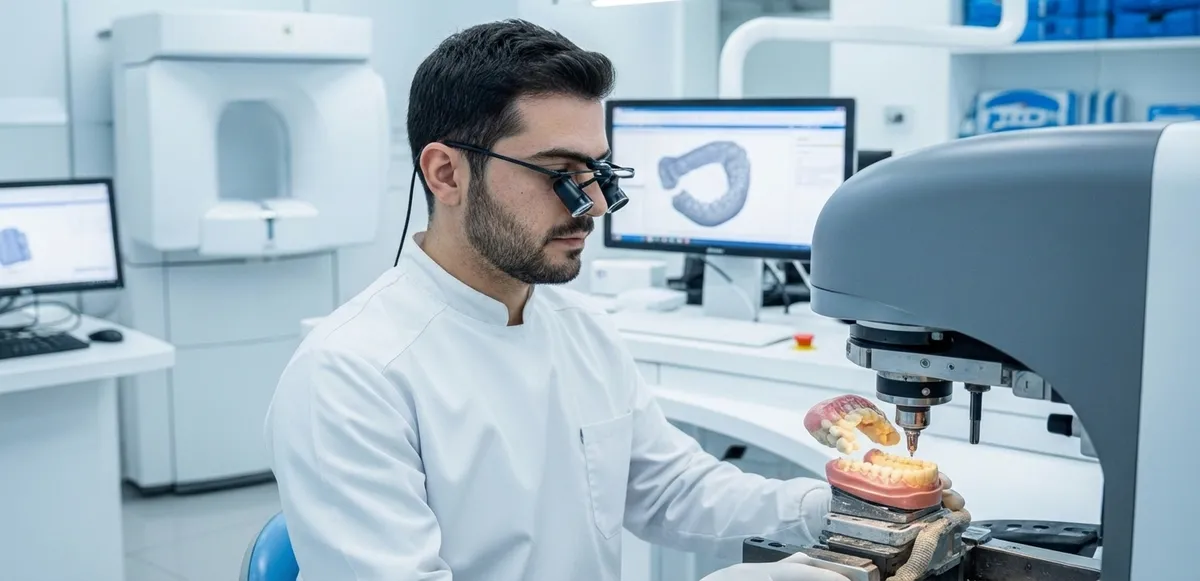
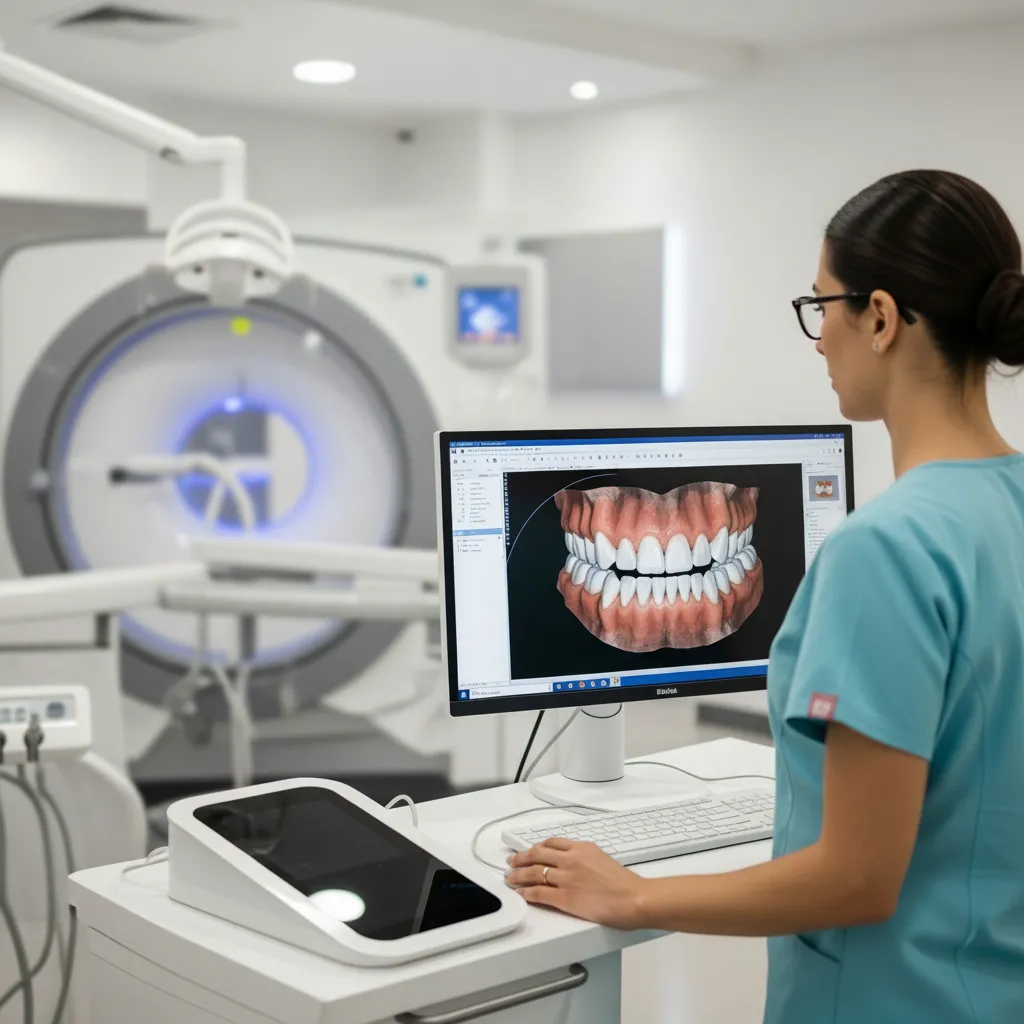
Clinics in Istanbul that treat international patients often use 3D CT scanners for precise diagnostics and treatment planning, CAD/CAM systems for in-house fabrication of highly accurate crowns and bridges, and surgical guides for minimally invasive implant placement. Ask about the treating dentist’s training, specialist status and experience with full-arch cases. Ask for the implant system, the prosthesis material and the dental laboratory in writing, together with the implant passport details.
Cost Differences and What They Depend On
The most significant draw for many is the cost-effectiveness of treatment. A full mouth restoration in countries like the UK, Australia, or the United States can be prohibitively expensive. In Istanbul the same procedure may cost less, but materials, implant systems and what is included differ between clinics. Lower fees mainly reflect different running and laboratory costs; they do not tell you whether a particular clinic is good. Patients can often pay less for dental implants in Turkey, which can make a complete smile more affordable, although the difference depends on the implant system and clinic. Include flights, accommodation, time off work and possible repeat trips when you compare quotes.
The Comprehensive Treatment Process
The journey to a new smile is a well-structured process designed for efficiency and patient comfort. It typically involves a few key stages, often managed over two separate visits to Istanbul.
- Initial Consultation and Planning: This crucial first step involves a thorough examination, including 3D CT scans. The dental team assesses the patient’s jawbone density, oral health, and aesthetic goals. A detailed, personalised treatment plan is then created, outlining the number of implants, the type of final prosthesis, the timeline, and a transparent cost breakdown.
- Surgical Phase (First Visit): During the first trip, any necessary extractions are performed, and the dental implants are surgically placed into the jawbone. This procedure is performed under local anaesthesia or sedation to manage discomfort. A temporary prosthesis is often fitted immediately, so most patients leave with temporary teeth. This visit typically lasts for about a week to allow for initial healing and post-operative checks.
- Healing and Osseointegration: Following surgery, a healing period of 3 to 6 months is required. During this time, the implants fuse with the jawbone in a process called osseointegration. This biological bond is what gives dental implants their strength and stability, mimicking the function of natural tooth roots. The scientific foundation for this process is well-established, creating a durable base for the final teeth.
- Final Restoration (Second Visit): Once osseointegration is complete, the patient returns to Istanbul. The temporary prosthesis is removed, and final abutments are attached to the implants. Impressions are taken, and the final, permanent bridge or set of crowns is meticulously crafted in the dental laboratory. After a few days of fittings and adjustments to check the bite and aesthetic, the new teeth are permanently secured, completing the transformation.
Comparing Full Mouth Implant Solutions
Not all full mouth implant solutions are the same. Depending on a patient’s bone structure, budget, and desired outcome, the dental surgeon will recommend the most suitable technique. The most common and effective methods are compared below.
| Feature | All-on-4 Implants | All-on-6 Implants | Traditional Full Arch (Implant-Supported Bridges) |
|---|---|---|---|
| Number of Implants | 4 implants per jaw (two straight, two angled) | 6 implants per jaw, strategically placed | 8-10 implants per jaw |
| Bone Grafting | Often avoids the need for bone grafting by using angled posterior implants. | May sometimes require minor bone grafting for optimal placement. | Frequently requires significant bone grafting if bone loss is present. |
| Surgical Complexity | Less invasive and a faster surgical procedure. | Moderately invasive, providing enhanced stability. | Most complex and invasive surgical process. |
| Prosthesis Type | A single, full-arch hybrid prosthesis (denture-bridge). | A single, full-arch hybrid prosthesis, often with more support. | Multiple smaller bridges attached to the implants, segmenting the arch. |
| Ideal Candidate | Patients with moderate bone loss seeking a streamlined, cost-effective solution. | Patients with adequate bone who desire maximum stability and bite force distribution. | Patients with extensive bone volume or who have undergone major bone grafting. |
Recovery and Long-Term Care
The recovery process after implant surgery is a critical phase. Patients are provided with detailed post-operative instructions, including dietary recommendations (soft foods initially), oral hygiene protocols, and any necessary medications to manage discomfort and prevent infection. While some swelling and minor bruising are normal, most patients report feeling comfortable within a few days and can resume normal, non-strenuous activities quickly. The long-term success of full mouth dental implants hinges on excellent oral hygiene. Just like natural teeth, they require regular brushing, flossing (using special tools like water flossers or implant floss), and routine professional cleanings. The core of their longevity is the process of osseointegration, where the titanium implant forms a direct, stable connection with the bone. With proper care, a full set of dental implants can last a lifetime, providing a permanent and reliable solution to tooth loss. This investment in your oral health is also an investment in your overall well-being, restoring your ability to eat, speak, and smile without hesitation.
Frequently asked questions
How long do I need to stay in Istanbul for full mouth implants?
The surgical visit often takes around a week, and the final teeth are usually fitted on a second trip several months later. Your surgeon will give you a timeline based on your bone and the technique used.
Is All-on-4 always possible?
No. All-on-4 depends on bone volume, bite forces and general health. Some people need more implants, bone grafting or a different approach, which a scan and examination will show.
Who looks after my implants when I am back in New Zealand?
You will need a local dentist for check-ups and cleaning. Ask the Istanbul clinic for full records, including the implant brand and parts, so a New Zealand dentist can maintain or repair the work.
What are the main risks?
Infection, implant failure, nerve injury, problems with the bridge and peri-implantitis over time. Smoking, uncontrolled diabetes and poor cleaning raise the risk wherever treatment takes place.
Sources
- Cleveland Clinic, Dental Implants
- American Dental Association, MouthHealthy, Implants
- Dental Council of New Zealand, Dental Council (practitioner registration and standards)